
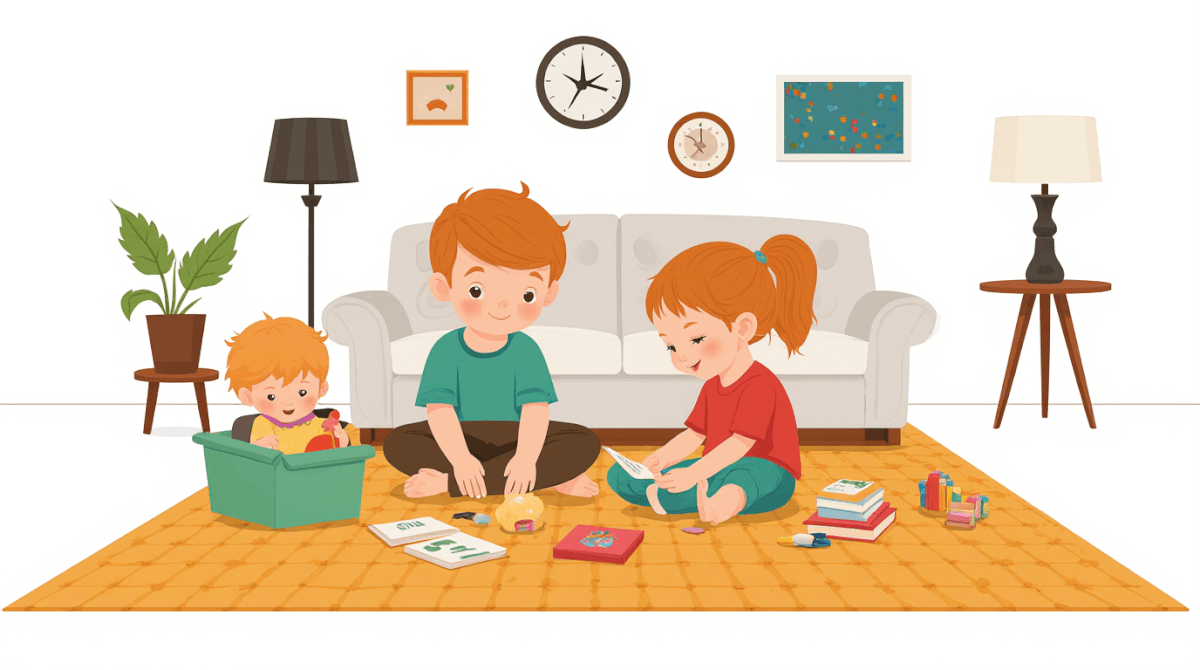
Children learn self-trust through a complex interplay of experiences that shape their perceptions of themselves and the world around them. Self-trust is not merely an innate quality but one that develops gradually as children navigate social, cultural, and relational contexts. This trust forms when they internalize positive experiences, leading to a sense of security and confidence in their abilities. One of the most critical mechanisms through which this occurs involves the formation of secure attachments between children and caregivers. As children experience stability and consistency from these relationships, they begin to develop self-trust, understanding that their needs will be met and that their actions can have predictable outcomes.
The foundation for building self-trust is established in infancy when a child’s first attachment figure—often a parent or primary caregiver—provides consistent care. When an infant cries, if the caregiver consistently responds promptly to their needs by feeding them, changing their diaper, and soothing them with words of comfort, the baby begins to associate these actions with safety and security. This initial experience sets the stage for future interactions, where the child learns that their actions can lead to positive outcomes. Over time, as this routine is reinforced through repeated experiences, children start to develop a sense of predictability and reliability in their environment.
As children grow older, they continue to build on these early foundations by engaging in various activities with parents or caregivers who model and reinforce self-trust. When a child attempts to stack blocks for the first time, if an adult stays close by but allows them to figure things out independently, the child begins to trust their own abilities. If the child successfully completes the task, this positive outcome strengthens their belief in themselves. If they fail and receive support rather than criticism, they are more likely to see failure as a learning experience and not a reflection of their self-worth.
Self-trust is nurtured through challenges that children face and overcome. When faced with difficulties, such as solving a puzzle or trying a new sport, the child’s capacity for resilience grows. If a child struggles with tying shoelaces but eventually figures it out with encouragement from an adult, they learn that effort leads to success. This repeated pattern of facing challenges and achieving goals fosters a sense of self-efficacy, which is closely tied to self-trust.
In social contexts, children also build their trust in themselves by observing the behavior of others. When peers demonstrate confidence and competence during play or group activities, it serves as a model for how they too can behave. If a child sees their friend confidently lead a game and succeed at various tasks, they may feel more inclined to try similar actions themselves. These observations contribute to self-trust by showing that trust in oneself is not just about individual achievement but also about recognizing one’s place within a supportive social network.
Cultural factors also play a significant role in shaping how children learn self-trust. In cultures where independence and personal responsibility are highly valued, children may be encouraged from an early age to make decisions and take risks under adult supervision. This approach helps them develop the confidence needed for self-trust. In environments that emphasize collective identity or safety above all else, children might receive more protection but less opportunity to test their own capabilities independently.
The role of language is also crucial in this process. Caregivers’ use of encouraging words and phrases can significantly impact a child’s development of self-trust. When parents frequently tell their child “You can do it” or “I believe in you,” they are reinforcing the idea that the child has inherent value and capabilities. This verbal support is essential because children often rely heavily on the opinions of trusted adults to form their self-perceptions.
It’s important to note that not all experiences contribute positively to self-trust development. Unpredictable or inconsistent environments can lead to feelings of insecurity and mistrust in oneself and others. If a child is exposed to sporadic neglect or erratic caregiving, they may develop a sense that their needs are unreliable, making it difficult for them to trust themselves or form stable relationships later in life.
The impact of technology on children’s self-trust development is an emerging area of interest. While digital devices offer numerous educational and social opportunities, excessive screen time can detract from face-to-face interactions essential for building secure attachments. Balanced use of technology that encourages exploration and problem-solving can foster self-trust by providing new ways to engage with the world.
As children grow older, their growing independence further refines their sense of self-trust. Adolescents who are given increasing responsibility and allowed to make choices within safe boundaries tend to develop a more robust belief in their own abilities. This process is crucial because it prepares them for adulthood where they must navigate complex social situations with confidence.
The development of self-trust through experience is a multifaceted process influenced by various aspects of children’s lives including early attachment experiences, cultural norms, and individual challenges. By understanding these factors, educators and caregivers can better support children in building their capacity for self-trust. Recognizing that this trust is not static but evolves with each new experience underscores the importance of creating environments that foster resilience, independence, and positive self-perception.
In recent years, researchers have noted a correlation between secure attachment styles and higher levels of self-esteem and well-being (Bowlby, 1988). Similarly, studies suggest that children who grow up in supportive environments are more likely to exhibit behaviors indicative of self-trust throughout their lives (Harris, 2009).
These findings highlight the critical role of early experiences in shaping a child’s approach to life and underscore the importance of providing consistent care, encouragement, and opportunities for growth. As society continues to evolve, it becomes increasingly important to ensure that all children have access to nurturing environments where they can develop not only their intellectual capabilities but also their emotional strength through the development of self-trust.
References:
Bowlby, J. (1988). Attachment and Loss: Vol. 3. Loss: Sadness and Depression. Basic Books.
Harris, J. R. (2009). The Nurture Assumption: Why Children Turn Out the Way They Do. Free Press.
Related Reading
– John Gottman — Raising an Emotionally Intelligent Child
– Alison Gopnik — The Philosophical Baby



