The formation of trust during early relationships is a crucial developmental process that lays the foundation for future interactions with others. It is not merely an individual characteristic but a dynamic interplay between the child and their environment. This essay will explore how the social, cultural, and relational contexts influence the development of trust in children, focusing on specific mechanisms such as attachment theory and caregiver behavior.
From birth, infants rely heavily on caregivers for physical and emotional needs. These initial interactions set the stage for trust formation. When a caregiver consistently responds to an infant’s cries or fussiness with warmth, care, and attention, the child begins to develop a sense of security. This consistent and nurturing environment allows the child to feel safe and understood, fostering the development of trust. On the contrary, if a caregiver is inconsistent or unresponsive, the child may become uncertain about whether their needs will be met, leading to feelings of insecurity and mistrust.
Attachment theory, proposed by British psychologist John Bowlby, explains this process in detail. According to his theory, there are four primary types of attachment: secure, avoidant, anxious-ambivalent, and disorganized. Securely attached children develop trust because their caregivers provide a consistent source of comfort and security. When a mother consistently holds her baby during feeding or soothes him with a gentle voice when he cries, the child learns to trust that his needs will be met. This consistency helps the child understand that others can be counted on, forming the basis for secure attachment.
Avoidant and anxious-ambivalent children may develop mistrust due to inconsistent caregiver behavior. An avoidant attachment occurs when a caregiver is dismissive or unresponsive to an infant’s needs. If a mother often leaves her baby alone or shows little affection, the child learns that help is not always forthcoming. This leads to behaviors where the child might avoid seeking assistance from others, as they have learned early on that their needs are unlikely to be met.
An anxious-ambivalent attachment develops when a caregiver is inconsistently present or responsive. If a parent sometimes responds promptly but other times delays in responding to an infant’s cries, the child learns to be uncertain about whether help will arrive. This inconsistency can create anxiety and make it difficult for the child to trust that others will provide the necessary support.
Disorganized attachment is another critical outcome of inconsistent caregiving. Children with disorganized attachments often exhibit confusion or unpredictability in their behavior because they receive mixed signals from their caregivers. A caregiver who seems both nurturing and frightening might cause the child to feel conflicted about whether to approach or avoid that person for help.
The cultural context also plays a significant role in shaping trust during early relationships. Different cultures have varying expectations regarding caregiving practices and social norms around emotional expression. In some cultures, showing emotions openly is encouraged, which can promote open communication and trust between caregivers and children. In more reserved cultures where public displays of emotion are discouraged, children might be less likely to express their needs freely or receive the same level of emotional support.
Social contexts further influence the development of trust by shaping a child’s interactions with peers and broader community members. Early experiences of cooperation, empathy, and sharing within social groups can reinforce the understanding that others have positive intentions towards them. If a child frequently plays cooperatively with other children and receives help from friends when needed, they are more likely to develop trust in their social environment.
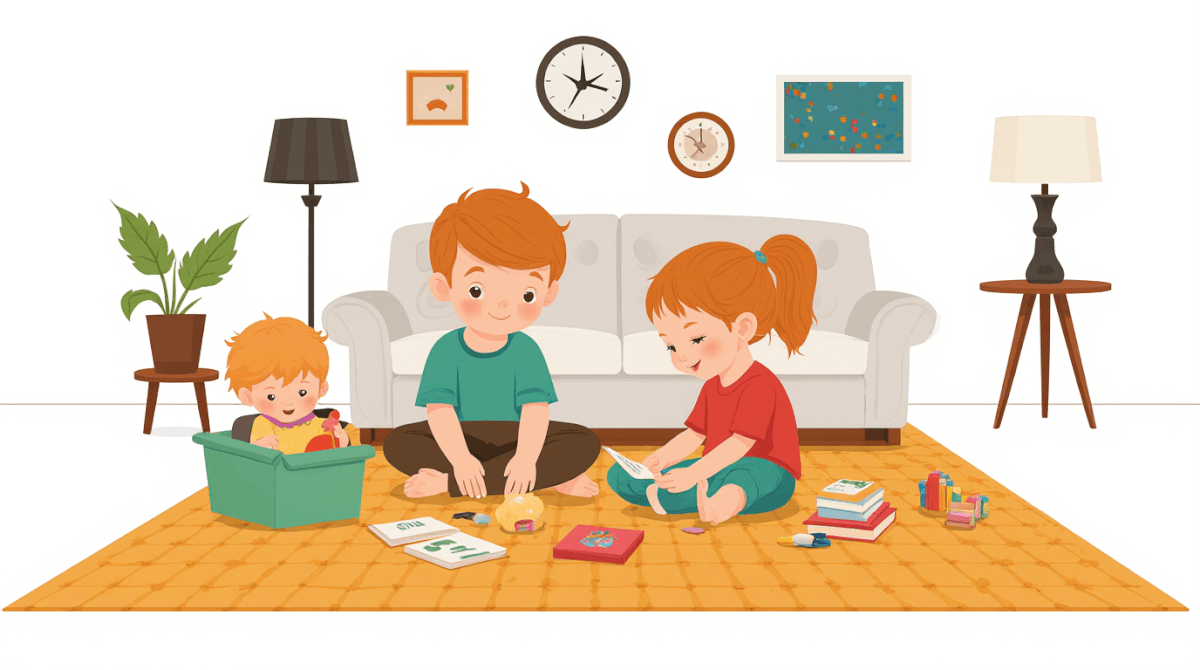
Relational contexts also play a critical role. The quality of relationships between siblings or extended family members can significantly impact how a child perceives the world around them. If an older sibling consistently supports a younger sibling during challenging situations, the younger sibling may learn to trust that others will be there for them in times of need.
The broader social context, including societal values and norms, can also influence trust development. In communities where cooperation and mutual support are highly valued, children might develop a stronger sense of trust in their ability to rely on others. In collectivist societies, where group harmony is emphasized over individualism, children may learn to value the importance of interdependence and trust among community members.
The formation of trust during early relationships is a complex process that involves multiple layers of social, cultural, and relational contexts. Secure attachment, influenced by consistent and nurturing caregiver behavior, forms the foundation for trust. Inconsistent or unresponsive caregiving can lead to avoidant, anxious-ambivalent, or disorganized attachments, resulting in mistrust. Cultural and social factors further shape a child’s understanding of others’ intentions and behaviors, reinforcing or challenging their capacity to trust.
Understanding these mechanisms is crucial for educators, caregivers, and policymakers who aim to support healthy development and promote positive relationships among children. By recognizing the critical role of consistent care, cultural values, and social contexts in shaping trust, we can better create environments that foster secure attachments and a strong foundation for future relationships.
References:
– Bowlby, J. (1969). Attachment and Loss: Vol. 1. Attachments. New York: Basic Books.
– Winnicott, D.W. (1958). The Capacity to Be Alone. International Journal of Psychoanalysis, 39(4), 310-312.