Emotional stability plays a crucial role in how children learn and develop. When children experience consistent emotional support from their environment, they are better equipped to handle the challenges of learning and growing up. This essay will explore the specific mechanism through which emotional stability influences development—namely, its impact on the child’s ability to regulate emotions and focus attention, thereby enhancing their cognitive processes.
From an early age, children begin to develop a sense of security based on the emotional climate they experience. When parents or caregivers consistently provide emotional support by being attentive, responsive, and comforting in times of need, children start to internalize these behaviors as healthy models for managing their own emotions. This process is often referred to as secure attachment, a psychological framework that suggests a strong bond between caregiver and child fosters emotional stability.
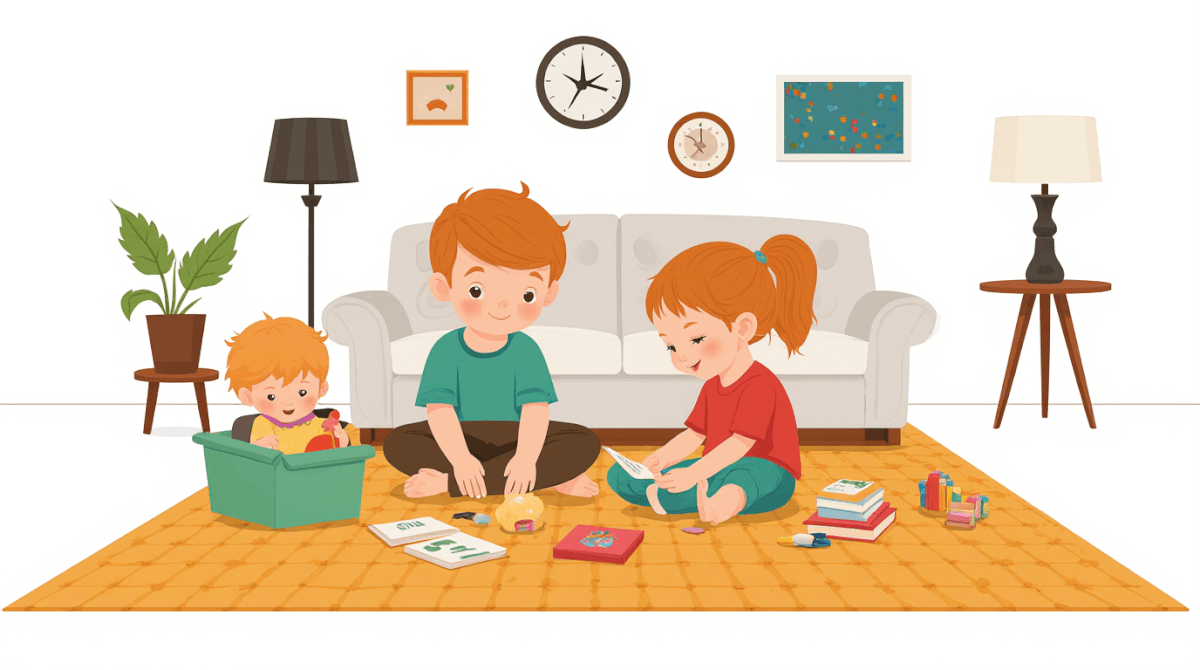
The ability to regulate emotions effectively is crucial for learning. When children can manage their feelings, they are better able to focus on tasks at hand. Imagine a young child who is upset because they dropped a cookie while playing with toys. If the caregiver promptly acknowledges the child’s frustration and helps them find ways to feel better (like picking up the cookie or offering an alternative snack), the child learns that emotions can be understood and managed without becoming overwhelming. Over time, this experience builds resilience in the child’s emotional regulation skills.
Emotionally stable environments also enhance cognitive development by promoting concentration and attention. Consider a scenario where a child is asked to solve a puzzle. If they are feeling emotionally secure due to their caregiver’s presence or supportive words, they are more likely to stay engaged with the task rather than getting distracted by external stimuli or emotional turmoil. Research indicates that children who grow up in stable environments tend to have better working memory and executive function—skills essential for learning.
Emotional stability influences how children interpret social interactions, which is a critical aspect of their development. When children feel emotionally supported, they are more likely to form positive relationships with peers and adults outside the home. These interactions can provide them with valuable experiences that foster empathy, cooperation, and conflict resolution skills—traits necessary for navigating complex social situations.
The mechanism through which emotional stability influences learning is not merely a passive process but an active one involving neural pathways in the brain. The amygdala, responsible for processing emotions, works closely with the prefrontal cortex, which governs decision-making and problem-solving. Emotional stability helps to modulate these areas of the brain, ensuring that emotional responses do not overwhelm cognitive functions needed for learning.
Emotionally stable environments encourage children to take academic risks without fear of failure. A child who feels safe can be more willing to ask questions or try new ways of solving problems in class. This openness to exploration and experimentation is vital for creative thinking and innovation—skills that are increasingly valued in today’s rapidly changing world.
A lack of emotional stability can have detrimental effects on learning. Without consistent support, children may struggle with self-regulation, leading to difficulty concentrating or managing stress during challenging tasks. They might also withdraw socially or become overly anxious, hindering their ability to form meaningful relationships and engage fully in classroom activities.
The impact of emotional stability is not limited to individual development but extends to broader social contexts as well. Children who learn effectively through emotionally stable environments are better prepared to contribute positively to society. Their enhanced cognitive skills, improved social abilities, and greater emotional intelligence enable them to succeed academically and professionally while also becoming responsible citizens.
The role of emotional stability in children’s learning is multifaceted and deeply interconnected with their overall development. By fostering secure attachment, promoting effective emotion regulation, enhancing concentration and attention, encouraging positive social interactions, and supporting cognitive growth, emotionally stable environments create an optimal setting for children to thrive academically and personally.
In a broader sense, it is important to recognize that emotional stability does not arise in isolation but is shaped by the larger social, cultural, and relational contexts within which families operate. Policies aimed at promoting emotional well-being among caregivers, investments in early childhood education programs that prioritize nurturing relationships, and community initiatives that support families are all essential for creating environments where children can flourish.
While this essay has focused on the role of caregivers and family dynamics, it is crucial to acknowledge that the broader society also plays a significant part. Schools, communities, and institutions have an obligation to provide supportive structures that reinforce emotional stability in children’s lives. By working together, we can ensure that every child has access to the nurturing environment necessary for successful learning and development.
Understanding the mechanisms through which emotional stability influences learning underscores the importance of investing in early childhood education and family support systems. These efforts not only benefit individual children but contribute to building a more resilient, compassionate, and intelligent society.