From infancy onwards, infants are highly dependent on adults for survival and safety. The physical actions of being held, fed, and protected provide a sense of security that underpins emotional well-being. The act of being guided extends beyond mere physical care; it includes the subtle yet profound role of verbal reassurance and non-verbal communication. When an infant cries and is promptly soothed by a caregiver, this interaction lays the foundation for trust—a fundamental aspect of emotional guidance.
The environment plays a critical role in shaping these early experiences. A nurturing environment where parents or caregivers are consistently present, attentive, and responsive to a child’s needs creates a secure base from which the child can explore the world. This security is built upon the repeated instances of guidance through reassurance—“It’s okay,” “Let me help you with that”—which reassure the child that they are valued and understood.
As children grow, their experiences continue to influence how they perceive authority figures and seek guidance. If a child frequently receives gentle yet firm direction in exploring new things (like holding hands when crossing the street), they learn to trust these instructions as beneficial rather than restrictive. This process is not just about following directions but also about internalizing the messages that come with those actions—messages like “it’s safe,” “you are capable,” and “I am here for you.”
The cultural context further shapes this mechanism of emotional guidance. In some cultures, there may be a stronger emphasis on collective over individual achievement, leading to a more communal approach to guiding children in their social interactions. In many collectivist societies, it is common for multiple adults to take turns guiding and teaching a child. This shared responsibility can reinforce the understanding that guidance comes from a variety of sources and is not solely the domain of one authority figure.
In individualistic cultures, the emphasis might be more on personal development and autonomy, with parents or guardians providing more direct and explicit guidance. Regardless of cultural differences, the core mechanism remains the same: emotional security and trust are fostered through consistent and caring guidance.
These early experiences of being guided influence not only immediate behaviors but also long-term psychological outcomes. Children who grow up receiving consistent emotional support from caregivers tend to develop higher levels of self-esteem, better interpersonal skills, and a more resilient approach to life’s challenges. The process of being guided is thus intertwined with the development of emotional intelligence—a key component in navigating social interactions effectively.
It is important to note that while these early experiences are critical, they do not determine a person’s entire future. Adults continue to seek out guidance throughout their lives, whether from friends, mentors, or even fictional characters. The foundational trust and security established during childhood provide the framework upon which lifelong learning and emotional growth can be built.
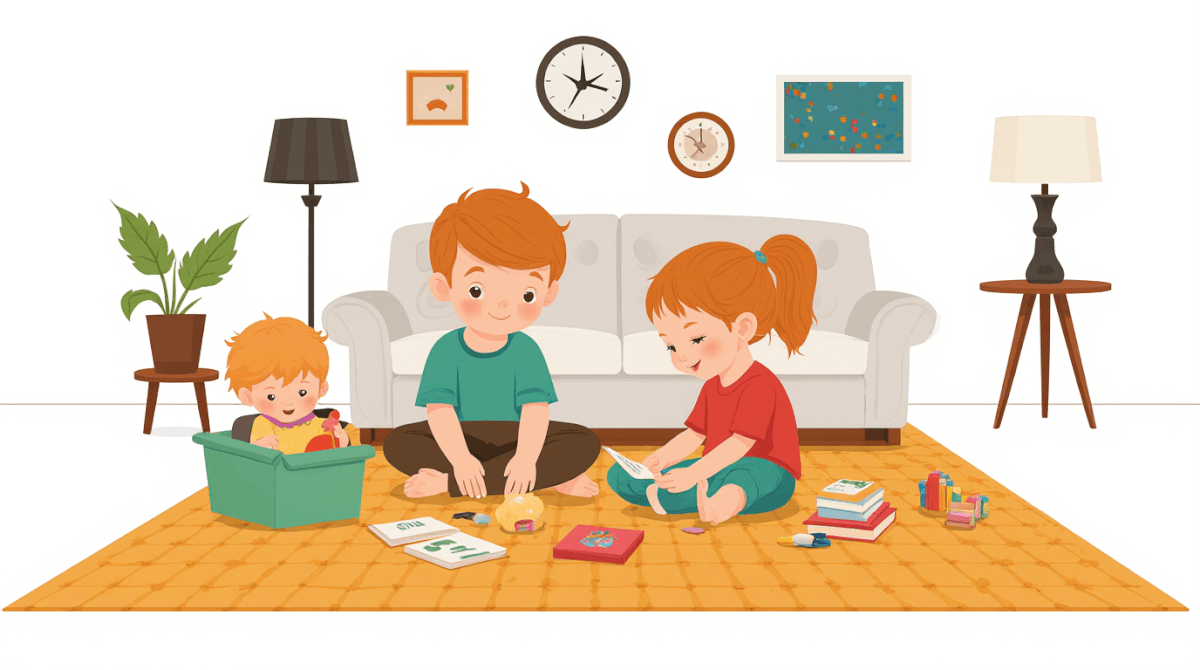
Consider a scenario where a young child is encouraged to explore different activities in a playful and supportive manner by caregivers who gently guide them through unfamiliar experiences. This early guidance might manifest as playing a musical instrument with reassurance that it’s okay to make mistakes or helping to build a simple puzzle together. These interactions not only provide immediate emotional comfort but also shape the child’s approach to new challenges, fostering a belief in their own ability to handle complexity.
If a child is frequently dismissed or belittled when seeking guidance, this can lead to feelings of inadequacy and a reluctance to seek help later in life. Such experiences can create barriers to emotional growth and social competence, impacting the individual’s capacity to form healthy relationships and make informed decisions.
The mechanism of being guided also extends to broader societal norms and expectations. Educational systems often rely on guidance from teachers and mentors who provide structured learning environments and personalized support. These institutions reinforce the importance of seeking guidance as a means of personal growth and academic achievement.
The emotional meaning of being guided is deeply embedded in our social and cultural contexts, shaping fundamental aspects of our emotional development. From infancy through adulthood, consistent and caring guidance fosters trust, self-esteem, and resilience—key components in navigating life’s complexities. While individual experiences may vary, the overarching principle remains: the act of being guided is a powerful mechanism that nurtures emotional well-being and social competence.
As society continues to evolve, the forms of guidance will inevitably change, but its essential role as a foundational element of emotional development will endure. By recognizing and valuing this process, we can better support individuals in their journeys toward emotional maturity and self-discovery.
Related Reading
– Martin Seligman — The Optimistic Child
– Michael Rutter — Resilience in Children