Stability influences long-term confidence by creating a predictable environment where consistent experiences foster the psychological growth of individuals over time. This essay will explore how stability shapes the development of trust and self-assurance through the lens of early childhood socialization processes. By examining the interplay between stable environments, supportive relationships, and cognitive frameworks, we can understand why consistent conditions are crucial for building enduring confidence.
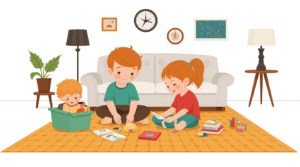
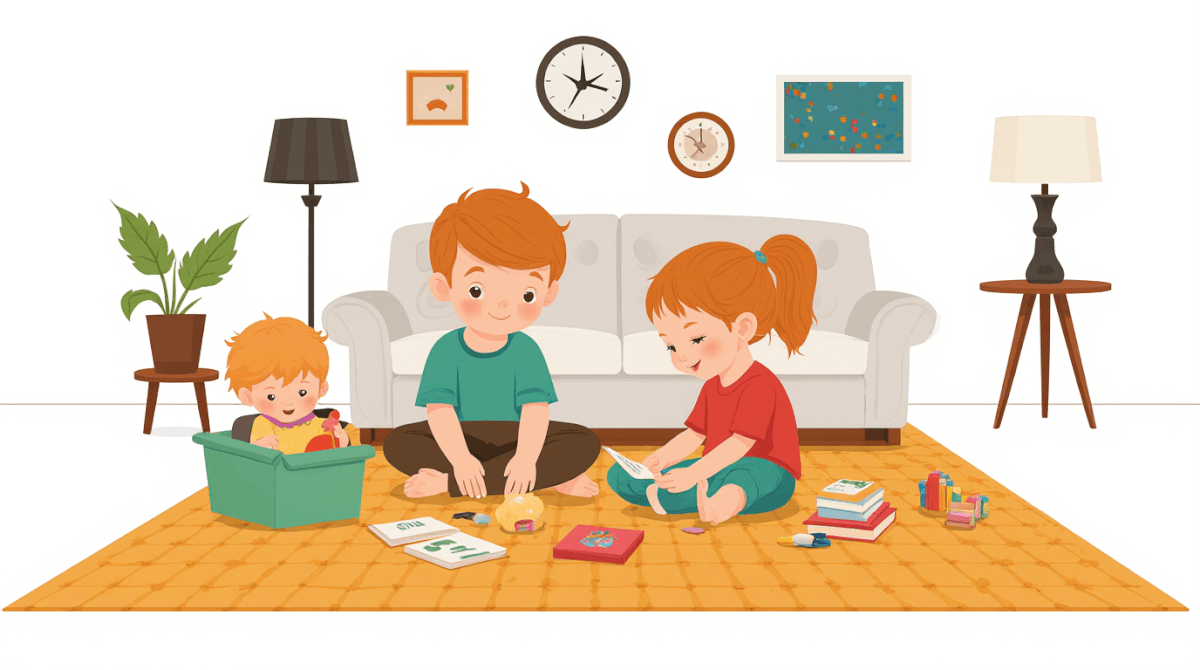
In a stable environment, children experience reliable routines and predictable interactions, which lay the groundwork for developing trust in their caregivers and later, in themselves. Imagine a family where daily rituals like bedtime stories or shared meals are consistently practiced. Such stability not only provides a sense of security but also reinforces the idea that order and consistency exist in life—key elements for building confidence.
The first step in this process is the establishment of secure attachment between children and caregivers. Secure attachments occur when caregivers respond reliably to children’s needs, providing emotional comfort and support. A child who experiences such stability learns to trust their environment and begins to develop a sense that others will be there for them when needed. This foundational trust extends beyond just family members; it permeates other social interactions as the child grows older.
As children grow, they internalize these early experiences, shaping how they perceive themselves in relation to the world around them. A stable environment allows children to explore their surroundings without constant fear of negative outcomes, fostering a sense of competence and autonomy. A child who knows that their parents will help them navigate new situations is more likely to be brave when trying something unfamiliar. Inconsistent or unpredictable environments can lead to heightened anxiety and insecurity as the child grapples with an unreliable world.
The cognitive framework through which children process these experiences further solidifies stability’s influence on long-term confidence. Cognitive behavioral theory suggests that our thoughts, feelings, and behaviors are interconnected. Positive reinforcement in stable settings helps develop a positive self-image, while negative or inconsistent experiences can lead to a more pessimistic outlook. Consider a scenario where a child faces the same challenge every day but always receives encouragement and support from parents. Over time, this child will likely develop a belief that they can handle similar challenges confidently because their past experiences have been consistently positive.
Stable environments allow for the development of coping mechanisms that become integral to an individual’s psychological toolkit. When faced with adversity or unexpected events, individuals who grew up in stable settings are more likely to draw upon established strategies honed through consistent positive reinforcement and support. A child who learns to handle minor setbacks without fear because they have reliable emotional support is better equipped to face larger challenges later in life.
It’s important to note that while stability significantly influences long-term confidence, it does not operate in isolation. Cultural and social contexts also play crucial roles. In some communities, collective support networks can compensate for individual family instability, providing additional layers of safety and security. The core principle remains: consistent experiences create a stable foundation upon which enduring confidence is built.
Unstable environments can hinder the development of long-term confidence. Frequent changes in routines or caregivers disrupt the predictability that children need to feel secure. This disruption can lead to heightened anxiety and insecurity, making it more difficult for individuals to develop trust both internally and externally. Imagine a child moving frequently between different homes, each with varying levels of emotional support. The unpredictability of these transitions can erode their sense of stability, making it harder for them to form trusting relationships or have confidence in their abilities.
The impact of early experiences on long-term outcomes underscores the importance of creating stable environments from an early age. While not all individuals experience stable conditions, understanding how such conditions foster psychological resilience provides valuable insights into promoting positive developmental trajectories. Policymakers and educators should consider these findings when designing programs that aim to support vulnerable populations or enhance community stability.
A stable environment significantly influences long-term confidence by providing a predictable context for early socialization processes. This stability fosters secure attachments, internalizes positive self-perceptions, and equips individuals with coping mechanisms necessary for navigating life’s challenges. While other factors such as cultural and social contexts also influence development, the role of consistency in building foundational trust cannot be understated. By recognizing this mechanism, we can work towards creating more stable environments that nurture confidence and resilience across generations.
References:
1. Bowlby, J. (1969). Attachment and Loss: Vol. 1. Attachment. Basic Books.
2. Bandura, A. (1977). Self-efficacy: Toward a unifying theory of behavioral change. Psychological Review, 84(2), 191-215.
Related Reading
– Daniel Kahneman — Thinking, Fast and Slow (developmental implications)
– Jonathan Haidt — The Coddling of the American Mind