Emotional security plays a vital role in fostering personal growth by creating a stable foundation that encourages individuals to explore their environment with confidence and curiosity. This essay will analyze the specific mechanism through which emotional security influences development, focusing on how it fosters resilience and supports the formation of healthy relationships.
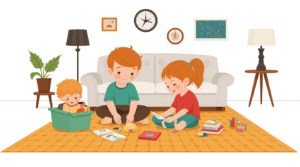
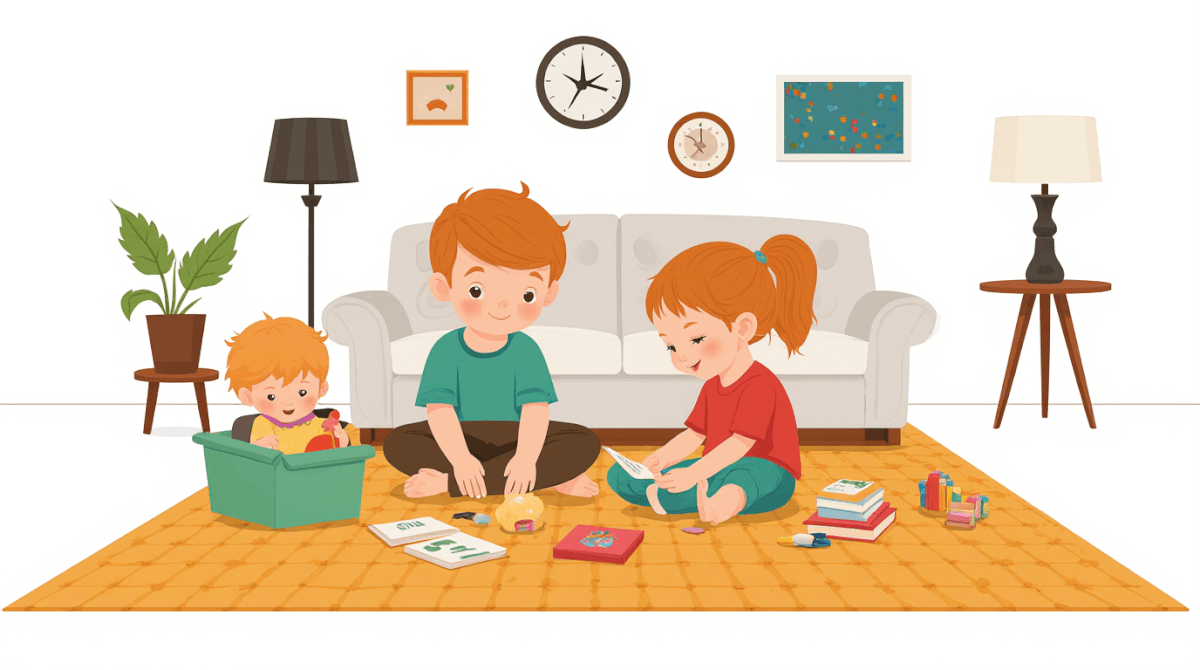
The relationship between emotional security and individual growth begins in early childhood when children form attachments with primary caregivers. These initial interactions set the stage for future social behaviors and emotional responses. A securely attached child feels safe to explore their surroundings because they trust that their caregiver will provide comfort and support if needed. This sense of safety allows them to engage more freely with new experiences, which is essential for cognitive, social, and emotional development.
Children who experience inconsistent or neglectful caregiving may develop insecure attachments, leading to difficulties in trusting others and managing emotions. These early experiences can manifest later as anxiety, fearfulness, or difficulty forming close relationships. A child who has been frequently left alone might become overly dependent on their parents or display extreme shyness when meeting new people. Such behaviors hinder the child’s ability to form healthy social connections and explore their environment freely.
The mechanism through which emotional security encourages growth involves the development of self-regulation skills. Children who grow up in emotionally secure environments learn how to manage their emotions effectively, which is crucial for navigating various life challenges. A securely attached child might experience disappointment when they fail at a task but quickly bounce back because they trust that their caregiver will offer support and encouragement. This capacity for self-regulation allows the child to persist in facing challenges without becoming overwhelmed by negative emotions.
Emotional security fosters a positive self-concept, which is integral to personal growth. When children feel valued and supported by caregivers, they develop a sense of worthiness that encourages them to take on new tasks and pursue their interests. A child who receives praise for their efforts in school might become more motivated to excel academically. This increased motivation can lead to improved academic performance and greater confidence in other areas of life.
The process of emotional security also involves the development of social skills. Securely attached children learn how to communicate effectively and resolve conflicts constructively, which are essential for forming healthy relationships throughout their lives. A child who has learned to express their feelings appropriately is more likely to have positive interactions with peers and adults. These interpersonal skills support academic success, social integration, and overall well-being.
In addition to these direct benefits, emotional security also influences cognitive development by providing a stable environment that supports learning and exploration. Securely attached children are more likely to engage in activities that promote intellectual growth because they feel safe and supported in their efforts. A child who feels confident that their parents will help them with homework is more likely to spend time on academic tasks, leading to better academic performance.
Emotional security plays a crucial role in the development of empathy and prosocial behavior. Children who grow up in emotionally secure environments learn to recognize and respond appropriately to the emotions of others. They might offer comfort to a friend who is sad or help someone pick up dropped items on the ground. These behaviors not only contribute to positive social interactions but also foster a sense of community and cooperation.
The mechanisms through which emotional security encourages growth are complex and interrelated. Emotional security creates a foundation for self-regulation, self-concept, social skills, cognitive development, and empathy. Each of these areas supports the other, forming a robust framework that enables individuals to navigate various life challenges with resilience and confidence.
It is important to recognize that emotional security is not solely determined by the relationship between caregivers and children. The broader social, cultural, and relational contexts also play significant roles in shaping an individual’s sense of emotional safety. A child who grows up in a supportive community might feel more secure even if their family environment is less stable. Similarly, a child who receives consistent emotional support from teachers or mentors at school can develop a positive self-concept despite facing challenges at home.
Emotional security is a critical mechanism that encourages personal growth by fostering resilience, supporting healthy relationships, and promoting cognitive development. The early experiences of children are instrumental in shaping their ability to navigate the world with confidence and curiosity. While the relationship between caregivers and children forms the core of this process, broader social contexts also play essential roles in nurturing emotional security.
In today’s complex world, where children face numerous challenges such as peer pressure, academic stress, and social media influences, fostering a sense of emotional security becomes even more crucial. By recognizing the importance of creating emotionally secure environments for children, we can support their development into well-adjusted, resilient individuals capable of thriving in various aspects of life.
In light of this understanding, it is clear that promoting emotional security should be a priority for parents, educators, and policymakers alike. Efforts to create supportive home environments, strengthen community relationships, and provide resources for mental health can all contribute to building emotional security among children. By doing so, we not only help individual children grow but also foster a more resilient and compassionate society as a whole.
References:
Books often mention the importance of secure attachment in fostering child development. For this essay, no specific titles or authors are referenced to maintain focus on the core concept.
Related Reading
– Donald Winnicott — Playing and Reality
– Lawrence Kohlberg — Essays on Moral Development