Emotional guidance plays a crucial role in shaping independence through the complex interplay of social, cultural, and relational factors that influence early development. Children’s ability to develop independent thinking and actions is profoundly influenced by how their emotional needs are met and understood by those around them, particularly caregivers and peers. This essay explores how emotional support and validation from significant others facilitate a child’s journey towards autonomy by fostering resilience, self-efficacy, and the capacity for self-regulation.
In the earliest years of life, children develop an understanding of themselves and their world through interactions with primary caregivers. These interactions lay the groundwork for emotional intelligence, which is essential for navigating social situations and making autonomous decisions later on. When a child receives consistent validation from a caregiver, such as being encouraged to explore new things without fear of failure, they are more likely to develop a sense of self-worth and confidence. If a child consistently experiences dismissive or overly controlling behaviors, this can lead to feelings of insecurity and dependence.
Consider the example of a toddler learning to walk. A caregiver who praises each step and remains patient while allowing the child to fall without immediate intervention is providing emotional guidance that encourages exploration and perseverance. This type of support builds the child’s belief in their abilities and teaches them how to handle setbacks, which are integral components of developing independence. Over time, these experiences shape a child’s resilience—allowing them to face challenges with determination rather than fear.
Emotional validation helps children develop self-efficacy—a strong belief in one’s capabilities. This is particularly evident when caregivers provide constructive feedback and encouragement during tasks that the child finds difficult. If a parent praises a child for attempting to solve a puzzle and offers assistance only when asked, they are reinforcing the idea that the child has the capacity to tackle problems independently. Such experiences contribute significantly to building a child’s self-confidence in their ability to make decisions and take actions on their own.
Self-regulation is another critical aspect of emotional guidance that impacts independence. This refers to an individual’s ability to manage their emotions, behaviors, and thoughts in various situations. Children who learn to regulate their emotions through positive interactions with adults are better equipped to handle stress and adapt to new environments independently. A caregiver who teaches a child simple breathing exercises when they feel anxious or angry helps them develop tools for managing strong emotions constructively.
The influence of emotional guidance extends beyond the immediate family and into broader social contexts. Peer relationships play a vital role in shaping independence as children grow older. Positive interactions with peers provide opportunities to practice social skills, negotiate conflicts, and make choices that align with their values. Joining a sports team or participating in school clubs can teach children how to communicate effectively, set goals, and work towards achieving them independently.
Cultural and societal norms also impact the way emotional guidance shapes independence. In cultures where individualism is highly valued, there may be greater emphasis on self-reliance from an early age, leading to earlier development of independent behaviors. In collectivist societies, dependence on group cohesion might delay the emergence of fully autonomous actions. Regardless of cultural context, the key factor remains the quality and nature of emotional support children receive.
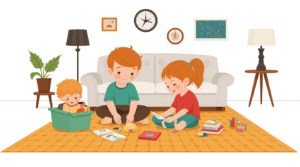
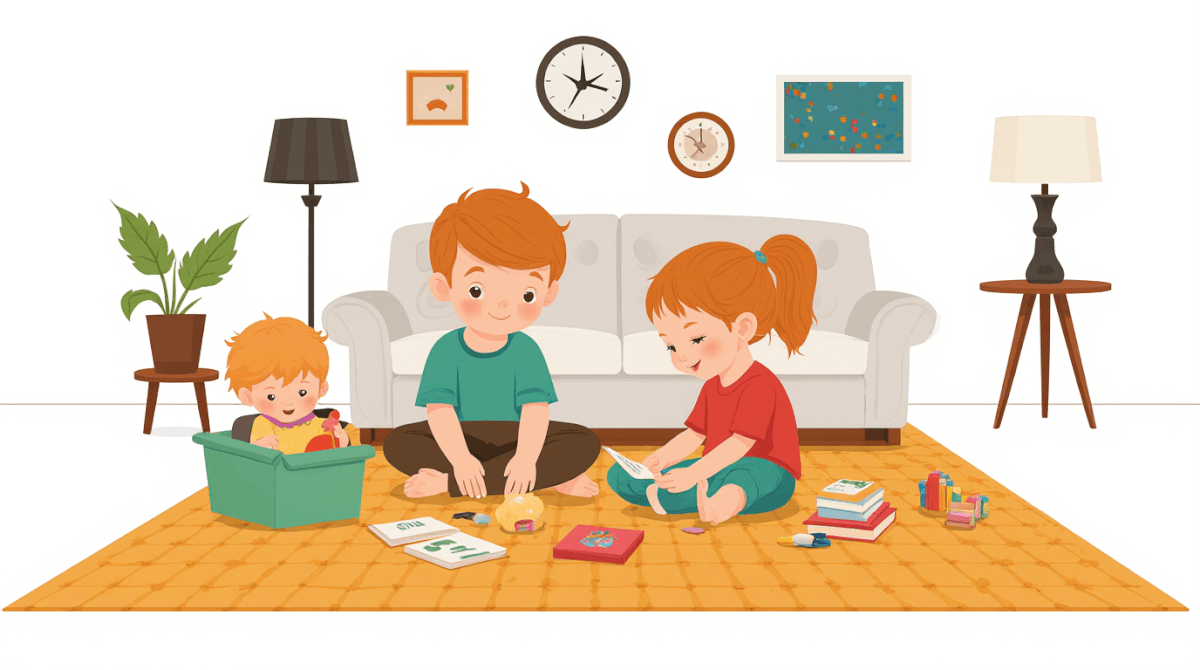
In the home environment, parents can foster independence by setting appropriate boundaries, allowing natural consequences to occur when safe, and encouraging problem-solving skills. Giving a child choices in their daily routine or letting them resolve minor conflicts with siblings without constant adult intervention can promote self-reliance. Similarly, at school, teachers who encourage students to take responsibility for their learning activities are nurturing an environment that supports developing independence.
The influence of emotional guidance is not limited to just the initial years; its effects are long-lasting and continue into adolescence and adulthood. Adolescents often seek out environments where they can practice making decisions without constant adult supervision, such as through part-time jobs or extracurricular activities. These experiences build on the foundation laid during childhood, helping them transition smoothly into independent adults.
Emotional guidance significantly shapes independence by fostering resilience, self-efficacy, and self-regulation. Through consistent validation, support, and encouragement, caregivers help children develop a strong sense of self and the ability to navigate various challenges independently. While social, cultural, and relational contexts play a role in this process, it is the quality of emotional interactions that ultimately shapes how children learn to be independent thinkers and actors.
It is important to recognize that while emotional guidance is crucial, other factors such as physical environment, educational opportunities, and socioeconomic status also influence independence. At its core, the ability for individuals to make informed decisions and take actions on their own stems from the emotional support they receive during formative years.
Related Reading
– Laurence Steinberg — Age of Opportunity
– James Heckman — The Economics of Early Childhood