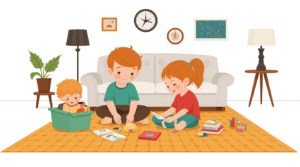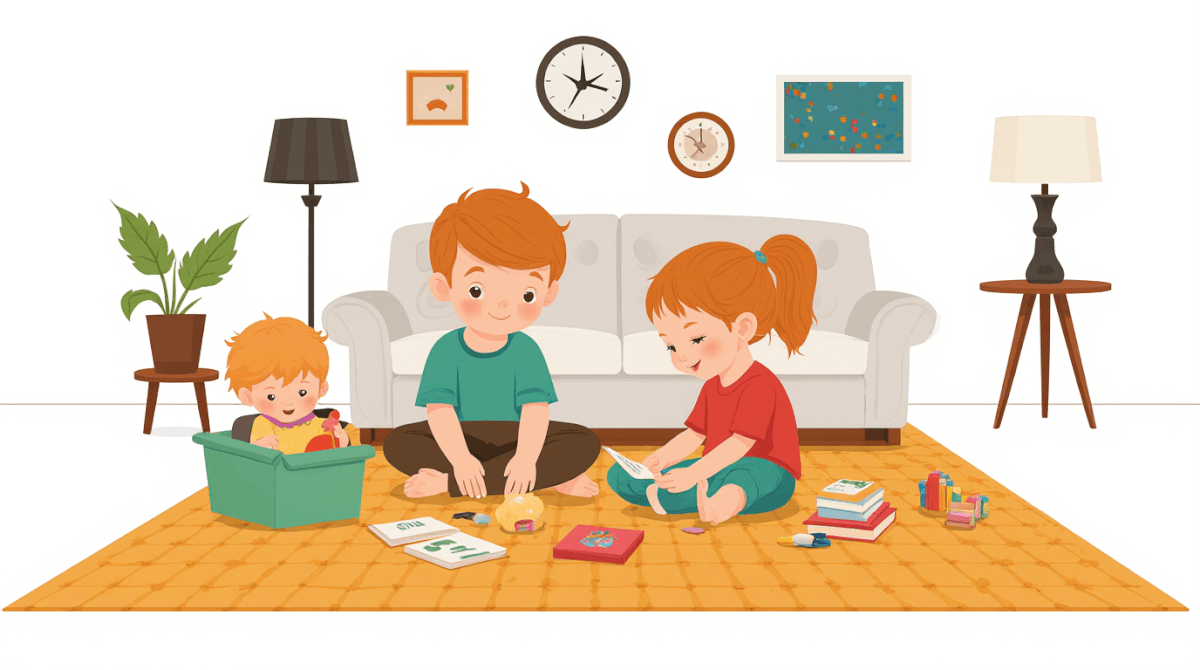
One specific mechanism through which fairness influences emotional development is its impact on empathy and trust. When children experience fair treatment, they learn to recognize patterns of justice, which in turn fosters a sense of security and predictability in their environment. This secure base allows them to explore and interact with others more freely, enhancing their social skills and emotional resilience.
Consider the example of a classroom setting where fairness is maintained by teachers who distribute rewards and penalties equitably among students. In such an environment, children learn that actions have consequences and that everyone is treated equally. Over time, this experience can lead to the development of trust in authority figures and in peers. Children become more confident in their interactions because they know what is expected of them and how they will be judged.
Fairness promotes empathy by exposing children to a variety of perspectives and emotional experiences. When they witness fair treatment of others, whether it’s through stories, media, or direct interactions, they begin to understand the feelings and needs of those around them. This can be seen in playground scenarios where a child sees their friend sharing toys with someone who doesn’t have any, leading to an empathetic response even if they didn’t directly participate.
Another important aspect is how fairness affects emotional regulation. Children learn that emotions are valid but also need to be managed constructively when dealing with fair or unfair situations. In a situation where two friends disagree over a game’s rules, the child who understands and advocates for fairness can handle their frustration more effectively than one who does not. They might communicate calmly, propose solutions, or even apologize if they realize they were wrong.
The role of parental and societal influences is crucial here. Parents who consistently model fair behavior in their interactions with children and others help build a framework for emotional development. When parents share household chores equally among family members, it teaches children about the value of fairness and cooperation. Similarly, stories and media that highlight fairness can reinforce these values in a relatable way.
It’s also worth noting how cultural context plays a role. Different cultures have varying norms regarding what is considered fair or unfair, which can shape emotional development differently. In some collectivist societies, fairness might be interpreted as group harmony over individual rights, while in individualistic societies, it may focus more on personal rights and equal treatment.
As children grow older, their understanding of fairness becomes more nuanced. They begin to question not just external actions but also internal thoughts and motivations. This critical thinking is essential for developing a well-rounded emotional intelligence. They might reflect on why someone behaves unfairly or how their own biases might influence their judgments.
It’s important to recognize that the path to fair judgment isn’t always straightforward. Children may encounter situations where fairness seems contradictory, such as when they have to choose between being fair and being kind. These dilemmas can be challenging but are also opportunities for growth. By discussing these scenarios with supportive adults or peers, children can develop a more sophisticated understanding of what it means to be fair.
The impact of fairness on emotional development extends beyond childhood into adolescence and adulthood. Adults who have been raised in environments that prioritize fairness tend to exhibit higher levels of trust, empathy, and social competence. They are also better equipped to handle conflicts and navigate complex social situations with grace and understanding.
The influence of fairness on emotional development is a vital process that shapes our ability to form meaningful relationships, understand justice, and manage emotions effectively. Through consistent experiences of fair treatment in various contexts—both personal and societal—children learn valuable lessons about trust, empathy, and emotional regulation. These foundational skills are essential for navigating the complexities of life and contribute significantly to overall well-being.
References:
– Baron-Cohen, S. (2015). The Science of Evil: On Empathy and the Origins of Cruelty. Basic Books.
– Batson, C. D., Ahmad, N., &진, H. J. (2004). “The altruism question revisited: Empathy, uncertainty, and the prospect for a unified moral motivation.” Journal of Personality and Social Psychology, 86(5), 793-814.
Related Reading
– Robert Sapolsky — Behave (developmental implications)
– Urie Bronfenbrenner — The Ecology of Human Development