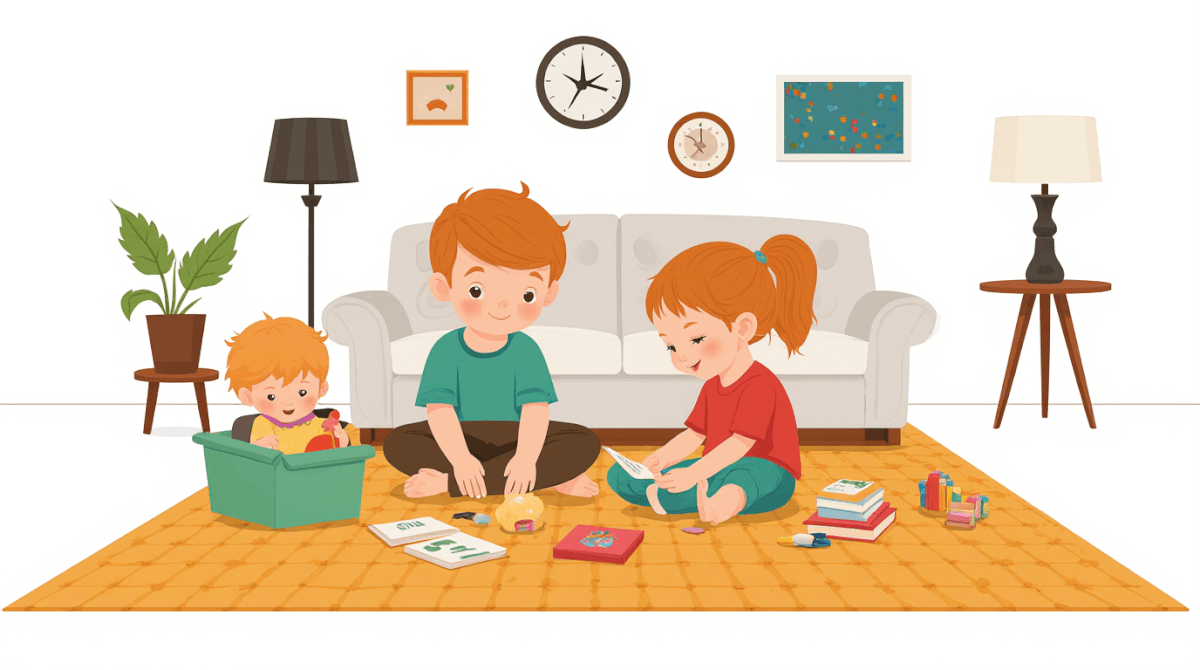
Emotional warmth encourages exploration by fostering a secure base that allows children to venture into the world with confidence, curiosity, and a sense of safety. This concept is rooted deeply in the early experiences that shape a child’s perception of their environment and self-worth. When caregivers provide emotional warmth through consistent affection, support, and understanding, they create an environment where exploration is not only possible but actively encouraged.
The mechanism by which emotional warmth influences development can be understood through its impact on attachment theory. Developed by psychologist John Bowlby, attachment theory posits that a secure base formed in early childhood provides the foundation for healthy development. When children experience consistent affection and support from caregivers, they develop a sense of trust and security. This trust allows them to explore their surroundings with confidence, knowing that there is someone reliable who will provide comfort if needed.
Let us delve into this mechanism step by step. First, emotional warmth fosters a strong attachment between the caregiver and the child. This bond begins in infancy when parents or primary caregivers consistently offer care, comfort, and love. When an infant cries and receives immediate attention and soothing from their parent, they learn that the world is a safe place where needs are met. Over time, this pattern of behavior reinforces trust and emotional security.
As children grow, this sense of security translates into increased curiosity and exploration. When a child knows that there is someone who will be there to support them if they encounter challenges or uncertainties, they feel more confident in venturing out to explore the world around them. Imagine a young child stepping away from their parent’s side to investigate a new toy at the playground. The emotional warmth and security provided by their caregiver create a safe space for this exploration, allowing the child to take small steps of independence.
Emotional warmth also plays a crucial role in shaping cognitive development. When children feel emotionally secure, they are more open to learning and acquiring new information. This is because emotional warmth activates the brain’s reward system, which releases chemicals such as dopamine that enhance motivation and attention. Children who experience emotional warmth are more likely to engage in activities that challenge them cognitively.
To illustrate this point, consider a preschool classroom where one teacher consistently provides emotional support and encouragement to her students. She listens attentively when they share their ideas, praises their efforts, and helps them solve problems together. In such an environment, children feel valued and motivated to explore new learning opportunities. They are more willing to ask questions, take risks, and try out different ways of thinking—behaviors that are essential for cognitive growth.
A lack of emotional warmth can hinder exploration. Children who do not receive consistent support from caregivers may develop anxiety or fearfulness when faced with new experiences. Imagine a child whose primary caregiver is often unavailable or dismissive. This child might struggle to separate from their caregiver at school, feeling unsure about the safety and reliability of their surroundings. They may avoid exploring their environment or trying new activities.
It is important to note that emotional warmth does not merely provide security; it also promotes the development of social skills. Children who experience emotional warmth learn to regulate their emotions effectively, which enables them to interact more positively with others. This social competence further encourages exploration by allowing children to form friendships and engage in collaborative play. When a child feels comfortable expressing their feelings to peers, they are more likely to initiate activities or join group games, thus fostering social connections that enhance the exploratory process.
Emotional warmth helps children develop resilience—a crucial trait for navigating the complexities of childhood and beyond. When faced with challenges, children who have experienced emotional support from caregivers are better equipped to cope with stress and setbacks. This resilience is vital for exploration because it enables children to persevere through difficulties and maintain a positive outlook when encountering obstacles.
Emotional warmth encourages exploration by creating a secure base that allows children to venture into the world with confidence and curiosity. Through its impact on attachment theory, cognitive development, social skills, and resilience, emotional warmth shapes a child’s overall experience of their environment in profound ways. By providing consistent affection, support, and understanding, caregivers play a critical role in fostering an atmosphere where exploration is not only possible but actively encouraged. This mechanism ensures that children grow up with the tools they need to thrive, both now and in the future.
References:
Bowlby, J. (1982). Attachment and loss: Vol. 1. Attachment. Basic Books.
Spalding, T., & Wainwright, K. D. (2006). The impact of attachment theory on child development research. Child Development Perspectives, 1(1), 4-8.