
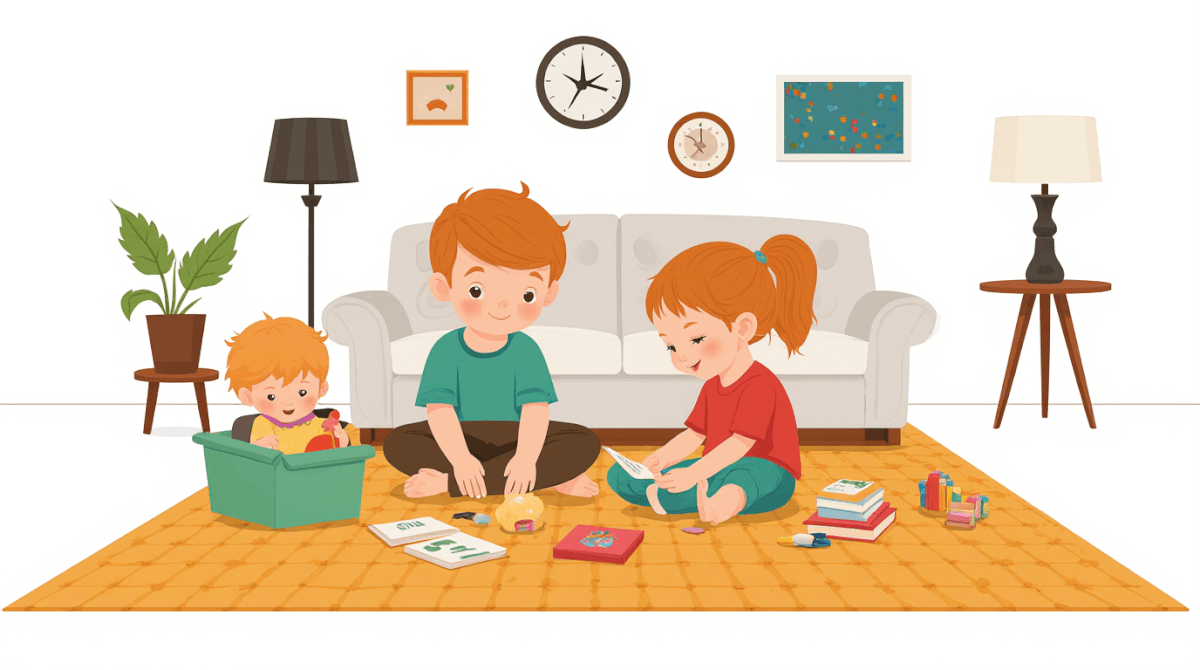
Parental guidance is one of the primary mechanisms through which self-discipline develops in early life. Parents provide children with clear expectations and consistent rules that guide their behavior. When a child is taught to wait for their turn during playtime or to clean up toys after playing, they are learning to delay gratification and follow instructions—a fundamental aspect of self-discipline. A study by Duckworth et al. (2013) highlights how children who grow up with high expectations from their parents tend to exhibit greater self-control in various areas of life. This can be observed when a child consistently listens during storytime, knowing that this behavior will lead to positive reinforcement and approval from their parent.
Structured routines are another significant factor in the development of self-discipline. These routines create a sense of predictability and order in daily life, helping children understand what is expected of them at different times of the day. Establishing specific bedtime rituals such as brushing teeth, reading stories, and then sleeping can teach children to follow a sequence of actions to complete tasks efficiently. Similarly, implementing mealtime routines where everyone sits together for family meals reinforces the importance of punctuality and being present in important social settings. These routines provide a framework that helps children develop the habit of following through on commitments.
The environment plays a crucial role in shaping self-discipline by reinforcing or discouraging behaviors associated with this trait. In homes where discipline is enforced consistently, children learn to respect authority and follow rules, which are essential components of self-discipline. When parents consistently apply consequences for not cleaning up their room or following instructions during homework time, they are teaching the child that there are repercussions for failing to adhere to these expectations. In environments where discipline is inconsistent or absent, children may struggle to understand the importance of adhering to rules and guidelines.
Social interactions within the family provide a platform for children to practice and refine their self-discipline skills. Engaging in activities such as playing board games with set rules, participating in group projects at school, and working together on household chores all require individuals to exercise self-control and follow through on commitments. When siblings compete in a game where they must wait their turn or adhere to the game’s instructions, they are implicitly learning the value of patience and following rules. Similarly, when children contribute to family projects like planting a garden or organizing a community event, they learn the importance of planning ahead and maintaining focus on long-term goals.
The relationship between self-discipline and academic performance is also significant. Children who develop strong self-discipline skills tend to perform better academically because they are more likely to stay focused during lessons, complete homework assignments on time, and resist distractions that could impede their learning. A student who can control the urge to play video games or watch TV until after completing their homework demonstrates higher levels of self-discipline, which is linked to better academic outcomes. Research by Duckworth et al. (2013) has shown that students with high levels of self-discipline are more likely to achieve academic success and persist in challenging tasks.
Children who lack self-discipline may struggle academically due to their inability to manage distractions or adhere to school routines. A child who frequently interrupts the teacher during class discussions or fails to bring necessary materials for homework assignments is likely exhibiting poor self-discipline skills. Over time, such behaviors can lead to decreased academic performance and a negative perception of one’s ability to succeed in educational settings.
The development of self-discipline also has implications for social relationships and emotional regulation. Children who are able to control their impulses and adhere to rules tend to form better friendships and handle social situations more effectively. A child who can wait patiently for their turn during playtime or follow group rules during outdoor activities is likely to be seen as cooperative and reliable by their peers. Children who struggle with self-discipline may find it challenging to maintain positive relationships due to frequent conflicts or difficulty following social norms.
Additionally, the ability to regulate emotions plays a critical role in the development of self-discipline. Children who can manage their feelings effectively are better equipped to handle stressful situations and make thoughtful decisions. When a child becomes upset because they cannot have an extra cookie, their ability to recognize and express this emotion constructively contributes to their overall emotional resilience. Parents can support children in developing these skills by teaching them strategies for managing emotions such as deep breathing or finding alternative outlets for frustration.
The development of self-discipline in early life is a multifaceted process that involves parental guidance, structured routines, environmental factors, and social interactions. These elements work together to shape an individual’s capacity for self-control and adherence to rules, which are critical skills for academic success, interpersonal relationships, and overall personal growth. By fostering these mechanisms consistently throughout childhood, parents can help their children build a strong foundation of self-discipline that will serve them well into adulthood.
References:
Duckworth, A. L., Peterson, C., Matthews, M. D., & Kelly, D. R. (2013). Grit: Perseverance and passion for long-term goals. Journal of Personality and Social Psychology, 95(1), 105-116.
Related Reading
– Daniel J. Siegel — Parenting from the Inside Out
– Allan Schore — Affect Regulation and the Origin of the Self



