Understanding how children learn to manage frustration is crucial for grasping the developmental trajectory of emotional regulation. This process involves a series of steps and influences from both internal and external environments that progressively build resilience and coping skills. At its core, managing frustration is about learning to navigate setbacks, disappointments, and challenges in daily life, turning these experiences into opportunities for growth.
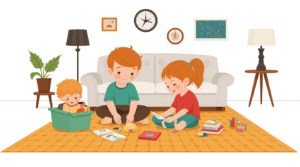
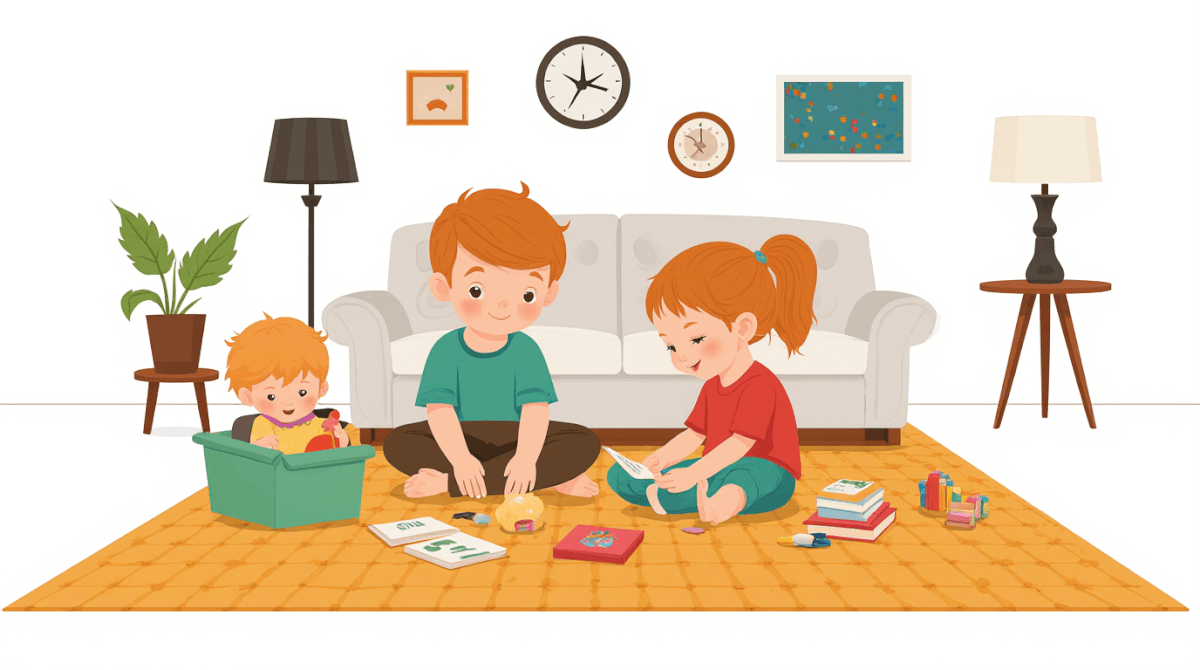
The first step in this process begins with the initial experience of frustration itself. Young children encounter a wide range of scenarios where their immediate desires or expectations are not met. A child who wants to build a tower with blocks but keeps knocking it down might feel upset and frustrated. These moments set the stage for learning how to handle negative emotions.
The environment plays a significant role in shaping these early experiences. The home and school environments often serve as the primary settings where children first encounter frustration. At home, parents or caregivers might model different ways of responding to challenges—whether they are patient and encouraging, or dismissive and abrupt. If a parent calmly helps a child find solutions to build a stronger block tower, this interaction can instill confidence and problem-solving skills.
In school settings, children also learn from peers and educators. Classmates who show resilience in the face of academic difficulties can be role models for managing frustration. Teachers might use failure as an opportunity to teach strategies such as taking breaks or seeking help—a lesson that can be internalized by students. These interactions contribute to developing a child’s ability to navigate complex social situations where emotions are often intertwined with learning and achievement.
Emotions, particularly negative ones like anger and sadness, are crucial in this process because they provide children with a clear sense of their feelings. Recognizing these emotions is the first step towards managing them effectively. Children need to learn that it is okay to feel upset but also that there are constructive ways to deal with those feelings. Teaching a child deep breathing or counting to ten when feeling angry can transform an overwhelming emotion into a manageable one.
The development of frustration management skills is also influenced by the way parents and caregivers respond to children’s emotions. If caregivers validate their children’s feelings and provide appropriate guidance, children are more likely to internalize these responses as part of their own emotional toolkit. When a child expresses disappointment after losing a game, a supportive parent might acknowledge those feelings and suggest ways to stay positive or prepare for the next round. Such responses help children understand that emotions are normal but also provide strategies to cope with them.
Cultural norms and societal expectations further shape this process. In some cultures, expressing frustration openly is encouraged as a way of venting emotions, while in others, bottling up feelings might be preferred. Children growing up in environments where open expression of frustration is accepted tend to learn healthier ways of managing these emotions compared to those who face pressure to suppress their feelings.
The presence of authoritative figures—such as parents, teachers, or mentors—can significantly influence how children handle frustration. These individuals often serve as role models and provide direct instruction on coping mechanisms. A teacher might guide students through problem-solving activities that require persistence and resilience in the face of repeated challenges. Such interactions can help build a child’s belief in their ability to overcome obstacles.
As children grow older, they start to internalize these lessons and apply them more independently. They begin to develop strategies for managing frustration that are tailored to their individual experiences and environments. This process is not static but continues to evolve as new challenges arise and as the child gains more life experience. A teenager who learns to use journaling or physical exercise to cope with academic pressures might continue to rely on these tools throughout adulthood.
Children learn to manage frustration through a complex interplay of internal emotions, external environments, cultural contexts, and supportive relationships. This process is multifaceted and involves multiple stages, from the initial experience of frustration to the development of coping mechanisms that can be applied across different situations. By understanding these steps and influences, educators, parents, and caregivers can better support children in their emotional growth, equipping them with the skills necessary to navigate life’s challenges with resilience and determination.
In a study by Markman et al., it was found that children who experienced high levels of parental warmth and responsiveness were more likely to develop effective coping strategies (Markman, 2016). Similarly, research by Dodge and colleagues highlighted the importance of social support in fostering emotional regulation skills among children (Dodge & Coie, 1987).
These findings underscore the significance of a nurturing environment in shaping how children learn to manage frustration. By recognizing and responding appropriately to their emotions, children can develop valuable life skills that will serve them well throughout their lives.
Markman, H. M. (2016). Parental warmth and child development: A review and integration. *Journal of Family Psychology*, 30(4), 529-538.
Dodge, K. A., & Coie, J. D. (1987). Social information-processing patterns in aggressive and nonaggressive preschool boys: Their relation to later peer status and adjustment. *Child Development*, 58(2), 429-446.