Emotional safety shapes communication through its profound impact on the development of interpersonal skills during childhood. When a child feels emotionally safe within their environment, they are more likely to engage confidently and authentically with others. This emotional security fosters the ability to communicate effectively by enabling children to express themselves freely without fear of rejection or criticism. Imagine a classroom setting where a teacher consistently validates a student’s feelings and ideas. In such an environment, the child is more likely to participate actively in discussions and share their thoughts openly, leading to improved communication skills.
The early experiences that contribute to emotional safety are pivotal in shaping this development. Children who experience consistent support and understanding from caregivers develop stronger emotional resilience and a secure sense of self. When parents or other significant adults respond positively to a child’s emotions, the child learns that their feelings matter and are worth expressing. This positive reinforcement encourages open communication and helps build a foundation for effective interpersonal interactions later in life.
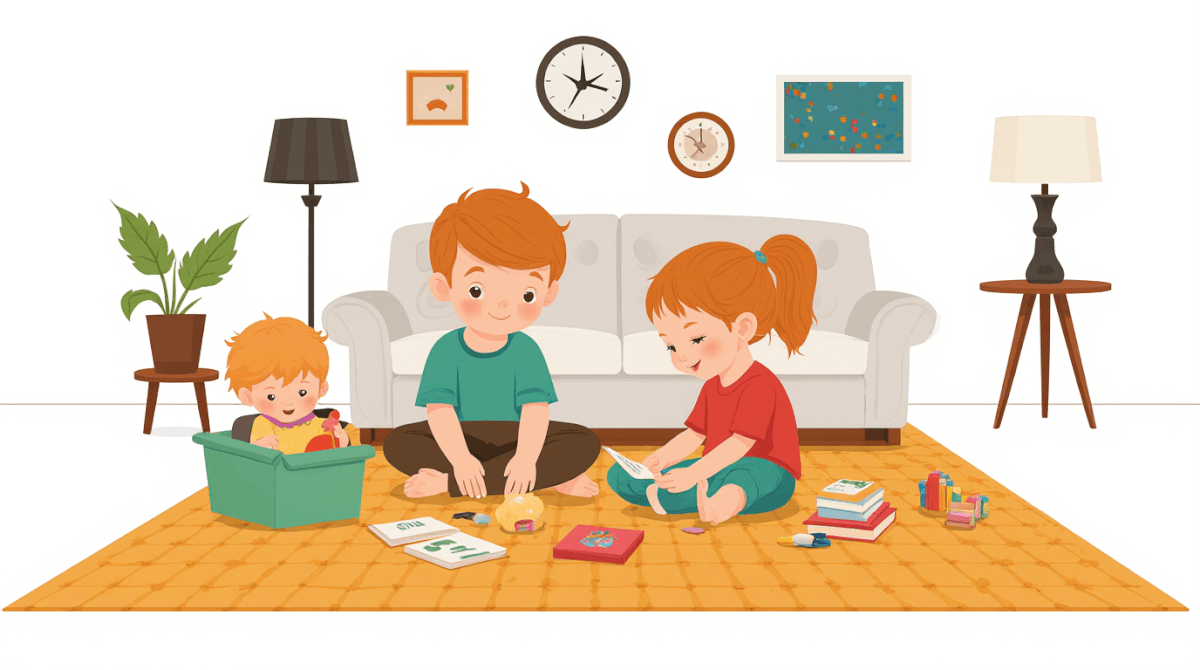
Consider another example: a home where family members openly discuss their feelings and concerns without judgment fosters an atmosphere of emotional safety. Children who grow up in such homes learn to express themselves freely, understanding that it is safe to share their thoughts and emotions. This environment not only enhances communication skills but also promotes empathy and mutual respect among family members.
The social context plays a critical role in shaping emotional safety. In communities where diversity and inclusion are celebrated, children often feel more secure expressing their unique identities. Schools that actively promote inclusivity by recognizing and respecting individual differences create an environment where students feel valued and heard. This sense of belonging encourages open dialogue and enhances the quality of interactions among peers.
It is important to note that emotional safety does not occur in isolation but is influenced by a combination of factors, including cultural norms and societal expectations. In cultures that emphasize openness and authenticity, children are more likely to develop strong communication skills. Societies where direct expression of emotions is encouraged and accepted can foster environments where individuals feel safe sharing their thoughts and feelings.
The absence of emotional safety can have significant negative impacts on a child’s ability to communicate effectively. Children who experience frequent criticism or rejection may become hesitant to express themselves openly, leading to social isolation and difficulties in forming meaningful relationships. Consider a scenario where a child is frequently corrected or ridiculed for their ideas at home or school. Over time, this can lead to feelings of inadequacy and fear of judgment, making it challenging for the child to share their thoughts freely.
Fostering emotional safety involves creating environments where children feel understood and supported. This can be achieved through various strategies such as providing consistent emotional validation, encouraging open dialogue, and promoting a culture of empathy and respect. Teachers who regularly acknowledge students’ contributions and provide constructive feedback create an environment that encourages confident communication. Similarly, parents who actively listen to their children’s concerns and validate their feelings help build emotional resilience.
The process of developing effective communication skills through emotional safety is gradual and multifaceted. It involves not only the immediate environment but also broader social and cultural factors. In communities where diversity is celebrated, children are more likely to develop an open-minded approach towards others’ perspectives, enhancing their ability to communicate effectively across different contexts.
The impact of early experiences on emotional safety extends beyond childhood into adulthood. Children who grow up feeling emotionally safe often carry these positive emotions and communication skills into their adult lives, contributing to healthier interpersonal relationships and better social interactions. An individual who feels supported by colleagues at work may be more likely to seek out collaboration and open dialogue in professional settings.
Emotional safety significantly shapes the development of effective communication skills during childhood. By creating environments where children feel understood, valued, and supported, caregivers and educators can lay a strong foundation for future interpersonal interactions. The social and cultural contexts also play crucial roles in reinforcing these positive influences, fostering an atmosphere that encourages open dialogue and mutual respect.
In summary, emotional safety is not just about feeling secure but actively contributing to the development of robust communication skills. Through consistent validation, empathetic listening, and a culture of inclusivity, individuals can navigate social interactions with confidence and authenticity. This process forms the core of healthy relationships and effective communication in both personal and professional settings.
References:
– Goleman, D. (1995). Emotional Intelligence: Why It Can Matter More Than IQ. Bantam Books.
– Bretherton, I., & Rueter, M. A. (1998). The Development of Attachment and Rule-Governed Behavior in Early Childhood: A Selective Review and Some New Data. Monographs of the Society for Research in Child Development, 63(2-3), 47-75.