Emotional containment plays a crucial role in the growth of individuals, influencing their ability to navigate the complexities of human emotions and interpersonal relationships. This process involves managing one’s emotional responses within appropriate boundaries, allowing for personal development without overwhelming oneself or others. The environment and early experiences shape this mechanism significantly, as they provide both the tools and limitations necessary for children to understand and regulate their emotions effectively.
At its core, emotional containment is about finding a balance between expressing emotions healthily and managing them in socially acceptable ways. This skill develops over time through interactions with caregivers, peers, and societal norms. When a child experiences fear or frustration, the way they are guided by adults to handle these feelings can set the foundation for their emotional regulation later on.
The early home environment is one of the primary settings where this mechanism starts taking shape. Parents who model appropriate ways of expressing emotions through their own behaviors and verbal guidance provide children with valuable lessons. When a child falls and gets hurt, a parent might calmly acknowledge the pain while also encouraging the child to find solutions or distractions—like playing with toys or moving on to another activity. Over time, this approach helps children develop strategies for managing negative emotions without resorting to outbursts or withdrawal.
Cultural factors further contribute to the development of emotional containment. Different cultures have varying norms and expectations regarding how emotions should be expressed in public versus private spaces. In some societies, it might be considered inappropriate to openly express strong emotions like anger or sadness in formal settings; instead, individuals are expected to maintain a certain level of emotional composure. This context shapes children’s understanding of what is acceptable and encourages them to adapt their behavior accordingly.
Peer interactions also play a significant role in reinforcing the concept of emotional containment. As children grow older and form friendships, they learn from one another how to handle various social situations that may elicit emotions. Through these relationships, young people can observe different ways of expressing feelings, such as laughing off disappointments or offering comfort when someone is upset. These interactions help build resilience and self-awareness by showing the value of maintaining emotional balance in diverse scenarios.
Schools and educational settings offer structured environments where children are taught specific skills related to emotional regulation. Programs that focus on teaching mindfulness, stress management techniques, and effective communication strategies can significantly enhance a child’s ability to contain their emotions constructively. Students might learn how to take deep breaths when feeling overwhelmed or practice speaking calmly during disagreements—skills that serve them well both inside and outside the classroom.
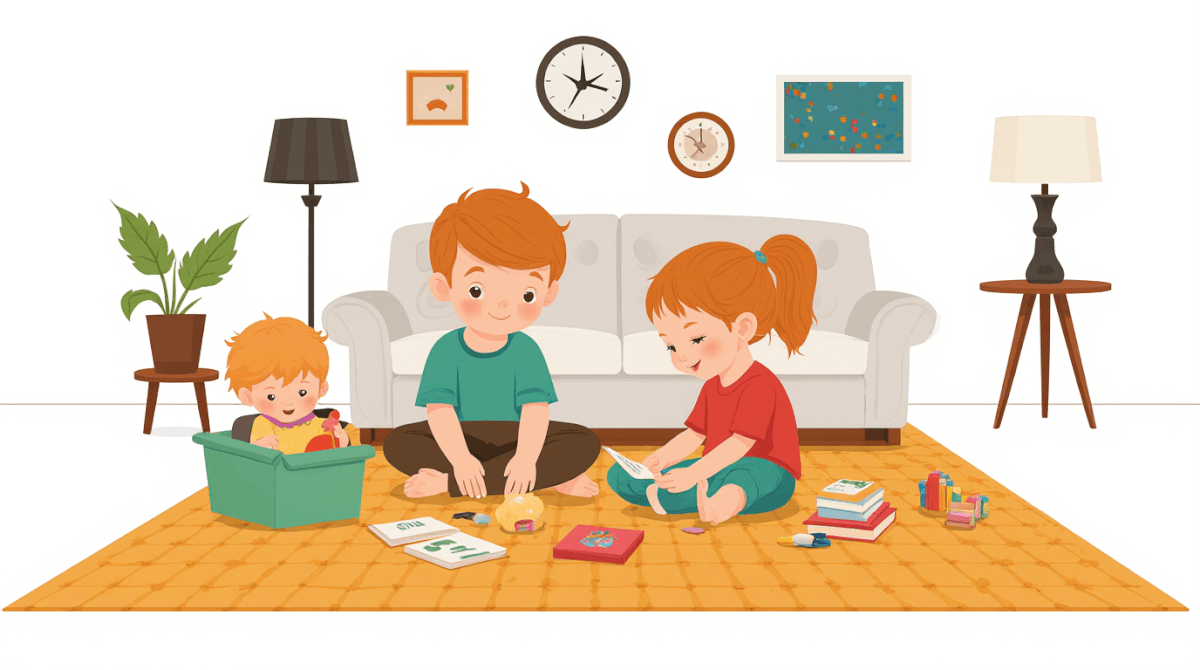
In addition to these formal learning experiences, informal interactions among friends and family members contribute greatly to emotional development. Shared activities like playing games together, participating in sports teams, or engaging in creative pursuits allow children to practice expressing emotions within a supportive context. These settings often provide opportunities for open communication about feelings without fear of judgment, fostering an environment where healthy emotional expression is encouraged.
The influence of emotional containment extends beyond just personal growth; it also impacts interpersonal relationships and social interactions. Individuals who are skilled at containing their emotions tend to be more empathetic and understanding towards others’ feelings. They can better navigate conflicts by remaining calm and composed, which prevents minor disagreements from escalating into larger issues. Those who learn to manage their emotions appropriately often find themselves more approachable and trustworthy in friendships and professional settings.
A lack of emotional containment can lead to various negative outcomes. Children who grow up without proper guidance may struggle with managing intense emotions, leading to behaviors that are disruptive or even harmful to themselves and others. Outbursts of anger might result from uncontrolled frustration, while prolonged sadness could affect academic performance and social engagement.
It is important to note that emotional containment does not mean suppressing all feelings but rather learning how to express them constructively. While some emotions can be uncomfortable or difficult, they are an integral part of the human experience. The key lies in finding healthy ways to process these emotions so that they do not negatively impact one’s daily life.
Emotional containment is a fundamental aspect of personal growth and development. It is shaped by a combination of environmental factors, including familial relationships, cultural norms, peer interactions, and educational experiences. By fostering this skill early on, individuals can build stronger emotional resilience, improve their interpersonal relationships, and navigate the complexities of life more effectively. While there may be challenges along the way, the benefits of mastering emotional containment far outweigh the difficulties encountered during its development.