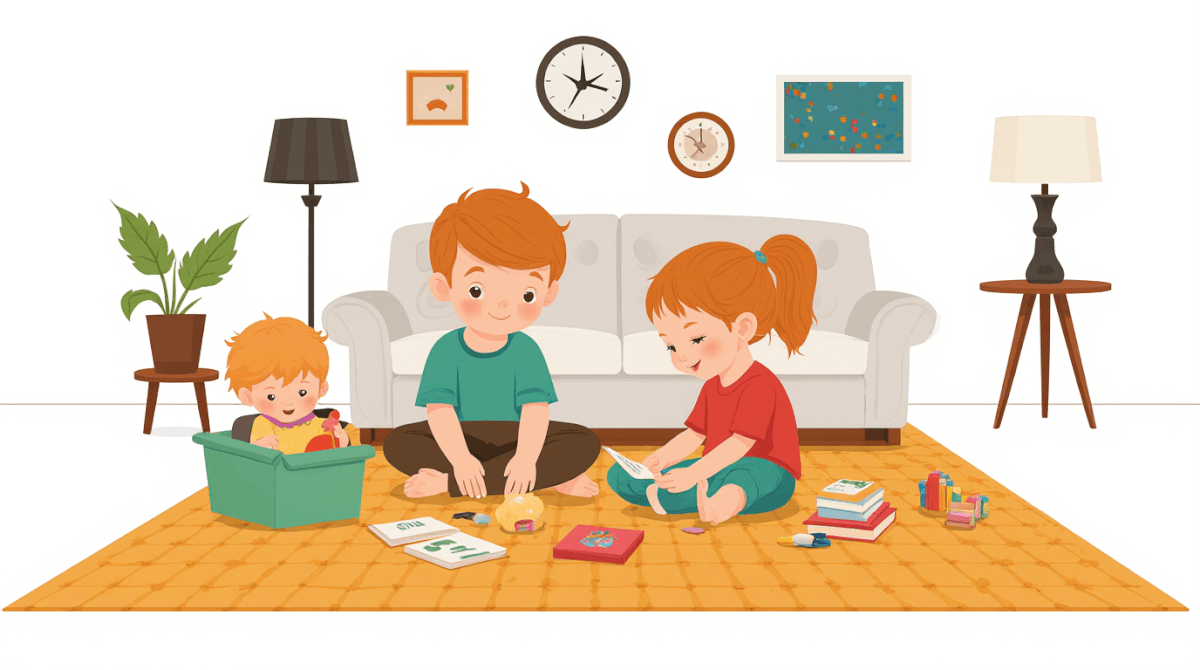
Identity formation is a complex process deeply influenced by early experiences and the environment in which we grow up. One of the key mechanisms through which this happens is the consistent reactions individuals receive from caregivers and significant others, often referred to as “consistent responses” or “attachment figures.” These consistent reactions help shape an individual’s understanding of themselves and their place in the world, forming a basis for identity that can be seen throughout life.
Consistent reactions occur when caregivers respond predictably to an infant’s needs. If a baby consistently cries when hungry and is promptly fed by a caregiver, they learn to associate crying with relief. Over time, this consistent pattern of response helps the child form expectations about themselves and their relationships with others. When these responses are repeated over a significant period, they become embedded in the individual’s psyche as part of their developing self-concept.
These early experiences with consistent reactions significantly influence how individuals perceive themselves. If a child consistently receives warmth and affection from caregivers when distressed, they may develop a secure sense of self-worth. If such responses are inconsistent or absent, the child might struggle with feelings of worthlessness or anxiety. Insecure attachment patterns formed through inconsistent responses can lead to difficulties in establishing healthy relationships later in life.
The mechanism works on several levels: emotional, social, and cognitive. Emotionally, consistent reactions contribute to a sense of safety and trust. Socially, they help shape an individual’s understanding of their role within the family or community. Cognitively, these experiences influence how individuals process information about themselves and others.
To illustrate this concept, consider a scenario where a child receives consistent responses from caregivers in response to their needs. If they are given food when hungry, comfort when upset, and attention when seeking interaction, they learn that they can trust the world and other people. This trust forms the foundation of their self-esteem and identity. If these reactions are inconsistent or absent, the child might develop a sense of unpredictability in life, leading to feelings of anxiety and insecurity.
Inconsistent responses, create a confusing environment for children. If caregivers respond inconsistently, sometimes with warmth and affection and at other times with neglect or anger, it can lead to confusion about one’s worth and the reliability of others. This inconsistency can result in a fragmented self-concept where different parts of the child’s identity are influenced by different experiences.
Consistent reactions also influence how individuals understand their place within social structures. When children receive consistent support and validation from their caregivers, they learn that their opinions matter and that they have value in society. This understanding forms part of their identity, influencing their interactions with peers and adults. Inconsistent responses can lead to a sense of isolation or misunderstanding of one’s role in the community.
Cognitively, these consistent reactions shape how individuals perceive themselves and others. If a child consistently receives praise for their achievements, they may develop a strong sense of competence. If such praise is sporadic or absent, they might struggle with feelings of inadequacy. This cognitive aspect of identity formation can be seen in many areas of life, including academic performance, social interactions, and professional success.
The impact of consistent reactions extends beyond childhood into adolescence and adulthood. Adolescents who have developed a secure sense of self due to consistent positive responses from caregivers are more likely to engage confidently with peers and authority figures. They may exhibit better coping mechanisms during stressful situations and form healthier relationships based on mutual respect and understanding. Those who experienced inconsistent or negative reactions might struggle with social anxiety, interpersonal conflicts, and low self-esteem.
The influence of consistent responses can be observed in various societal roles and expectations. In academic settings, students who have received consistent encouragement from educators are more likely to pursue their interests and excel academically. They may develop a sense of responsibility towards their learning goals and take initiative in seeking knowledge. Those who faced inconsistent or discouraging responses might struggle with academic performance and self-doubt.
In the workplace, adults who experienced secure attachment relationships as children tend to form stronger professional networks and communicate effectively with colleagues and superiors. They may exhibit leadership qualities due to a confident understanding of their capabilities and value in the work environment. Those with insecure or mixed attachment experiences might find it challenging to navigate complex social dynamics and may experience anxiety or insecurity when taking on responsibilities.
The impact of consistent reactions can also be seen in romantic relationships. Individuals who have developed secure attachments tend to form healthy partnerships based on mutual respect, trust, and emotional support. They are more likely to communicate openly about their needs and desires, fostering a strong sense of connection with their partners. Those with insecure or avoidant attachment styles might struggle with intimacy, leading to conflicts in relationships.
Consistent reactions play a crucial role in shaping identity by influencing emotional, social, and cognitive development. These reactions provide a foundation for self-understanding and the ability to form meaningful connections with others. While the impact of inconsistent responses can lead to challenges in various aspects of life, the consistent support and validation provided during early childhood have long-lasting effects on an individual’s sense of self-worth and their interactions within society.
References:
1. Bowlby, J. (1980). Loss: Sadness and Depression. Basic Books.
2. Ainsworth, M. D. S., Blehar, M. C., Waters, E., & Wall, S. (1978). Patterns of Attachment: A Psychological Study of the Strange Situation. Erlbaum.