Emotional stability plays a crucial role in encouraging exploration by creating a secure base from which individuals can venture out into the world. This thesis is underpinned by the concept that when people feel emotionally stable—meaning they are able to regulate their emotions and respond calmly to challenges—they are more likely to engage with new experiences, ideas, and environments without fear of failure or harm. The mechanism through which emotional stability fosters exploration can be traced back to early childhood and is heavily influenced by social, cultural, and relational contexts.
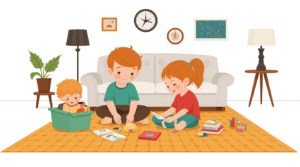
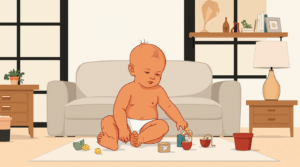
The process begins with the formation of a secure attachment between an infant and their caregiver. When infants experience consistent care and support from caregivers who are attuned to their needs, they develop a sense of safety that allows them to explore their surroundings without fear of abandonment or rejection. Imagine a baby who regularly experiences feeding, soothing, and attention from her mother. She learns to trust the world as a safe place where she can venture out confidently. This secure base is fundamental for emotional stability later in life.
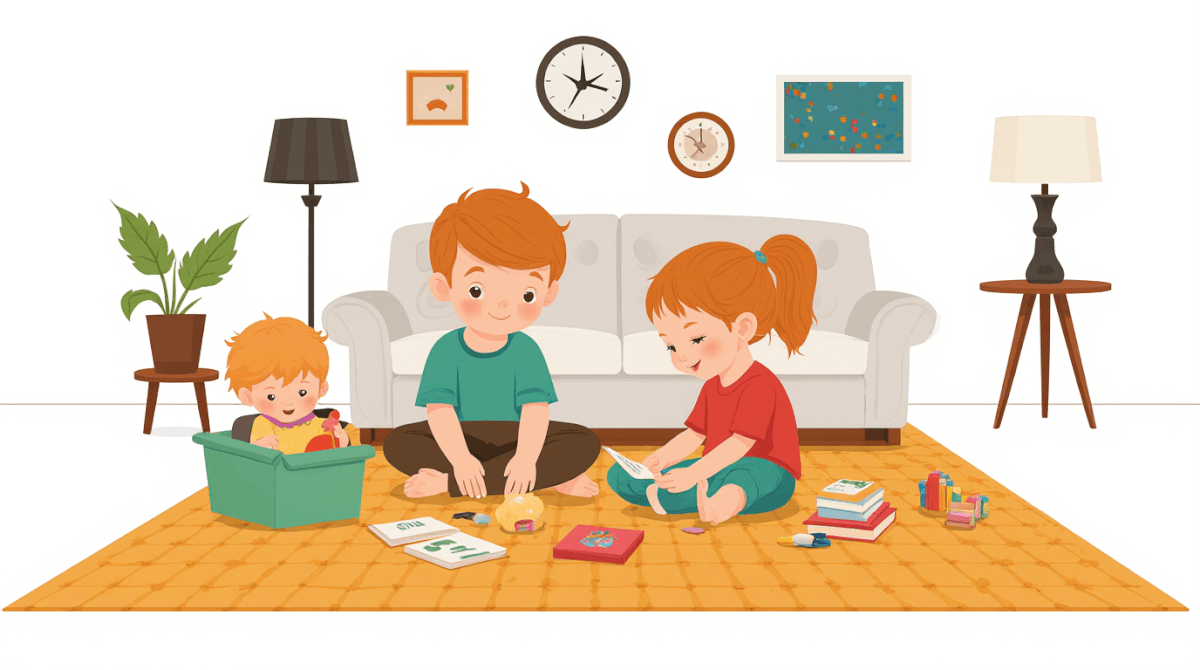
As children grow, they continue to encounter situations that test their emotional resilience. Social interactions at school or within community settings provide opportunities to practice regulating emotions and responding calmly to challenges. When a child faces a difficult task during a group project, the ability to remain calm, seek help, and persist in the face of adversity can be linked directly to previous experiences of emotional stability. Such experiences foster a sense of self-efficacy, empowering children to approach new tasks with confidence rather than fear.
Cultural context also plays a significant role in shaping how emotional stability influences exploration. In cultures that emphasize emotional expression and openness, individuals are more likely to feel comfortable expressing their emotions openly, which can lead to greater willingness to take risks and explore new experiences. In some collectivist societies, where the emphasis is on group harmony and cooperation, children may be encouraged to seek out social interactions that foster a sense of belonging and mutual support, thereby encouraging exploration within the safe confines of social groups.
The role of emotional regulation skills in fostering exploration cannot be overstated. Children who are taught how to manage their emotions effectively are better equipped to handle the challenges they encounter during exploratory activities. When faced with a fear of heights, a child who has learned deep breathing techniques and can stay calm under pressure is more likely to approach such experiences than one who lacks these skills. This ability to remain composed and focused on the task at hand is crucial for navigating new environments and engaging in novel activities.
Emotional stability helps individuals manage stress effectively, which is essential when exploring unfamiliar or challenging situations. A child who has experienced consistent care and support during times of stress is more likely to approach a new academic challenge with resilience rather than panic. They are better equipped to handle the anxiety that may arise from not knowing how to succeed in an unfamiliar task.
Emotional stability serves as a critical foundation for fostering exploration by creating a secure base that encourages children and adults alike to venture out into the world confidently. The mechanism through which this occurs is complex and multifaceted, involving the formation of secure attachments, consistent social support, cultural context, and effective emotional regulation skills. By providing a sense of safety and security, emotional stability enables individuals to approach new experiences with confidence and curiosity rather than fear or uncertainty.
In societies that prioritize emotional well-being, children are more likely to grow into adults who are open-minded, resilient, and capable of navigating the complexities of life with a sense of adventure. The cultivation of emotional stability is therefore not just an individual process but one that is deeply embedded within social, cultural, and relational contexts. By recognizing the importance of this mechanism, we can work towards creating environments and support systems that nurture emotional stability and, in turn, promote greater exploration and personal growth.
References:
– Bowlby, J. (1969). Attachment and Loss: Vol. 1. Attachment. Basic Books.
– Siegel, D. J., & Hartzell, M. (2003). Parenting from the Inside Out: How a Deeper Self-Understanding Can Help You Raise Children Who Will Love You Back. Penguin Random House.