Early self-belief is often nurtured or hindered based on the messages received during childhood. These messages can be explicit or implicit, coming from parents, teachers, peers, and broader societal norms. When a young girl receives encouragement for her academic achievements from a teacher who recognizes and praises her efforts, she begins to internalize these positive assessments, developing self-belief in her intellectual capabilities. If she consistently faces dismissive or critical feedback, it can lead to doubts about her abilities.
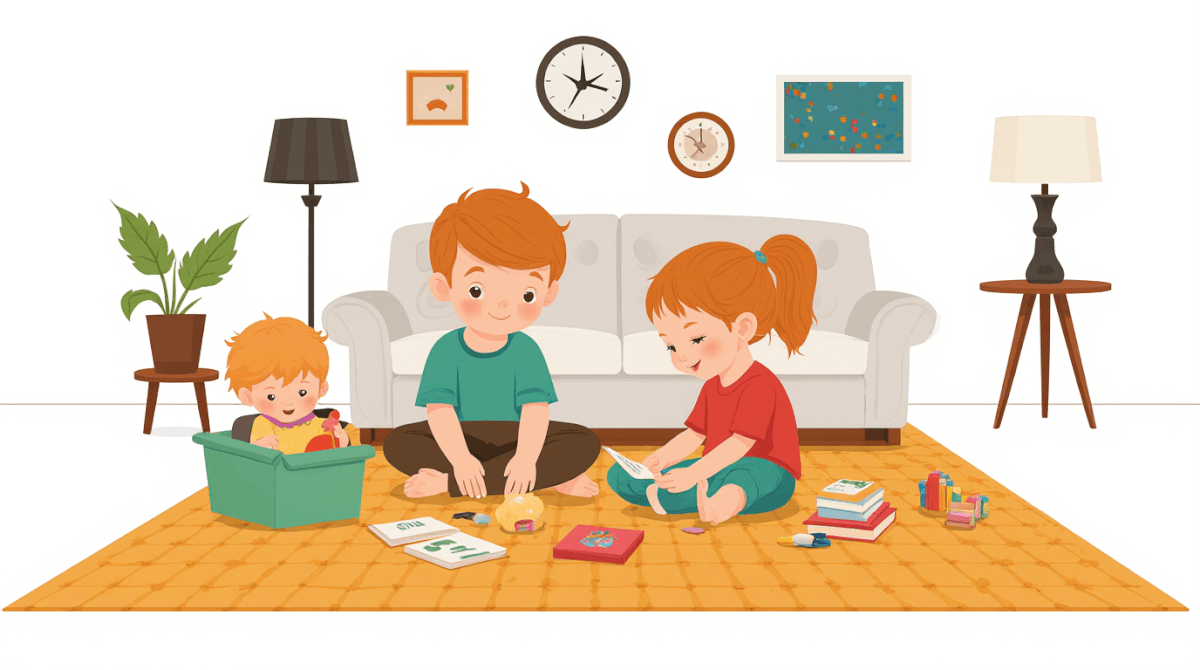
The environment plays a crucial role in shaping the pathways through which self-belief is formed. In families where open communication and emotional support are prevalent, children are more likely to develop strong self-esteem and self-confidence. Parents who actively listen to their child’s ideas and provide constructive feedback help build a foundation of trust and belief that their opinions matter. This environment fosters an atmosphere in which the child can experiment with new challenges without fear of failure, thus reinforcing a sense of self-efficacy.
Cultural norms also significantly impact how children develop their beliefs about themselves. In cultures that value community and collective success over individual achievements, children are encouraged to see their contributions within the larger context of family or societal goals. This can lead to a deeper understanding of personal roles and responsibilities, fostering a broader sense of self-worth. In collectivist societies, children might be taught to prioritize group harmony and cooperation, which can instill in them a belief that they have an important place within the community.
In individualistic cultures where emphasis is placed on personal success and autonomy, children are often encouraged to pursue their own goals and dreams. This can foster a strong sense of independence and self-reliance, leading to greater self-belief in one’s capabilities and potential. In a culture that values innovation and entrepreneurship, young individuals might be exposed to role models who have achieved success through hard work and determination, thereby inspiring them to believe in their own potential.
The influence of significant adults extends beyond direct feedback; it includes the behaviors and attitudes they model for children. Teachers, mentors, and role models play a pivotal role in shaping how children view themselves. A teacher who demonstrates perseverance by tackling complex problems with enthusiasm can inadvertently teach students that challenges are opportunities for growth rather than insurmountable obstacles. Similarly, parents who handle their own failures with grace and resilience set an example of resilience that can be emulated by their children.
Peer interactions also significantly contribute to the development of self-belief. The dynamics within a child’s social circle—whether supportive or competitive—can either bolster or undermine confidence in one’s abilities. In environments where peers engage in positive support and constructive competition, children are more likely to develop a sense of belonging and competence. A classroom setting that encourages collaborative projects can help students recognize their value as part of a team while also fostering individual achievement.
The opposite is true when peer interactions are negative or discouraging. Bullies and exclusionary behaviors can lead to feelings of inadequacy and low self-esteem. In such cases, children may struggle with self-doubt and find it difficult to believe in their own worth. This highlights the importance of creating safe spaces where all individuals feel valued and supported.
Exposure to diverse perspectives and opportunities broadens a child’s understanding of themselves and their capabilities. Children who are exposed to varied experiences—whether through travel, cultural events, or community activities—are more likely to develop a well-rounded sense of self. These experiences not only enrich their lives but also help them realize that there is no single path to success or worth.
The early roots of self-belief are deeply rooted in the social and cultural contexts within which children grow up. The feedback from significant adults, the norms of the culture they live in, and the dynamics of peer interactions all contribute to shaping a child’s belief in their own abilities and worth. By fostering environments that value open communication, support, and diversity, we can help ensure that young individuals develop strong foundations of self-belief that serve them well throughout their lives.
References:
Hoffman, M. L. (2017). *Empathy and Moral Development: Implications for Caring and Justice*. Cambridge University Press.
Seligman, M. E. P., & Csikszentmihalyi, M. (2000). Positive psychology: An introduction. In S. J. Lopez & C. R. Snyder (Eds.), *Handbook of positive psychology* (pp. 5-14). Oxford University Press.