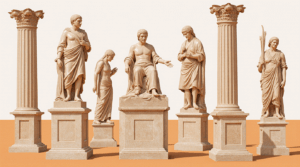
In the realm of philosophy, questioning is fundamental. Philosophers have long debated the nature of questions themselves—whether they are simply tools for probing the depths of knowledge or active agents in the creation of new knowledge. Socrates famously used the method of questioning to challenge and expand his interlocutors’ beliefs, revealing the limitations of their understanding through a series of probing questions. His approach underscores the transformative power of questions, showing how they can catalyze change by uncovering underlying assumptions and contradictions.
The art of asking better questions goes beyond simply formulating more sophisticated inquiries. It involves a deep engagement with the context and implications of our questions. Better questions are not only those that are more complex or nuanced but also those that are deeply relevant to the situation at hand. They require a thoughtful consideration of the context in which they are asked, ensuring that they address the core issues rather than superficial details.
Consider, the difference between asking “What is the best way to solve this problem?” and “How can we collaboratively identify the most effective solution to this challenge?” The first question seeks a definitive answer, potentially leading to a narrow focus on a single approach. The second question, by contrast, opens up the possibility of a more inclusive and dynamic process, fostering creativity and collaboration.
Better questions are those that encourage reflection and self-examination. They invite us to consider our own beliefs, values, and assumptions, rather than simply accepting the status quo. Such questions can lead to a deeper understanding of ourselves and our world, revealing blind spots and challenging preconceptions. The question “What assumptions underlie my actions?” can be transformative, prompting a closer examination of one’s motivations and behaviors.
The power of better questions extends beyond individual inquiry; it also plays a crucial role in societal discourse. In a democratic society, effective questioning is essential for informed citizenship. Questions such as “What are the long-term implications of this policy?” or “How can we ensure that this decision benefits the wider community?” encourage critical engagement and promote a more robust public dialogue. These questions not only challenge existing paradigms but also foster a sense of collective responsibility and shared inquiry.
In education, better questions are equally powerful. They can transform passive learning into active inquiry, driving students to think deeply about the material they are studying. Instead of asking “What is the formula for calculating the area of a circle?” one might ask “How does the concept of area relate to the properties of circles in real-world applications?” Such questions not only deepen understanding but also highlight the relevance and interconnectedness of different concepts.
In personal relationships, better questions can foster deeper connections and mutual understanding. They encourage empathy and active listening, allowing individuals to explore each other’s perspectives more thoroughly. Instead of asking “Why are you upset?” one might ask “What has been troubling you lately?” This shift from a judgmental stance to a more open and inquisitive approach can create a safer space for expression and mutual support.
Better questions also have the power to challenge systems of oppression and inequality. By asking “How can we ensure that this policy is equitable for all stakeholders?” or “What systemic changes are needed to address the root causes of this issue?” one can work towards more inclusive and just solutions. These questions are not merely rhetorical but are essential tools in the fight for social justice.
Better questions can lead to innovative breakthroughs in fields as diverse as science, technology, and art. They encourage a mindset of curiosity and exploration, pushing boundaries and challenging existing knowledge. In scientific research, asking “What new discoveries can we make if we approach this problem from a different angle?” can lead to groundbreaking insights. In the arts, questions like “How can we use this medium to express new ideas and experiences?” can inspire creativity and innovation.
The power of better questions is not limited to their content; it also lies in the way they are asked. The tone and intention behind a question can significantly influence its impact. A well-posed question with genuine curiosity and respect can open up dialogue, while a dismissive or condescending question can close doors. The art of asking better questions involves not only formulating more insightful queries but also doing so with a spirit of openness and inclusivity.
The power of asking better questions is multifaceted and profound. It transcends individual inquiry, influencing societal discourse, education, personal relationships, and even systemic change. By cultivating a habit of thoughtful questioning, we can deepen our understanding of ourselves and the world around us. Better questions are not just tools for obtaining information; they are invitations to engage with the complexities of existence, to explore new possibilities, and to build a more informed, empathetic, and equitable society.