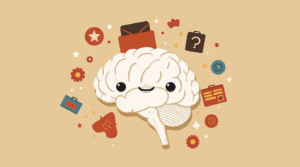
In the subtle dance of daily life, maintaining a healthy mind is like keeping a balance between the sun and the moon: essential for the harmony of the entire ecosystem. Emotional regulation, mental clarity, and psychological stability are the invisible threads that weave through our decisions, relationships, work, and long-term well-being, ensuring that our actions are steady and informed rather than erratic and impulsive.
The foundation of this balance lies in how we manage our emotions. Chronic stress, can be a relentless force that narrows our focus, reducing our ability to see the bigger picture. This narrowing of attention often manifests in everyday scenarios. Imagine arriving at work feeling overwhelmed by a recent argument with a loved one. The lingering tension might cause you to overlook a colleague’s suggestion or miss an important detail in a report, simply because your mind is fixated on the distressing event from earlier. This momentary preoccupation can have ripple effects throughout your day, leading to rushed decisions and a general sense of unease.
Psychological stability, allows for a more consistent and reliable approach to life’s challenges. With a stable internal state, you are better equipped to handle unexpected events without allowing them to throw you off balance. If a sudden change in the market affects your business, a person with psychological stability might respond by calmly reassessing the situation, considering all options, and making an informed decision rather than reacting impulsively. This steady approach not only improves the quality of decisions but also maintains a sense of calm and control.
Mental clarity is another crucial aspect that contributes to our overall well-being. It involves maintaining a clear and sharp mind, free from excessive clutter or confusion. In practical terms, mental clarity can be observed when you are able to focus on tasks without distractions. During a meeting at work, a mentally clear individual can listen attentively, process information effectively, and contribute meaningfully to the discussion. This clarity enhances productivity and fosters a positive working environment, as colleagues and superiors value clear communication and effective collaboration.
Emotional regulation plays a pivotal role in maintaining stable internal states. It involves the ability to manage emotions in a way that promotes resilience and adaptability. When faced with criticism at work, someone who has developed good emotional regulation skills might respond constructively rather than reacting defensively or becoming overly upset. Instead, they might take a moment to consider the feedback objectively, perhaps even seeing it as an opportunity for growth and improvement. This skill not only reduces conflicts but also enhances interpersonal relationships, as others are more likely to trust and respect a person who can handle difficult situations with grace.
The impact of emotional regulation on long-term well-being is profound. Over time, consistent emotional management leads to better mental health, reduced stress levels, and an overall sense of contentment. This stability provides a solid base from which one can pursue goals and enjoy life more fully. Consider the contrast between two people: one who consistently manages their emotions and another who struggles with emotional instability. The first person is likely to experience fewer ups and downs in mood, leading to a more consistent level of happiness and satisfaction. This steady state allows for deeper connections with others, a greater ability to pursue personal passions, and an overall richer life experience.
In relationships, psychological stability and emotional regulation are key to building and maintaining meaningful connections. When you can maintain a calm and clear presence, it fosters an environment where genuine communication and understanding can flourish. In a conversation with a friend or partner, a person with stable internal states is more likely to listen actively and respond thoughtfully. This responsiveness builds trust and strengthens bonds. Emotional regulation skills help navigate conflicts effectively, turning challenges into opportunities for growth and deeper understanding.
Similarly, work and productivity are significantly influenced by emotional and psychological stability. A stable internal state enables better concentration, creativity, and problem-solving abilities. In a fast-paced work environment, maintaining composure during high-stress situations can be crucial. During a time-sensitive project, an emotionally regulated individual might handle pressure with ease, staying focused on the task at hand and making thoughtful decisions. This resilience and clarity of thought enhance both personal and professional productivity, leading to better outcomes and greater job satisfaction.
Over time, the cumulative effect of these steady habits can be transformative. The consistency and reliability they bring to daily life reduce unnecessary friction and stress. Small but meaningful changes in how you handle emotions and think about challenges can add up to a significant improvement in your quality of life. Learning to manage stress through techniques like mindfulness or regular physical activity can gradually shift your response patterns from reactive to proactive.
The balance of a healthy mind impacts every aspect of our lives. By cultivating emotional regulation, mental clarity, and psychological stability, we create a solid foundation that supports better decision-making, stronger relationships, higher productivity, and a more fulfilling long-term outlook. While this journey may not be quick or easy, each step forward in these areas brings us closer to a more harmonious and satisfying existence.