Imagine sitting at your desk, staring at a screen filled with emails, notifications, and social media updates. Each new message or notification seems to grab your attention, pulling you away from the task at hand. This constant state of alertness can fragment your attention, making it difficult to focus on any one thing for an extended period. When you add up all these interruptions, the cumulative effect is a sense of mental overload.
The human brain evolved to process information in a way that allowed for deep focus and sustained attention. Modern technology has altered this natural balance. In a world where digital devices are nearly always within reach, it becomes increasingly challenging to find moments of genuine rest or reflection. This lack of downtime can lead to a buildup of unprocessed information and emotions, which the brain must somehow manage.
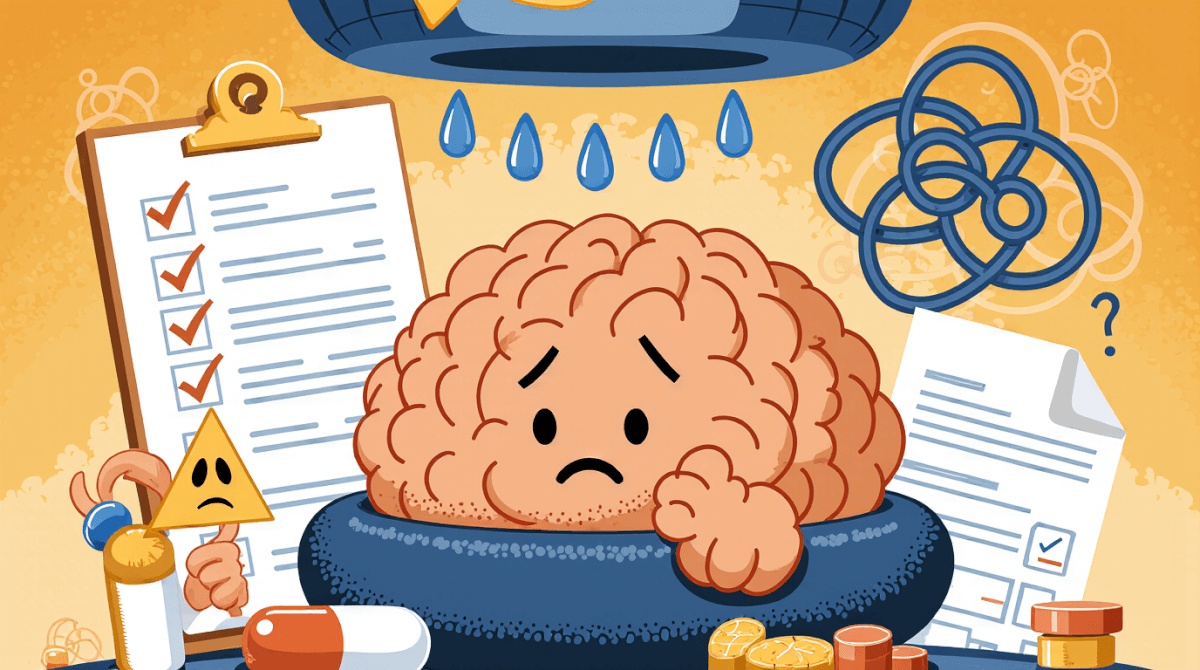
One key factor in this process is the phenomenon of cognitive load. Cognitive load refers to the total amount of mental effort being used in the working memory. When cognitive load exceeds one’s capacity, it can lead to stress and overwhelm. This overload can manifest in various ways: feeling frazzled, having trouble sleeping, experiencing a racing mind, or feeling emotionally drained.
Consider a scenario where you are trying to prepare for an important meeting while simultaneously fielding calls, responding to emails, and managing social media updates. Each of these tasks requires a degree of attention and cognitive effort. If the total load becomes too heavy, you might start to feel mentally fatigued, your concentration wanes, and you may find it difficult to recall information or make sound decisions.
The emotional neglect that often accompanies constant stimulation can exacerbate this feeling. When we are constantly bombarded with information and notifications, we might neglect to process our own emotions and feelings. This emotional neglect can lead to a sense of disconnection from one’s own internal state, making it harder to recognize when you are becoming overwhelmed.
The impact of mental overload on well-being extends beyond mere fatigue. It can contribute to a range of psychological symptoms such as anxiety, irritability, and even depression. The constant cycle of receiving information and responding to demands can create a sense of helplessness and stress, which over time can take a toll on one’s mental health.
It is important to recognize that awareness of these issues is the first step toward addressing them. By becoming more attuned to your own patterns of attention and emotional processing, you can begin to identify when you are starting to feel mentally overloaded. Notice if you find yourself checking your phone more frequently than usual or if you feel a sudden increase in stress levels.
Attention, becomes a crucial element in managing mental overload. Learning to focus on one task at a time, setting clear boundaries around digital use, and creating dedicated periods for reflection can help mitigate the effects of constant stimulation. These practices can aid in maintaining a more balanced cognitive load and emotional well-being.
Reflection also plays a vital role. Regularly taking time to step back from the barrage of information can provide much-needed respite. Engaging in activities that promote mindfulness, such as meditation or journaling, can help you process your thoughts and emotions more effectively. By regularly reflecting on your experiences and emotions, you can gain a better understanding of what triggers feelings of mental overload.
In summary, feeling mentally overloaded by information is a complex and multifaceted experience that can significantly impact one’s mental health. It arises from the interplay of constant stimulation, fragmented attention, and emotional neglect. By developing greater awareness of these factors and implementing strategies to manage cognitive load and emotional processing, individuals can better navigate the challenges of an increasingly information-dense world.