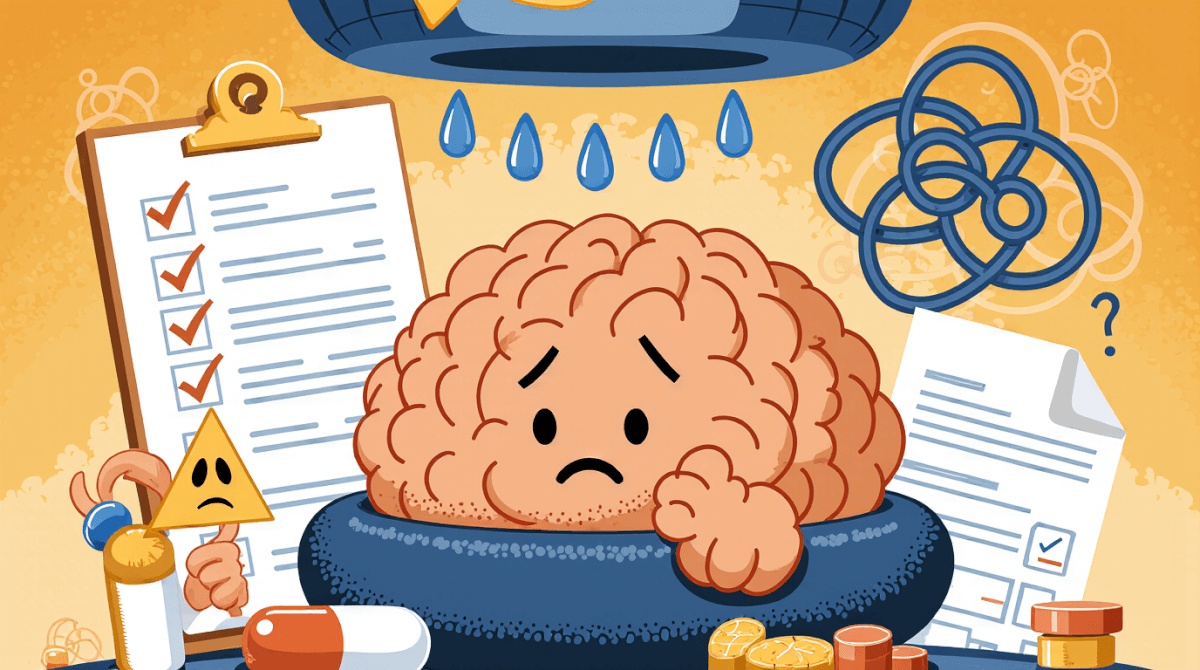
At the heart of this dynamic lies the human need for connection and support. When we feel a deep sense of belonging and acceptance, our emotional well-being thrives. When our emotional needs are met inconsistently or not at all, we may seek constant validation and reassurance, often through external sources. This relentless pursuit can lead to a state of mental overload, as the brain struggles to process an overwhelming amount of emotional stimuli.
Consider the case of someone who relies heavily on social media for their sense of self-worth. Every like, comment, or share becomes a momentary boost, but this constant influx of validation can also create a cycle of anxiety and stress. The brain, in an effort to manage these frequent emotional shifts, can become fragmented. Attention, once focused on a single task or thought, is now scattered across multiple digital notifications and social interactions. This fragmentation can lead to difficulties in concentration, decision-making, and overall cognitive function.
The constant stimulation from external sources can deplete our mental reserves. Just as physical muscles tire from overuse, the brain’s capacity for emotional regulation and stress management can diminish when faced with relentless demands. Over time, this exhaustion can manifest as irritability, mood swings, and a general sense of mental fatigue. The individual may find themselves needing more and more to feel “normal,” leading to a vicious cycle where dependency grows along with strain.
In such situations, the importance of boundaries and rest becomes crucial. Boundaries allow us to define our emotional space, setting limits on how much we can take in from external sources. Rest, both physical and mental, provides the necessary recovery time for the brain to reset and recharge. Without these, the constant influx of emotional demands can erode our resilience, leaving us vulnerable to burnout and emotional exhaustion.
The mechanisms behind this are simple yet profound. The brain has a finite capacity for processing emotions, and when that capacity is consistently exceeded, it can lead to a state of hyperarousal or hypoarousal. Hyperarousal manifests as heightened anxiety and tension, while hypoarousal can result in apathy and disinterest. Both states are detrimental to our mental health, as they disrupt the balance needed for emotional stability and well-being.
Imagine a person who has lost a job and is facing the daunting task of finding a new one. They rely heavily on social support, spending countless hours on calls and messages with friends and family. While this initial support can be helpful, over time, the constant need for reassurance can strain their mental reserves. The brain becomes preoccupied with the quest for validation, leading to a state where even minor setbacks feel like insurmountable failures.
An individual who sets clear boundaries around their social interactions might find themselves engaging more productively in job searches. They take time for self-care, allowing their brain to process emotions without being constantly bombarded by external demands. This approach can lead to a greater sense of control and resilience, as the individual learns to manage their emotional responses rather than reacting to every external trigger.
Awareness is key in this process. By recognizing the patterns of dependency and the resulting strain, individuals can begin to understand how their emotional lives are shaped by external influences. This awareness does not come with a manual or set of instructions but rather through a reflective practice that encourages introspection and self-compassion.
Emotional dependency and mental strain are complex interplays that highlight the delicate balance between our emotional needs and the resources we have to meet them. By understanding these dynamics, we can begin to navigate our emotional landscapes more mindfully, recognizing the importance of setting boundaries, taking rest, and allowing space for reflection. This journey towards greater emotional self-awareness is not about eradicating dependency but about cultivating a more balanced and resilient approach to our emotional lives.