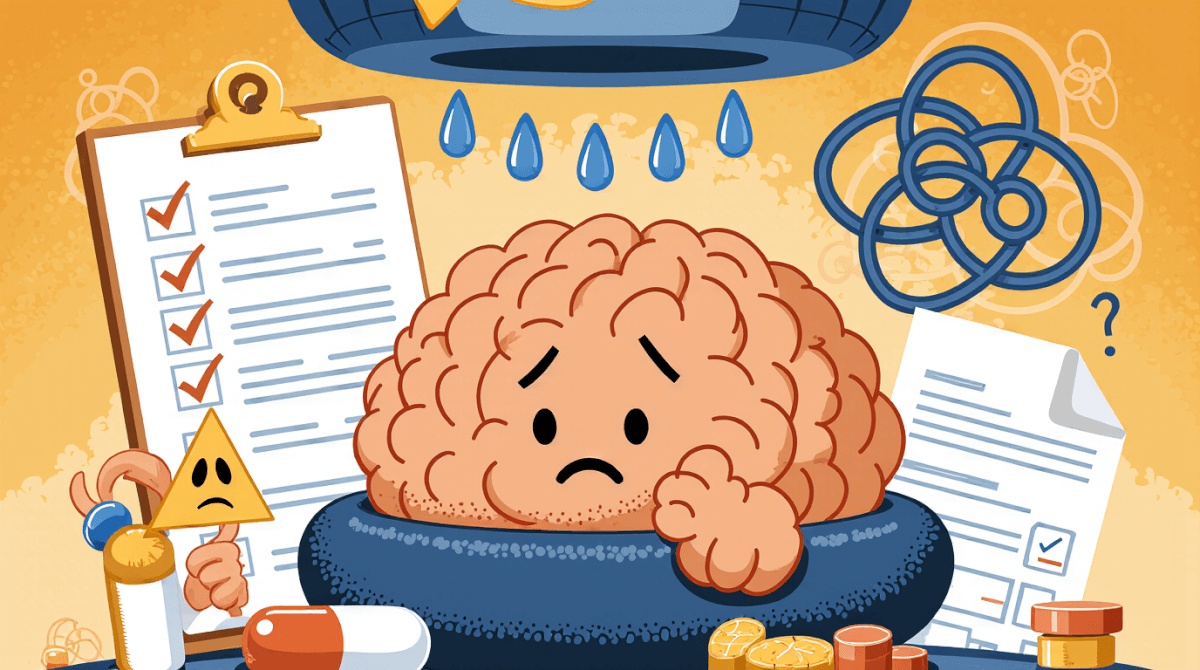
Mental overload refers to the point where the brain’s processing capabilities are exceeded by the amount of information or tasks it must handle. This can occur in both professional and personal contexts. A student juggling multiple assignments, deadlines, and social responsibilities might find their cognitive resources stretched thin, leading to a feeling of being overwhelmed. As the brain struggles to manage the influx of tasks and information, it may begin to shut down certain functions in an attempt to protect itself, including emotional regulation. This can result in a state where one feels increasingly disconnected from their emotions and the world around them.
Constant stimulation is another factor that can contribute to feelings of hopelessness. In today’s digital age, the constant stream of notifications, news updates, and social media content can be relentless. Each notification is a small interruption, fragmenting the mind’s attention and making it difficult to focus on any one task or thought for an extended period. This state of hyper-arousal can deplete the brain’s resources, leading to fatigue and a sense of constant alertness. Over time, this can result in a diminished capacity to experience joy or satisfaction, contributing to a pervasive feeling of hopelessness.
Emotional neglect is perhaps one of the most insidious contributors to feelings of hopelessness. When individuals do not receive adequate emotional support or validation from their environment, they may begin to doubt their own worth and validity. This can manifest as a general sense that others do not care about one’s struggles, leading to a belief that one’s efforts are futile. Over time, this lack of emotional nourishment can lead to feelings of isolation and abandonment, exacerbating the sense of hopelessness.
The effects of these conditions on well-being are profound. When the mind is constantly bombarded with information and tasks, it can become difficult to distinguish between what is truly important and what is not. This can lead to a state where one feels like they are constantly running on a treadmill, without ever reaching a destination or finding meaning in their efforts. As the brain becomes fatigued, it may struggle to process positive experiences or find joy in simple pleasures. Instead, one may find themselves focusing more on negative aspects of life, leading to a cycle of increasing dissatisfaction and hopelessness.
It is essential to recognize the role that attention, rest, boundaries, and reflection play in mitigating these feelings. Attention is a precious resource that can be easily depleted by constant distraction. By setting aside time to focus on tasks without interruption, individuals can preserve their cognitive resources and maintain a sense of control over their environment. Rest, particularly sleep, is crucial for mental and emotional recovery. During rest, the brain has the opportunity to process experiences, consolidate memories, and restore balance. Setting boundaries, such as limiting screen time or setting specific times for work and relaxation, can help create a more predictable and manageable daily routine.
Reflection is another powerful tool in combating feelings of hopelessness. By taking regular moments to reflect on one’s experiences, thoughts, and emotions, individuals can gain perspective and identify patterns that contribute to their feelings of despair. This process can involve journaling, meditation, or simply taking time to sit quietly and observe one’s internal state. Reflection allows individuals to connect with their emotions and understand the root causes of their hopelessness, fostering a sense of agency and control.
Awareness of these mechanisms is the first step towards managing feelings of hopelessness. By recognizing when one is experiencing mental overload, constant stimulation, or emotional neglect, individuals can take steps to address these factors. This might involve setting limits on screen time, seeking support from friends or professionals, or engaging in activities that promote relaxation and self-care.
The appearance of hopelessness is a complex phenomenon that arises from various psychological and environmental factors. It is characterized by a combination of mental overload, constant stimulation, and emotional neglect, which can deplete one’s cognitive resources, fragment attention, and undermine emotional well-being. By understanding these mechanisms and taking proactive steps to manage them, individuals can reduce the impact of hopelessness on their daily lives. Through careful attention to rest, boundaries, and reflection, it is possible to regain a sense of control and find meaning in the face of challenges.
Related Reading
– Edna Foa – Prolonged Exposure Therapy for PTSD
– Otto Kernberg – Borderline Conditions and Pathological Narcissism