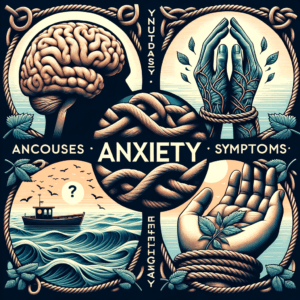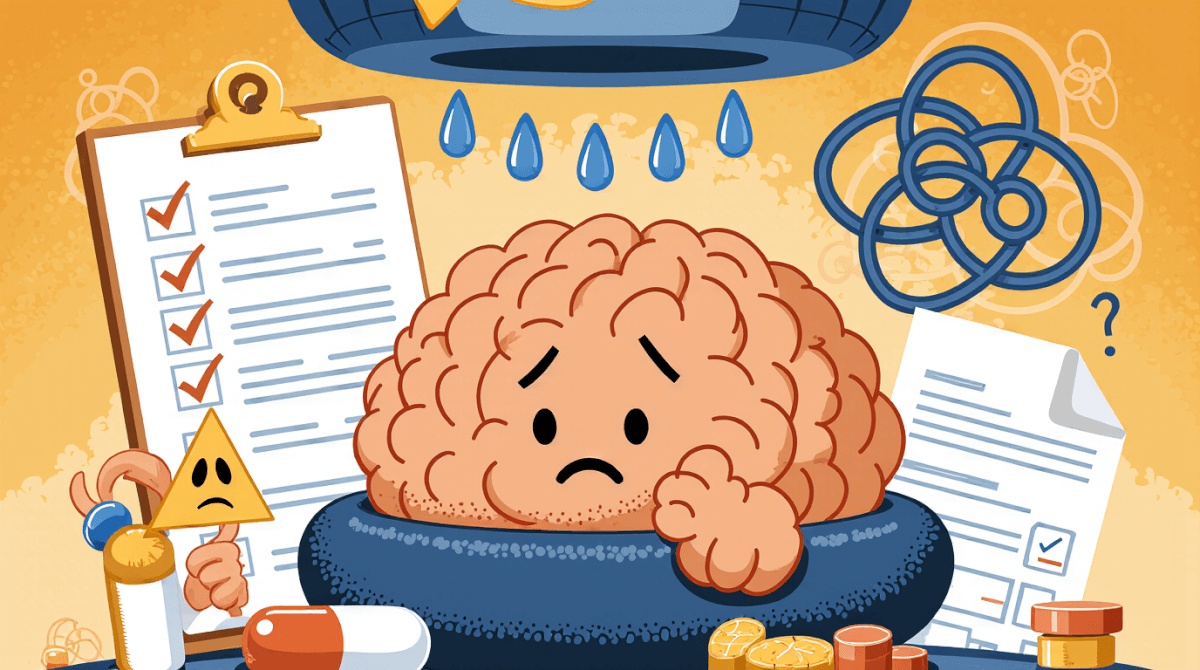
Emotional triggers can feel like unpredictable storms, suddenly casting a shadow over our day, disrupting our mood, and sometimes even derailing our plans. These emotional storms are often rooted in a complex interplay of factors that contribute to mental overload and emotional neglect. When we are bombarded with constant stimulation or experience prolonged periods of stress without sufficient rest, the capacity to manage these triggers diminishes. This can lead to heightened sensitivity and a lower threshold for emotional responses, making it challenging to navigate everyday life.
Mental overload occurs when we are consistently overwhelmed by cognitive tasks, emotional demands, or information. The brain, like any muscle, needs rest and recovery time to function optimally. When we do not provide this, our capacity to handle emotional triggers diminishes. Imagine a computer that is constantly running applications in the background, leading to slower processing speed and increased error rates. Similarly, a mind under constant pressure struggles to process and manage incoming emotional data effectively.
Constant stimulation, whether from social media, news cycles, or daily interactions, can fragment our attention. Research has shown that frequent interruptions disrupt our ability to focus, leading to what is often termed “attention fatigue.” This fatigue makes it harder to filter out irrelevant information and maintain clarity of thought. When the mind is scattered and tired, emotional triggers can feel more intense and harder to manage. A small disagreement with a colleague might trigger an overwhelming sense of anger or sadness, not just because of the event itself, but because the mind is already taxed from dealing with other stressors.
Emotional neglect can exacerbate this vulnerability. When we do not take the time to process and reflect on our emotions, they can build up inside us like a dam. Without regular emotional check-ins, these emotions can spill over into everyday life, leading to sudden, intense reactions to minor triggers. This is akin to a tree growing roots deep into the soil; when the ground is dry and unattended, the roots will struggle to support the tree, causing it to become more brittle and susceptible to damage.
Attention, rest, boundaries, and reflection are essential for maintaining mental and emotional balance. Attention allows us to focus on the present moment and process our emotions effectively. Without this focus, we may miss important signals from within ourselves, leading to misunderstandings or misinterpretations of our feelings. Rest provides a vital reset for the mind and body, allowing us to recharge and return to tasks with renewed energy and clarity. Boundaries, whether they are setting limits on screen time, establishing personal space, or defining professional roles, help us manage the external stimuli that can overwhelm us. Reflection, finally, offers a chance to understand our emotional responses and gain insights into why certain triggers affect us.
Sarah has been working long hours at her job with increasing demands, and she finds herself frequently overwhelmed by small disagreements with colleagues. She notices that even a simple request from a friend can trigger a wave of anxiety or anger, a stark contrast to how she used to handle similar situations. This heightened sensitivity suggests that her mental capacity is being strained by the constant stress at work. Sarah’s experience illustrates the importance of addressing the underlying causes of emotional triggers.
Regularly checking in with oneself is a crucial step in managing these triggers. Simple practices such as mindfulness meditation, journaling, or talking to trusted friends can provide a much-needed break from the constant flow of stimuli and help process emotions more effectively. These practices encourage us to slow down, breathe, and listen to our internal experiences, fostering greater self-awareness and emotional regulation.
Another key aspect is setting clear boundaries in various aspects of life. Limiting screen time before bed can improve sleep quality and reduce feelings of anxiety or restlessness. Defining professional and personal roles clearly can help prevent the blurring of lines that often leads to stress and conflict. By establishing these boundaries, we create more predictable and manageable environments for ourselves.
Rest is equally vital. Ensuring adequate sleep, taking regular breaks throughout the day, and engaging in activities that promote relaxation are all important. A 10-minute walk during lunch break or a short nap in the afternoon can significantly reduce stress levels and improve overall well-being. These small but impactful actions can make a substantial difference in how we handle emotional triggers.
Finally, reflection provides an opportunity to understand our emotional responses more deeply. By asking ourselves why certain events or interactions feel particularly challenging, we can gain insight into underlying fears or past experiences that may be influencing our current reactions. This self-examination allows us to approach future triggers with a more nuanced and compassionate understanding of our own needs and limitations.
In summary, the difficulty in managing emotional triggers is a complex issue influenced by mental overload, constant stimulation, and emotional neglect. By acknowledging these factors, we can better appreciate the importance of attention, rest, boundaries, and reflection in maintaining our mental and emotional health. These practices, while simple, offer powerful tools to navigate the unpredictable storms of life with greater resilience and clarity.