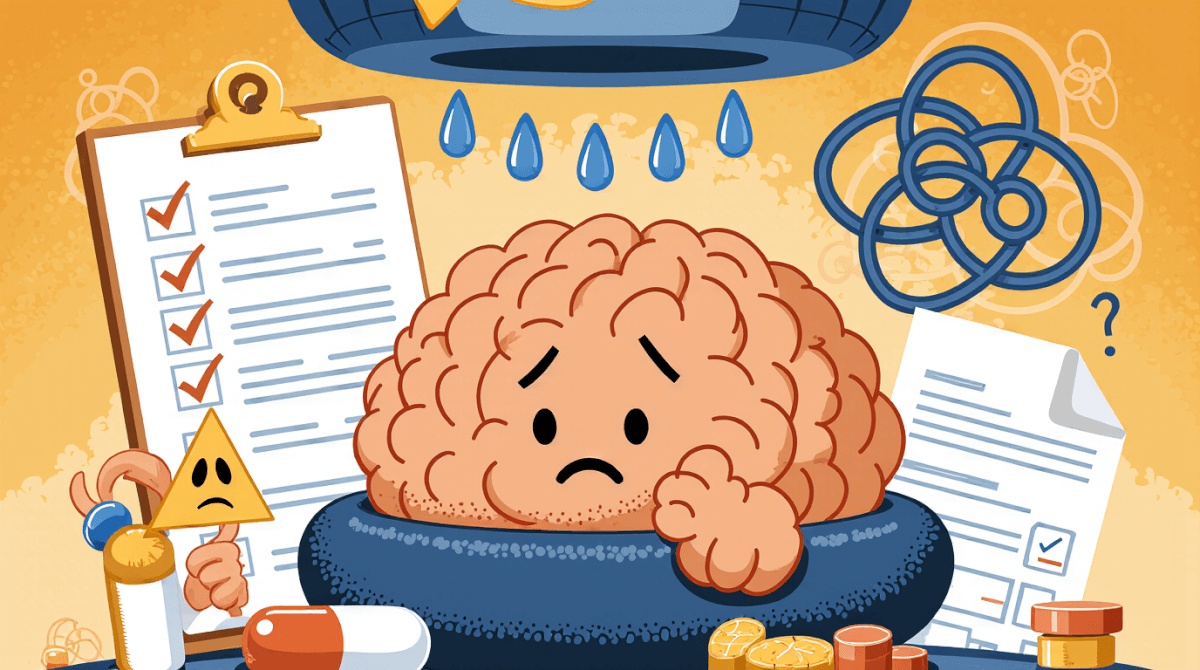
Mental overload occurs when the brain is constantly bombarded with information, tasks, and responsibilities without adequate time for rest and processing. This state can be likened to a computer running multiple programs simultaneously, each competing for attention and resources. Over time, such continuous multitasking can lead to diminished cognitive function and heightened stress levels. The brain, in an effort to cope, may start to criticize and scrutinize every thought and action more harshly than usual.
Constant stimulation from digital devices, social media, and a fast-paced environment can contribute significantly to this state of overload. The average person checks their phone 80 times per day, according to a study by Microsoft. Each time the phone beeps or buzzes, it triggers a small surge in stress hormones like cortisol, which can eventually wear down the body’s ability to cope. This constant cycle of distraction and arousal can lead to a fragmented state of attention, making it difficult to focus on tasks or internal thoughts without self-criticism.
Emotional neglect, whether from external sources or internalized beliefs, can also exacerbate the severity of internal criticism. When individuals are not given the emotional validation and support they need, their inner critic may become more active as a way to compensate for the lack of positive reinforcement. A child who is rarely praised for their efforts might grow up with a harsh inner voice that demands perfection to make up for the absence of encouragement.
Attention, rest, boundaries, and reflection are crucial for managing internal criticism. Attention involves actively choosing what you pay attention to, which can help filter out intrusive thoughts and focus on more positive or productive aspects. Rest is essential for mental and emotional recovery. A well-known study by the University of California, Berkeley, found that sleep deprivation significantly increases negative thinking. Boundaries, whether physical or emotional, allow for space from external pressures and a chance to process internal experiences. Finally, reflection involves taking time to examine one’s thoughts and emotions without judgment, providing an opportunity to gain insight and understanding.
The mechanisms behind these processes can be understood through the lens of attentional systems in psychology. The prefrontal cortex, responsible for higher-order thinking, decision-making, and self-control, works in concert with other brain regions to manage internal and external stimuli. When this system is overwhelmed, it may compensate by increasing vigilance and criticism as a way to protect the individual from perceived threats. This heightened state of alertness can manifest as a harsh inner critic, scrutinizing even the most mundane thoughts and actions.
Consider a scenario where a person has been working long hours with minimal breaks, leading to fatigue and stress. As they try to complete a task, they might start to berate themselves for their lack of productivity or for making a minor mistake. This self-criticism is not just about the task at hand but a reflection of the broader state of mental exhaustion. Similarly, emotional neglect can lead to an inner critic that pushes the individual to perform perfectly, as any perceived failure could be seen as confirmation of their worthlessness.
Awareness of these patterns is a crucial first step in managing internal criticism. By recognizing when and why the inner critic becomes harsh, individuals can begin to understand the underlying factors at play. Mindfulness practices, such as meditation or journaling, can help foster this awareness by encouraging present-moment awareness and reducing the impact of intrusive thoughts.
Reflecting on experiences from a psychological perspective, it is clear that internal criticism can be a symptom of deeper issues related to stress, emotional regulation, and self-esteem. The harshness of this inner voice serves as a reminder of the vulnerability of the human condition and the constant struggle to find balance in an increasingly complex world. By acknowledging and understanding these patterns, individuals can take steps to create a more nurturing environment for their minds and emotions, fostering a healthier relationship with themselves and the world around them.
When internal criticism becomes harsh, it is a reflection of the intricate interplay between mental and emotional states. By focusing on attention, rest, boundaries, and reflection, individuals can begin to manage these intense inner voices and find a more balanced and compassionate way to navigate their thoughts and feelings.