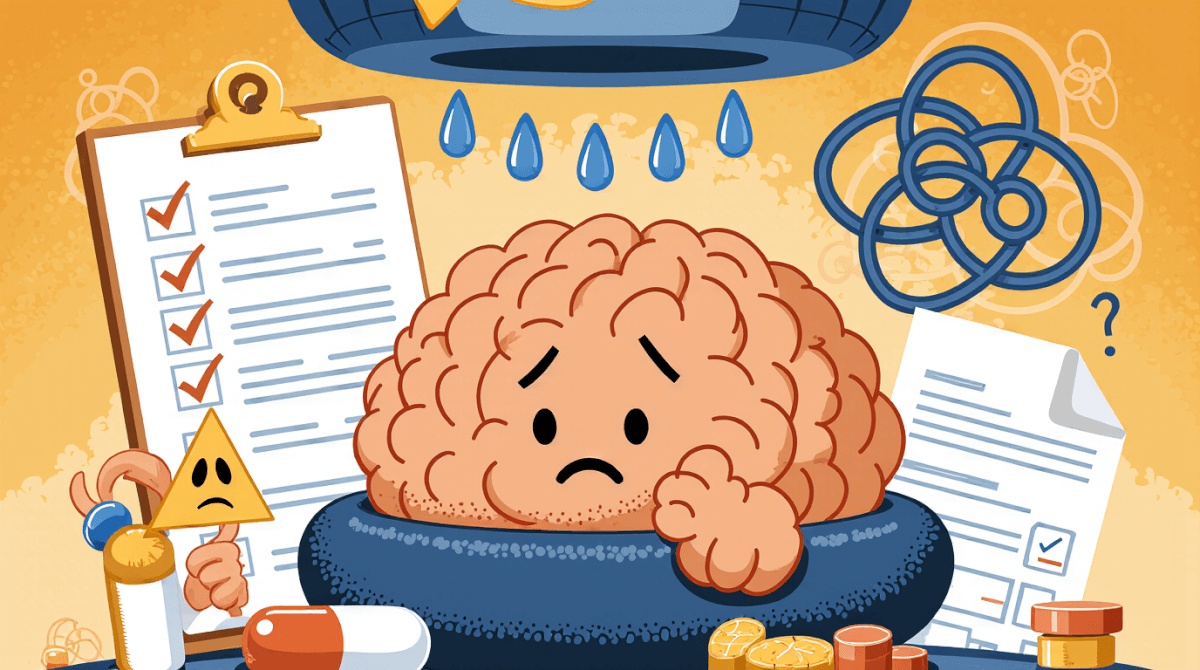
Imagine a person juggling multiple tasks simultaneously—answering emails, attending meetings, managing household chores, and responding to social media notifications. Each of these tasks requires cognitive effort and emotional energy. Over time, the cumulative effect of this constant stimulation can fragment one’s attention, making it difficult to focus on any single task effectively. The brain, like a muscle, can fatigue, leading to mental fog, irritability, and decreased cognitive performance.
The constant need to be responsive can create a cycle of heightened vigilance. This state of hyper-awareness can be exhausting and may manifest as chronic stress or anxiety. A person might find themselves constantly anticipating what tasks or notifications will come next, leading to a state of constant readiness that is both physically and mentally draining. This heightened state of alertness can disrupt the body’s natural rhythms, making it harder to relax and sleep soundly.
Emotional neglect is another critical aspect of this burden. When one is perpetually focused on external demands, there may be little time or energy left for emotional well-being. The self becomes secondary to the tasks at hand, leading to a lack of self-care and self-reflection. This neglect can erode self-esteem and create a sense of disconnection from one’s own feelings and needs. Someone might spend so much time worrying about meeting deadlines or pleasing others that they neglect to notice their own emotional needs, such as the desire for connection or leisure.
The continuous pressure to be responsible can also foster a culture of self-criticism and perfectionism. Individuals may set impossibly high standards for themselves, constantly seeking to excel and stay ahead. This relentless pursuit of excellence can lead to feelings of inadequacy when expectations are not met, creating a cycle of self-doubt and stress. The internal critic becomes a constant companion, whispering doubts and criticisms that can erode confidence and mental resilience.
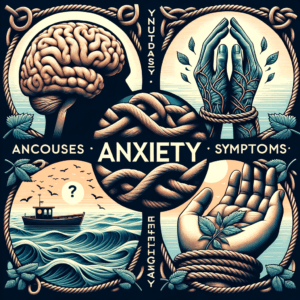
The psychological impact of these patterns is evident in the symptoms they produce. Chronic stress can lead to physical symptoms such as headaches, muscle tension, and digestive issues. Emotional exhaustion can result in feelings of burnout, where the individual feels emotionally drained and disconnected from their work or personal life. Sleep disturbances are common, as the brain struggles to disengage from constant mental activity, leading to difficulty falling asleep or staying asleep.
Awareness is the first step in understanding and addressing these challenges. Recognizing the signs of overburdening oneself—such as irritability, physical tension, or a sense of being perpetually stressed—can help identify when it might be time to take a step back. Mindfulness practices can be particularly beneficial, offering tools to observe one’s thoughts and emotions without judgment. Simple activities such as deep breathing, meditation, or short walks in nature can provide moments of respite and help recalibrate the mind and body.
Setting boundaries is crucial for managing the burden of constant responsibility. This involves learning to say no when necessary, prioritizing tasks effectively, and carving out dedicated time for rest and leisure activities. While it may be challenging at first, establishing these boundaries can lead to a significant improvement in overall well-being. Setting aside specific times for checking emails or social media, rather than doing so throughout the day, can help manage the constant flow of stimuli.
The burden of constant responsibility is a complex phenomenon that affects not just productivity but also mental and emotional health. The continuous demand on attention and emotional resources can lead to a range of psychological symptoms, including heightened stress, emotional neglect, and self-criticism. By fostering awareness of these patterns and implementing strategies such as mindfulness and boundary-setting, individuals can begin to alleviate the strain and find a more balanced approach to managing their responsibilities. This journey towards greater mental health is not about perfection but about recognizing and nurturing the needs of the whole self.