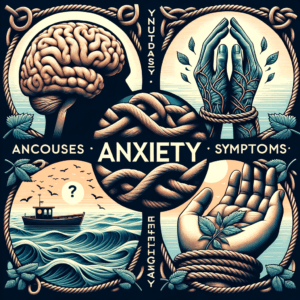
Mental overload is one of the primary consequences of suppressed trauma. The human brain has a limited capacity to process information and emotions, especially when dealing with intense or disturbing events. When trauma is not addressed, it can gradually accumulate in the subconscious, creating a mental burden that becomes increasingly difficult to carry. This mental strain can manifest in various forms—such as constant anxiety, irritability, or a general feeling of unease. These symptoms can be so pervasive that they interfere with daily functioning, making it challenging to focus on work or engage in social activities.
Attention is another crucial aspect affected by suppressed trauma. The brain naturally seeks to protect itself from overwhelming stimuli, and when trauma is present but unaddressed, the mind can become preoccupied with past events or future fears. This preoccupation can make it difficult to pay attention to the present moment. Someone might find themselves constantly reliving a traumatic event in their mind, which can fragment their ability to concentrate on tasks at hand. This process is akin to a computer running numerous programs simultaneously, each competing for processing power; eventually, the system becomes bogged down and less efficient.
Emotional neglect during childhood or in early life can further exacerbate the effects of suppressed trauma. When an individual lacks the emotional support needed to process and understand their experiences, they may develop a sense of emotional disconnection. This disconnection can lead to difficulties in forming healthy relationships later in life, as well as challenges in expressing emotions openly. Over time, this can result in a cycle of emotional numbness or hyper-vigilance, where one is either emotionally shut down or overly reactive, neither of which contribute to psychological well-being.
Rest and recovery are vital for managing the emotional cost of suppressed trauma. Just as physical rest allows the body to heal, mental and emotional rest allows the psyche to process and integrate experiences. When trauma is not addressed, individuals may find it challenging to achieve true rest. The mind remains in a state of heightened alertness, making it difficult to experience deep relaxation or sleep. Chronic lack of rest can lead to physical and mental exhaustion, further compounding the emotional burden.
Boundaries are essential in managing the effects of suppressed trauma. Setting clear boundaries around what one is willing to expose themselves to and how much they are willing to engage with their past can be a crucial step in protecting one’s mental health. Boundaries might include avoiding triggering situations or people, setting limits on the amount of time spent reflecting on traumatic events, and seeking support from trusted individuals or professionals. These boundaries can help create a safe space for healing and prevent the trauma from continually reemerging.
Reflection is another key component in addressing the emotional cost of suppressed trauma. Engaging in regular reflection, whether through journaling, therapy, or other means, can provide a structured way to explore and process experiences. Reflection allows individuals to gain perspective on their feelings and reactions, fostering a deeper understanding of themselves and their emotional landscape. This process can be both therapeutic and empowering, as it helps integrate fragmented pieces of the self and promotes psychological integration.
Signals of suppressed trauma can be subtle but are often present in one’s inner state. Chronic fatigue, unexplained anxiety, recurring nightmares, or sudden emotional outbursts can all indicate the presence of unprocessed trauma. These signals are not mere coincidences but rather indicators that the body and mind are struggling to cope with unresolved emotions. Recognizing these signs is the first step toward addressing the underlying issues.
Patterns in behavior can also provide insight into the impact of suppressed trauma. Someone who consistently withdraws from social interactions might be doing so as a protective measure against emotional pain. Alternatively, a person who engages in risky behaviors or substance use might be using these as coping mechanisms to numb feelings related to their past experiences. Identifying these patterns can help individuals understand the root causes of their behaviors and begin the journey toward healing.
The emotional cost of suppressed trauma is a significant factor in mental health, influencing everything from attention and rest to relationships and self-awareness. While the effects can be deeply complex and pervasive, recognizing the signs and understanding the underlying mechanisms is a crucial first step. By fostering an awareness of these internal processes, individuals can begin to navigate the challenges posed by unprocessed trauma and work towards greater psychological well-being.
Related Reading
– Robert Sapolsky – Why Zebras Don’t Get Ulcers
– Aaron T. Beck – Cognitive Therapy and the Emotional Disorders