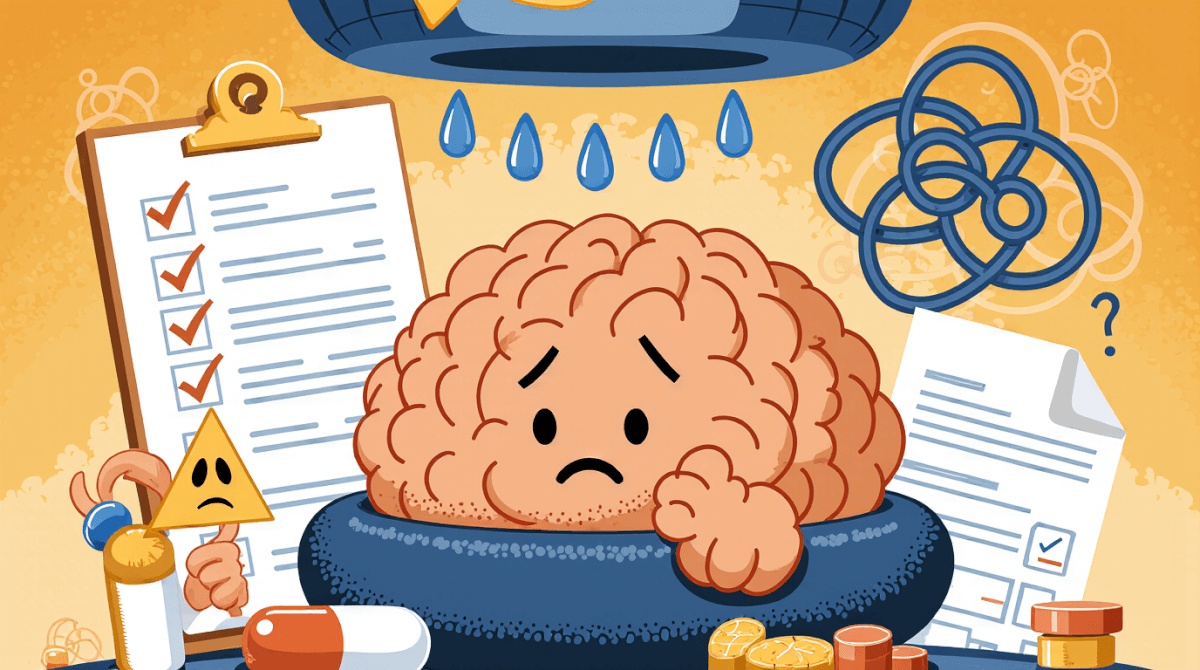
Mental overload can occur when the brain is pushed beyond its natural limits, leading to a state of chronic stress. This condition is characterized by a heightened state of vigilance and a constant sense of unease. As the mind struggles to keep up with the demands placed upon it, it may become increasingly focused on potential threats, no matter how small or unlikely they are. Someone might experience irrational fears about being late for a meeting, worrying incessantly about every second, only to arrive well ahead of time. This type of hyper-vigilance can be exhausting and debilitating, making it difficult to engage in other activities with the same intensity.
Attention is a precious resource that can be easily depleted by constant distractions. In today’s digital age, the average person is bombarded with notifications from social media, emails, and instant messages. Each new alert competes for the brain’s attention, fragmenting what was once a unified flow of thought. This fragmentation makes it harder to sustain focus on any single task for extended periods, leading to a feeling of mental exhaustion. The more the mind is divided among multiple sources of stimulation, the less able it is to process information effectively or manage stress. This phenomenon can be seen in the way individuals might compulsively check their phones, not just for important messages but out of an irrational fear that something urgent will be missed.
Emotional neglect, can contribute to the development of irrational fears by depriving the individual of necessary emotional support and self-reflection. When the mind is preoccupied with external demands, it may fail to address internal needs such as self-care, emotional processing, and psychological resilience. This neglect can manifest in a variety of ways—perhaps someone spends long hours at work or in social media, leaving no time for personal reflection or nurturing relationships. Without adequate emotional support, the brain may become more susceptible to irrational fears, as it lacks the coping mechanisms needed to process and resolve underlying issues.
The psychological strain of these conditions can be felt on multiple levels. On a physiological level, chronic stress can lead to a host of physical symptoms such as headaches, digestive problems, and even cardiovascular issues. These physical manifestations further compound the sense of mental and emotional distress, creating a vicious cycle that is difficult to break. On an emotional level, irrational fears can rob individuals of joy and contentment, reducing their capacity for happiness and satisfaction in everyday life. Even when external pressures are not present, the lingering fear can create a pervasive sense of anxiety and unease.
Attention, rest, boundaries, and reflection are crucial components in managing the impact of irrational fears. Attention is the first step—being aware of when one’s mind is being pulled in too many directions and recognizing the signs of mental overload. This awareness can be cultivated through mindfulness practices such as meditation or journaling, which encourage focused attention on the present moment. Rest, both physical and mental, provides a necessary respite from the constant demands placed on the brain. Engaging in activities that promote relaxation, such as reading, taking walks, or engaging in hobbies, can help reduce stress levels and improve overall well-being. Boundaries, whether they are set with others or oneself, are essential for establishing limits on external stimuli and internal distractions. Setting clear parameters around time management, social interactions, and technology use can create a healthier environment for the mind.
Reflection is perhaps the most powerful tool in this arsenal. Taking regular time to reflect on one’s thoughts, emotions, and experiences can provide valuable insights into patterns of irrational fear. This practice involves looking inward, acknowledging feelings without judgment, and exploring underlying causes of anxiety. Through reflection, individuals may begin to understand the roots of their fears and develop strategies to address them constructively. Someone who experiences fear of failure might reflect on past successes and failures, recognizing that while failure can be painful, it is also an opportunity for growth and learning.
When irrational fears take over, they can significantly impact one’s quality of life, creating a cycle of stress, anxiety, and mental exhaustion. The modern world, with its relentless demands and constant stimulation, only adds to this challenge. By recognizing the signals of mental overload, setting boundaries, engaging in restful activities, and practicing reflection, individuals can begin to regain control over their minds and emotions. This process is not easy, but by fostering awareness and developing healthy coping mechanisms, it is possible to navigate the complex landscape of irrational fears and find greater peace and contentment in daily life.