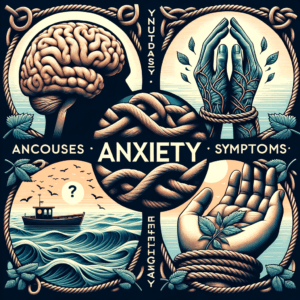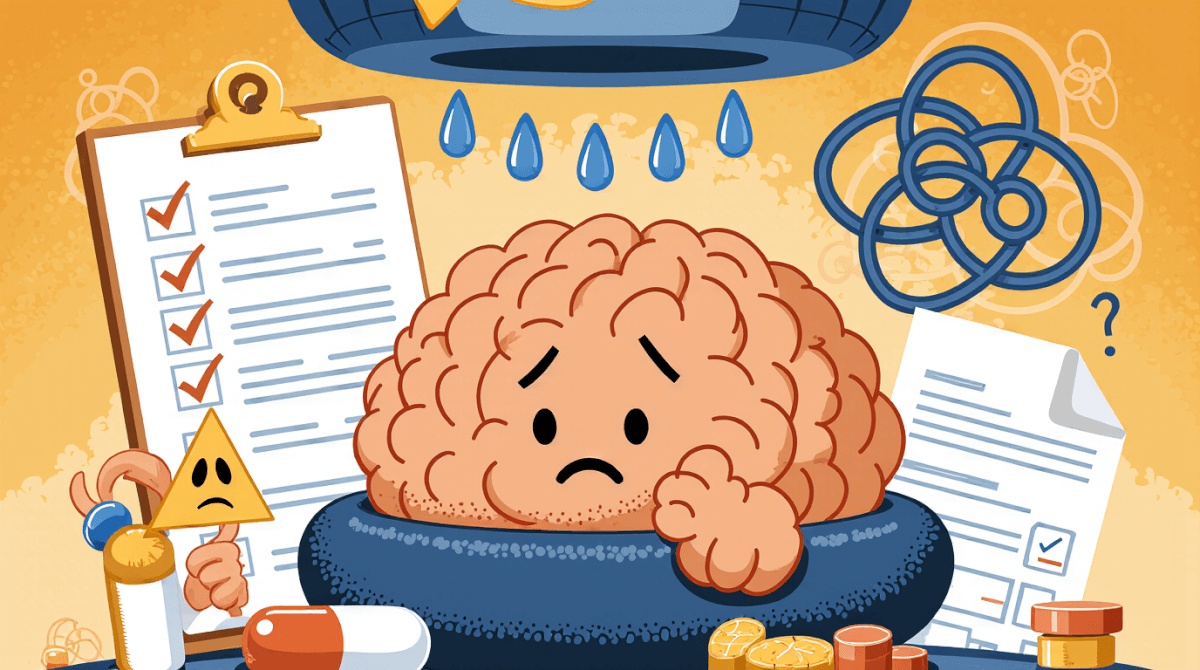
At its core, internal conflict manifests as a battle between different parts of oneself—wishes, fears, desires, and responsibilities—that are in perpetual tension. This never-ending conflict can be exhausting and debilitating, as it leaves no respite for the mind to find peace or clarity. The nature of this internal conflict is often fragmented; thoughts and emotions ricochet through the mind without resolution, creating a sense of being pulled in multiple directions simultaneously.
Mental overload occurs when the brain is overwhelmed by too much information, too many demands, or too many unresolved issues. In such states, the mind struggles to process even simple tasks, let alone complex decisions. This overload can stem from a variety of sources, including work stress, personal relationships, financial worries, or external events that are beyond one’s control. The brain, in an attempt to cope with this excess, may fragment thoughts and emotions into smaller, more manageable pieces. This fragmentation often results in a sense of disconnection from oneself and the world around.
Constant stimulation is another factor that can contribute to the never-ending internal conflict. Modern life is characterized by relentless digital and social media presence, which bombard the senses with constant notifications, updates, and demands for attention. This barrage of information can be overwhelming, leaving the mind little time or space to reflect on deeper issues or emotions. The brain, like a computer running too many programs at once, becomes sluggish and confused, leading to a state where the mind is perpetually in a state of high alert.
Emotional neglect exacerbates this situation by denying the individual the opportunity to process and understand their feelings. When emotions are consistently suppressed or ignored, they build up over time, eventually erupting in unpredictable ways. The mind becomes a battleground between these unprocessed emotions, leading to cycles of anxiety, depression, and anger that never fully resolve. This neglect can manifest in various ways; someone who has been taught to suppress their emotions might find themselves constantly feeling “off” or “angry” without understanding the source of these feelings.
The impact of these factors on well-being is profound. Attention, rest, boundaries, and reflection are crucial for managing internal conflict but often neglected in today’s fast-paced world. Attention, when properly directed, allows the mind to focus on tasks and emotions with clarity and purpose. Constant distraction and multitasking can fragment attention, making it difficult to sustain focus or engage deeply with any single task or thought. Rest, both mental and physical, is essential for the brain to recover from the daily onslaught of information and emotions. Sleep, in particular, plays a critical role in emotional regulation and cognitive function.
Boundaries are another key factor. Setting limits on what one takes on and who one interacts with can prevent the mind from being overloaded. Boundaries help create space for reflection and personal growth, allowing the individual to engage with their thoughts and emotions without feeling overwhelmed. Without these boundaries, the mind becomes a chaotic jumble of competing demands and unprocessed feelings.
Reflection is perhaps the most important aspect of managing internal conflict. It involves taking the time to examine one’s thoughts, feelings, and actions. This process can be uncomfortable, as it often reveals aspects of oneself that are difficult to confront. Yet, through reflection, individuals can gain insight into the root causes of their internal conflicts and develop strategies for coping with them. Recognizing patterns in one’s thinking or emotional responses can lead to more effective ways of managing stress and anxiety.
The signals of internal conflict that never settle are often subtle but unmistakable. These might include a persistent sense of unease or restlessness, frequent feelings of being overwhelmed or exhausted, and difficulty making decisions. Patterns such as rumination—repeatedly dwelling on the same thoughts or worries—can also be indicative of unresolved internal conflicts. Inner states characterized by heightened emotions, such as sudden bursts of anger or sadness, might suggest that underlying issues are not being properly addressed.
Understanding these inner states is crucial for recognizing when one is experiencing internal conflict that never settles. Awareness of the signals and patterns can help individuals take steps to manage their mental health more effectively. Setting aside time each day for quiet reflection, engaging in activities that promote mindfulness or relaxation, and seeking support from trusted friends or professionals can all be beneficial.
In the end, while the experience of internal conflict that never settles can be profoundly challenging, it is not without hope. By recognizing the mechanisms at play—mental overload, constant stimulation, emotional neglect—and working to address them through attentive care and self-reflection, individuals can begin to find a sense of peace and clarity. The journey may be long and difficult, but with persistence and self-compassion, it is possible to navigate the stormy waters of the mind and achieve a more harmonious inner landscape.
Related Reading
– Stephen Porges – The Polyvagal Theory
– Peter Levine – Waking the Tiger