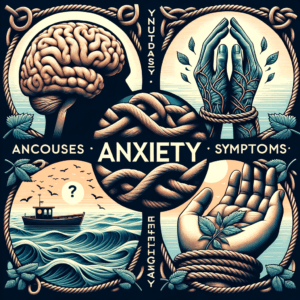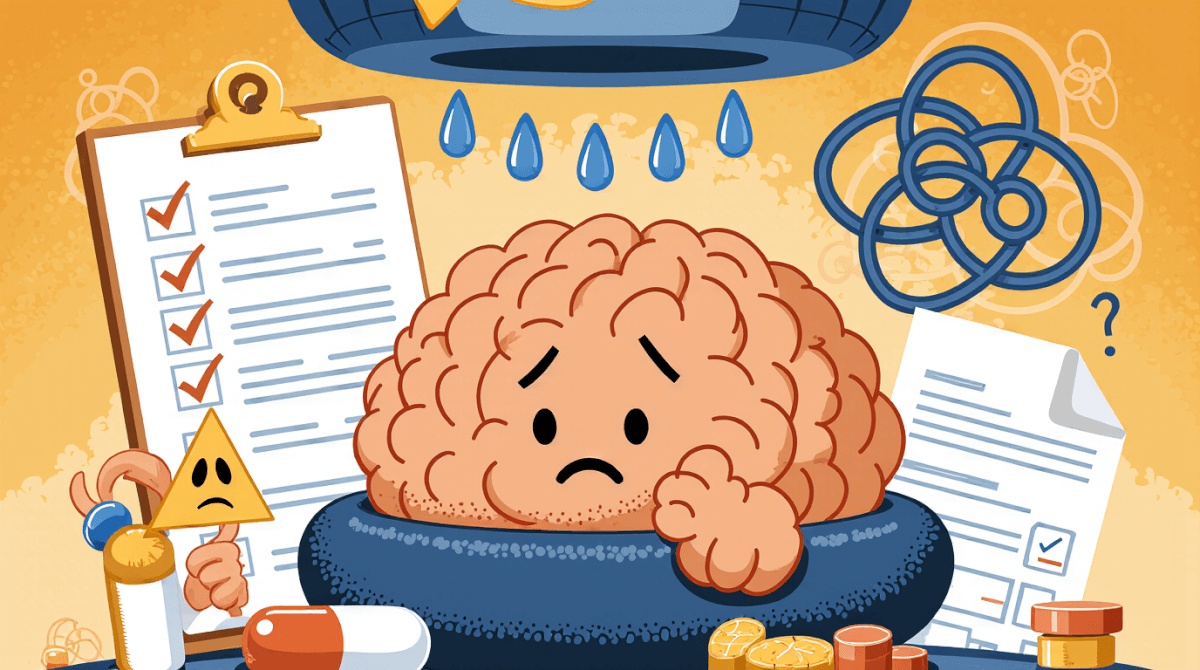
Mental overload occurs when we are bombarded with a relentless stream of stimuli—emotional, cognitive, or sensory—that our mind struggles to process. Imagine standing in a busy street where every second is filled with sights, sounds, and interactions, each one demanding a response or interpretation. In such a scenario, the mind’s capacity for processing and responding becomes strained, leading to a state of constant alertness. This heightened state can exhaust cognitive resources, making it difficult to concentrate on tasks or engage in meaningful reflection.
Constant emotional stimulation, whether positive or negative, can have a similar effect. Consider a professional environment where every interaction is charged with stress, anxiety, or joy. The mind may find it challenging to distinguish between these emotions, leading to a state of emotional fatigue. Over time, this continuous exposure to emotionally charged situations can deplete the brain’s ability to regulate emotions effectively, making it harder to maintain emotional balance.
Emotional neglect, often a product of suppressing feelings, can lead to a deeper sense of disconnection from one’s own inner life. When individuals avoid or deny their emotions, they may find themselves disconnected from their true feelings and experiences. This disconnection can manifest as a lack of empathy towards oneself, leading to a diminished ability to understand and respond to personal needs and emotions.
The psychological strain of unprocessed emotions is not just about the absence of processing but also the impact of this absence on our overall mental health. When we fail to address our feelings, they can become like a hidden burden, slowly eroding our psychological resilience. The mind, in an attempt to cope with these unexpressed emotions, may develop mechanisms such as denial, avoidance, or compartmentalization. These strategies, while serving a temporary purpose, can ultimately lead to a sense of inner turmoil and conflict.
Attention, is a critical component in managing the toll of unprocessed emotions. The human mind thrives on periods of rest and reflection, much like a muscle that needs time to recover after exercise. Regular moments of quiet or solitude can provide the necessary space for emotions to be acknowledged and processed. During these times, individuals may find themselves revisiting past experiences, exploring their feelings, and gaining deeper insights into their emotional landscape.
Rest, whether physical or mental, is essential for emotional well-being. Just as our bodies require sleep to repair and rejuvenate, our minds need similar periods of respite to process and integrate the day’s experiences. This rest allows us to re-center and regain a sense of balance, making it easier to navigate the complexities of daily life.
Boundaries, too, play a crucial role in protecting us from the constant onslaught of emotions. Setting limits on how much we engage with emotionally charged situations or interactions can prevent mental overload. By defining clear boundaries, individuals can create space for emotional regulation and self-care, reducing the risk of emotional exhaustion.
Reflection is another key mechanism that helps mitigate the toll of unprocessed emotions. Through thoughtful introspection, individuals can gain a clearer understanding of their feelings and the root causes of emotional distress. This process can be as simple as journaling about daily experiences or engaging in mindfulness practices that encourage present-moment awareness. By reflecting on their emotions, people can begin to make sense of their inner world, fostering a greater sense of self-awareness.
Awareness, in this context, is not just about recognizing the presence of unprocessed emotions but also understanding how they impact our daily lives. Someone who constantly suppresses anger may find themselves reacting impulsively in stressful situations, leading to conflicts and regrets. By becoming aware of these patterns, individuals can take steps to address the underlying emotional issues, thereby reducing the strain on their mental resources.
The mechanisms by which unprocessed emotions affect well-being are not merely psychological but also social. These feelings can influence our relationships and interactions with others, often leading to misunderstandings or conflicts. A person who struggles with unprocessed sadness might withdraw from social situations, feeling misunderstood and alone. This withdrawal can exacerbate feelings of isolation and loneliness, further depleting emotional reserves.
The toll of unprocessed emotions is a complex and multifaceted issue that impacts our mental health on both individual and societal levels. By recognizing the subtle yet profound effects of unexpressed feelings, we can begin to appreciate the importance of attentive care for our emotional well-being. Through regular moments of rest, setting boundaries, and engaging in reflective practices, individuals can mitigate the psychological strain of unprocessed emotions, fostering a healthier and more balanced inner life.
Related Reading
– Peter Levine – Waking the Tiger
– Allan Schore – Affect Dysregulation and Disorders of the Self