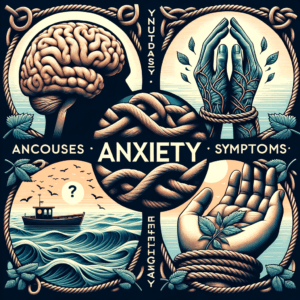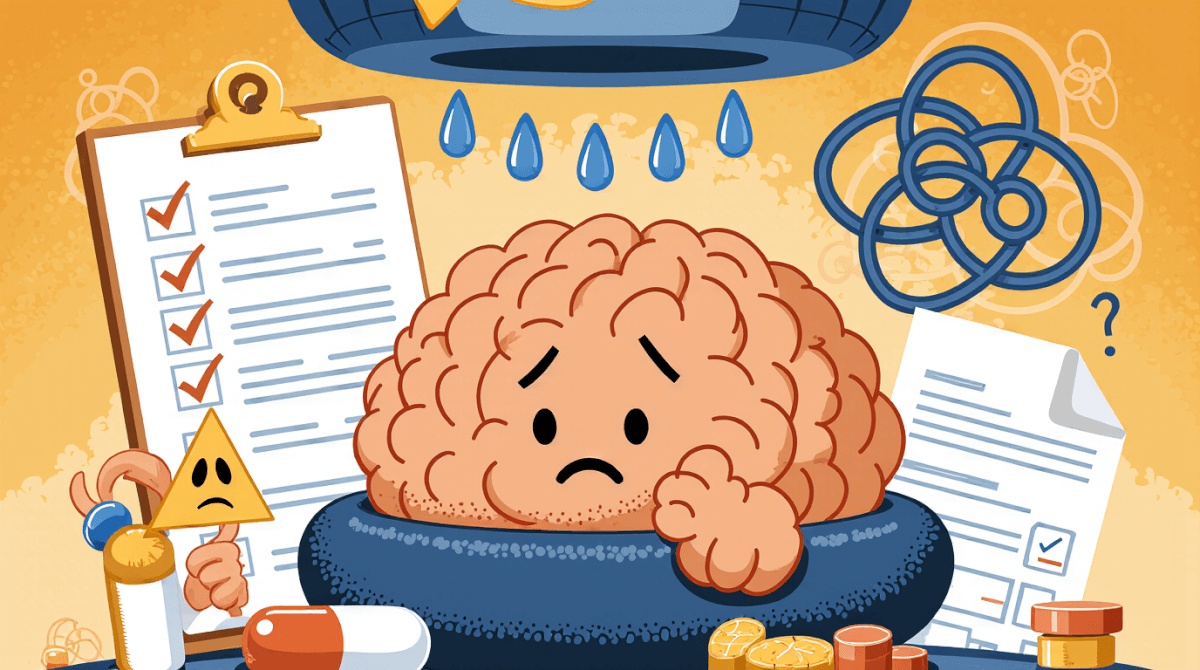
Perfectionism, often seen as a relentless pursuit of flawlessness, can impose a heavy burden on mental health, leading to a range of psychological strains that can manifest in various ways. At its core, perfectionism is driven by an intense fear of failure or making mistakes, which can push individuals to engage in continuous self-evaluation and self-criticism. This ongoing process can result in a state of constant mental overload, where the mind is perpetually engaged in assessing performance, anticipating future failures, and berating perceived shortcomings.
One of the key mechanisms through which perfectionism exerts its strain is by fragmenting attention. When someone is overly focused on achieving perfection, their attention becomes narrowly directed towards tasks or goals, often at the expense of broader cognitive processes. This can lead to a phenomenon known as “tunnel vision,” where a person may become so absorbed in the minutiae of their work that they lose sight of the bigger picture. Research has shown that this hyper-focus can result in reduced capacity for creative thinking and problem-solving, as the mind is preoccupied with maintaining a flawless performance.
The constant demand for perfection can lead to emotional neglect. Individuals who are perfectionists may suppress their emotions, fearing that expressing vulnerability or imperfection will be seen as weakness. This suppression can result in a heightened state of anxiety and stress, as emotions are not allowed to surface and be addressed. Over time, this emotional numbing can contribute to feelings of isolation and disconnection from oneself and others, exacerbating mental health issues.
Perfectionism also tends to create a cycle of self-imposed pressure and self-criticism. The relentless pursuit of perfection sets a standard that is almost impossible to meet, leading to chronic dissatisfaction with one’s efforts. This can result in a pattern of “all or nothing” thinking, where any shortcoming is magnified into a major failure. Over time, this cycle can erode self-esteem and confidence, as the individual internalizes the belief that they are not good enough. The constant self-criticism can further exacerbate anxiety and depression, creating a feedback loop of negative emotions.
Attention to detail, while initially seen as a positive trait, can become a source of significant strain when it leads to perfectionism. The meticulousness required for perfectionism often means that every task is approached with the same level of scrutiny, regardless of its importance or context. This can lead to a state of mental exhaustion, where the mind becomes overwhelmed by the sheer volume of information and the need to constantly evaluate and improve. The result is a relentless cycle of striving for excellence, which can deplete energy reserves and undermine overall well-being.
Rest and relaxation are critical components of mental health, yet they are often neglected by those who are perfectionists. The constant drive to achieve and improve means that there is little room for rest or downtime. This can lead to a state of chronic stress, where the mind remains perpetually on edge, waiting for the next task or challenge. Over time, this can result in physical and mental burnout, as the body and mind are pushed beyond their limits without adequate recovery.
Boundaries are also essential for maintaining mental health, yet they are often difficult to establish for perfectionists. The fear of failure or making mistakes can lead individuals to take on more responsibilities than they can handle, blurring the lines between work and personal life. This can result in a state of constant stimulation, where there is no respite from the demands placed on the individual. The inability to disconnect can further exacerbate feelings of overwhelm and stress, as the mind remains engaged in the pursuit of perfection even outside working hours.
Reflection, a process that allows for self-awareness and understanding, is often hindered by perfectionism. The constant focus on external goals and achievements leaves little time or space for introspection. This can result in a lack of clarity about one’s true values and desires, leading to a sense of disconnection from oneself. Without this internal reflection, individuals may find it challenging to identify when their perfectionistic tendencies are impacting their well-being, making it difficult to take meaningful steps towards change.
The strain of perfectionism on mental health can be subtle yet pervasive, affecting every aspect of an individual’s life. The constant mental and emotional demands can create a sense of living in a state of perpetual tension, where the mind is always on high alert. This heightened state of arousal can make it difficult to relax or enjoy simple pleasures, as the pursuit of perfection becomes a relentless focus. Over time, this can lead to a cumulative psychological strain that impacts both mental and physical health.
Understanding these mechanisms can help individuals recognize the subtle signals of perfectionism and its impact on mental health. By acknowledging the ways in which perfectionism can fragment attention, create emotional neglect, and perpetuate cycles of self-criticism, individuals may begin to see the need for a more balanced approach to achievement. Recognizing the importance of rest, boundaries, and reflection is crucial for developing a healthier relationship with one’s goals and aspirations.
The strain of perfectionism on mental health is a complex and multifaceted issue that affects not only the mind but also the body. By understanding the mechanisms through which perfectionism exerts its influence, individuals can begin to navigate the challenges it presents, fostering a more balanced and fulfilling life.
Related Reading
– Irvin Yalom – Existential Psychotherapy
– Jon Kabat-Zinn – Full Catastrophe Living