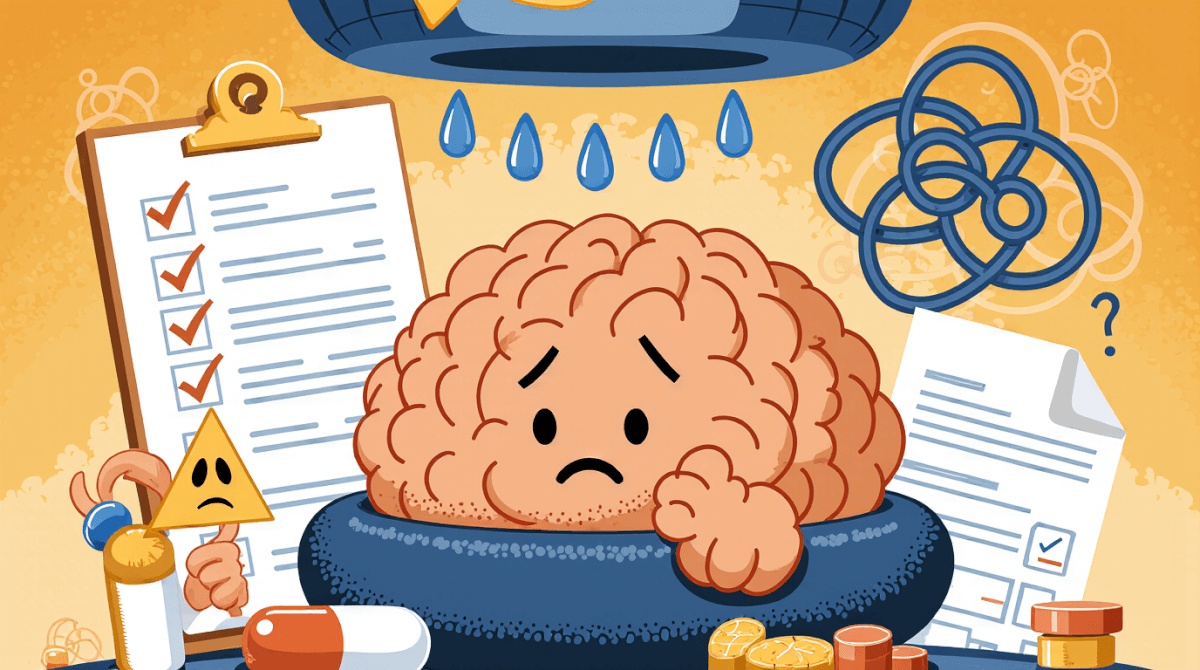
Mental overload can be seen as an accumulation of cognitive demands that exceed one’s capacity to process them effectively. This state is often characterized by a relentless stream of tasks, problems, and decisions, which deplete mental resources. The brain is like a muscle; it requires recovery time to return to its optimal functioning state. When this recovery does not occur, the cognitive strain continues to build, leading to fatigue and decreased performance. Imagine trying to juggle multiple projects with tight deadlines; over time, the act of juggling becomes more challenging, and the effort required to maintain balance increases.
Constant stimulation exacerbates the issue by continually dividing attention. Modern life is saturated with notifications, social media updates, and constant information streams. Each new notification requires a brief moment of attention, fragmenting what could be focused, restorative moments. This continuous distraction not only diminishes the quality of our rest but also prevents the brain from fully disconnecting and replenishing its resources. Think of trying to relax while your phone buzzes every few minutes; the constant interruptions make it difficult for the mind to truly rest and recover.
Emotional neglect, whether in a professional or personal context, can further compound the problem. When emotional needs are consistently unmet, the body remains in a state of heightened stress, even during periods intended for rest. The brain is designed to respond to threats and challenges; prolonged exposure to stressors, such as emotional neglect, can trigger the release of stress hormones like cortisol, which can deplete energy stores over time. Without addressing these underlying emotional needs, the body struggles to switch off its stress response, leading to a state where rest fails to provide the necessary relief.
The impact of these factors on well-being is profound. When rest no longer restores energy, the body and mind enter a cycle of depletion that can lead to chronic fatigue, irritability, and diminished cognitive function. The cumulative effect is a sense of perpetual exhaustion, where even the most basic tasks feel overwhelming. This state can be particularly insidious because it often goes unnoticed until the point where one feels completely drained and unable to continue.
Awareness of these patterns is crucial for understanding the nature of the problem. Noticing that you consistently feel tired despite getting enough sleep or taking breaks can be a signal that something deeper is at play. Recognizing that constant interruptions during downtime or feeling emotionally disconnected from others might be contributing factors can provide valuable insights into the root causes of the issue. By acknowledging these patterns, individuals can begin to identify areas where they need to make adjustments.
Understanding how attention, rest, boundaries, and reflection matter can provide a framework for addressing the underlying issues. Attention is a finite resource; managing it effectively ensures that cognitive efforts are directed towards what truly matters. Boundaries, both physical and emotional, help in creating spaces where rest and recovery can occur without interruption. Setting aside time for uninterrupted reading or hobbies can be particularly restorative. Reflection, allows for introspection and understanding of one’s experiences and needs. It can provide clarity on what might be causing ongoing fatigue and guide decisions on how to make necessary changes.
In practical terms, this might mean establishing a dedicated workspace free from distractions, scheduling regular breaks during workdays, and engaging in activities that genuinely restore energy, such as outdoor walks or creative pursuits. Additionally, setting boundaries with social media and digital devices can significantly improve the quality of rest periods. Recognizing emotional needs and addressing them through self-care practices can also be crucial.
The mechanisms at play are straightforward yet powerful. Continuous cognitive demands drain mental resources, while constant stimulation fragments attention. Emotional neglect keeps the body in a state of heightened stress, further depleting energy stores. When these factors converge, the typical restorative process is disrupted, leading to persistent fatigue and diminished well-being.
This phenomenon underscores the importance of understanding one’s individual patterns and needs. By paying close attention to how rest and recovery are experienced, individuals can gain insights into their own mental and emotional landscapes. This awareness can foster a more nuanced approach to self-care, recognizing that true restoration often requires addressing multiple aspects of well-being simultaneously.
When rest no longer restores energy, it reflects a complex interplay of mental overload, constant stimulation, and emotional neglect. By acknowledging these factors and understanding the mechanisms at play, individuals can begin to identify the underlying causes of their ongoing fatigue and take steps towards a more balanced and restorative approach to life.