The constant comparison that pervades modern life can create a subtle yet persistent mental strain, affecting one’s sense of self and emotional well-being. This phenomenon, often invisible yet pervasive, is a result of the endless comparison loop facilitated by social media, digital communication, and ubiquitous access to curated, highlight-reel versions of others’ lives. The mental impact of this constant comparison can be profound, leading to a state of perpetual alertness that depletes one’s emotional resources.
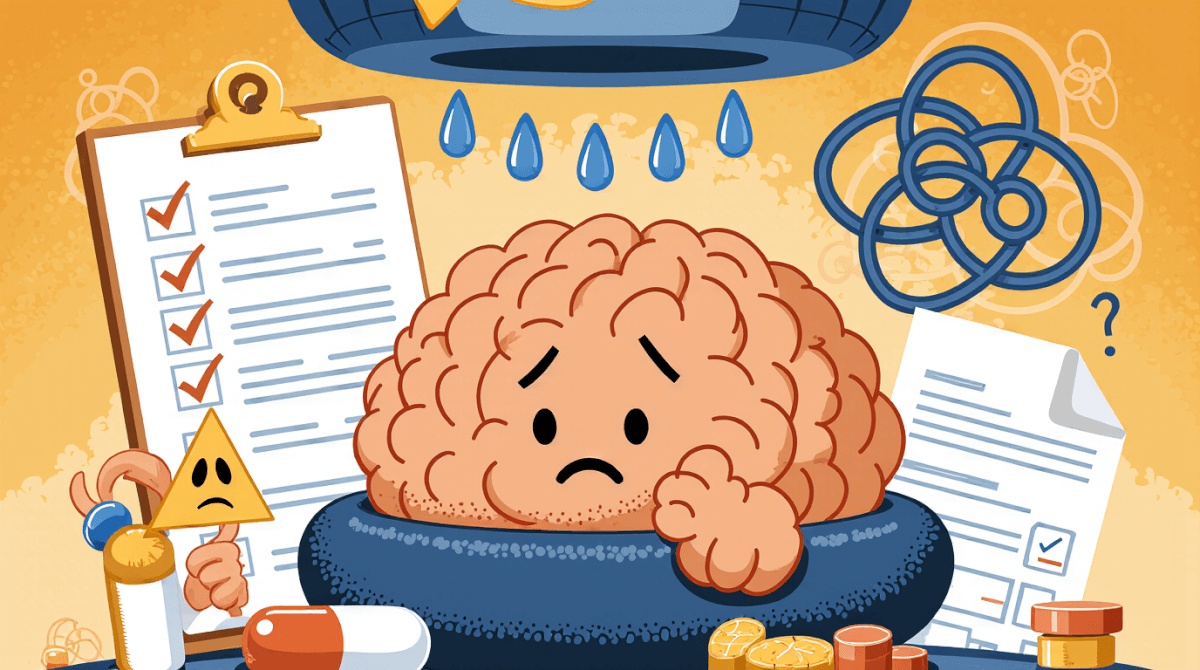
At its core, constant comparison is about the continuous assessment of one’s own life against an external, often unattainable standard. This standard might be the seemingly perfect images shared by friends, acquaintances, or even strangers on social media platforms. The brain, wired to seek out information and assess situations, is constantly scanning for these comparisons, creating a cycle that can be exhausting. Each comparison, whether positive or negative, triggers a response in the brain, typically involving the release of stress hormones such as cortisol. Over time, this can lead to heightened anxiety and a diminished sense of self-worth.
The impact of such constant comparison is not just psychological; it can also manifest in physical symptoms. Chronic stress from prolonged exposure to these comparisons can weaken the immune system, affect sleep patterns, and contribute to a variety of health issues. The constant need to keep up with or outdo others can create a state of hypervigilance where one remains constantly on edge, always ready to measure and adjust their actions based on external validation.
One key mechanism at play is the fragmentation of attention. When the brain is constantly scanning for comparisons, it is unable to fully engage in the present moment. This can lead to a kind of mental restlessness, where one feels like they are always in a state of half-hearted engagement with whatever task or interaction they are currently involved in. This state of fragmented attention can make it difficult to concentrate on tasks, leading to decreased productivity and increased feelings of frustration.
The emotional toll of this constant comparison is significant. The fear of not measuring up, the anxiety of missing out, and the persistent need for external validation can create a pervasive sense of inadequacy. These emotions, often experienced at a subliminal level, contribute to a general state of dissatisfaction with one’s life and self. This can lead to a cycle where individuals feel compelled to compare themselves further, seeking validation and reassurance in the wrong places.
Socially, the impact of constant comparison is also profound. It can foster a culture of competition and envy, where individuals are more focused on what others have or are doing rather than on their own paths and goals. This can lead to a breakdown in genuine connections and empathy, as people become preoccupied with their own perceived shortcomings and the achievements of others.
Awareness of these mechanisms is crucial. By recognizing the constant comparison cycle for what it is—incessant, often unconscious, and potentially harmful—it becomes possible to start addressing its effects. Attention to one’s mental and emotional state, regular reflection on personal values and goals, and setting clear boundaries in social media use can all contribute to breaking the cycle. Rest and relaxation are essential, allowing the brain to process information without constant stress. Encouraging a culture of authenticity and self-acceptance can also help shift the focus away from external validation and towards inner satisfaction.
The mental impact of constant comparison is a lived human experience that can significantly affect one’s emotional and psychological well-being. It involves a complex interplay of mechanisms, including the fragmentation of attention, the release of stress hormones, and the fostering of a culture of competition. By understanding these processes, individuals can begin to navigate the challenges they present, fostering a more balanced and fulfilling life.