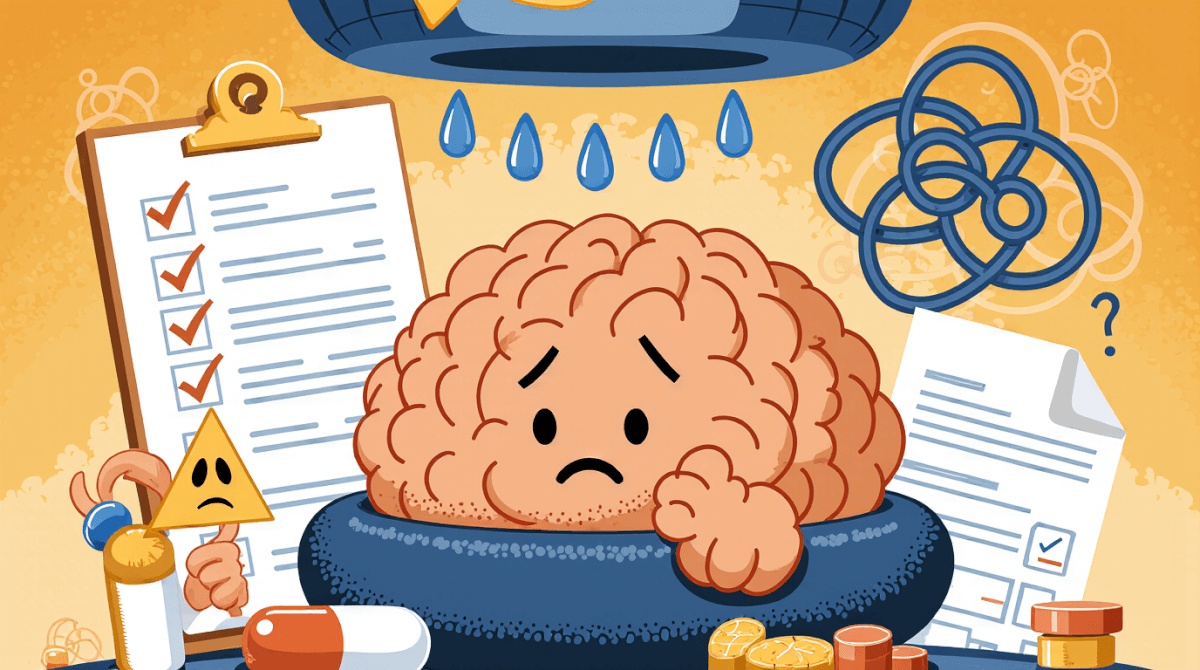
Mental overload occurs when the brain is repeatedly exposed to a high volume of information, tasks, or responsibilities, leading to a state of continuous stress. This can happen in various environments, from busy workspaces to chaotic personal lives. Someone working in a demanding job may experience a constant stream of emails, meetings, and urgent tasks, which can fragment their attention and deplete their cognitive resources. This fragmentation can make it difficult to focus on one task at a time, leading to feelings of overwhelm and emotional reactivity.
Constant stimulation, whether from social media, news, or the daily onslaught of notifications, further contributes to this state. These constant interruptions do not provide the brain with the necessary breaks to process and manage emotions effectively. When attention is continually pulled in different directions, the brain struggles to maintain a coherent sense of self and emotional stability. A study published in the journal *Nature Human Behaviour* highlights how frequent interruptions can lead to a decrease in cognitive control, making individuals more prone to emotional reactivity.
Periods of emotional neglect, where one does not receive the support or validation needed to process and express emotions, can exacerbate this reactivity. When emotions are consistently unaddressed, they may build up, becoming overwhelming when finally expressed. Emotional neglect can occur in various contexts; a child who grows up in a home where emotional expression is discouraged might develop a pattern of bottling up feelings until they feel like they burst out uncontrollably later in life.
These factors combined can create an environment where emotions are not managed effectively. The brain becomes accustomed to a state of constant stress and distraction, making it difficult to return to a baseline of calm and emotional balance. Imagine someone who has been working non-stop for several days with little time to rest or engage in activities they enjoy. When they finally have some downtime, the lack of preparation for such relaxation can lead to an emotional outburst rather than a peaceful transition.
The mechanisms involved in this reactivity are rooted in how the brain processes information and emotions. Attention is a finite resource; when it is constantly divided, it can become depleted. This depletion can lead to a state of hypervigilance, where individuals are overly sensitive to any potential stressor or emotional trigger. In such a state, even minor events can provoke intense emotional responses, leading to feelings of being overwhelmed and out of control.
Rest and reflection are crucial in managing this reactivity. When the brain has time to rest and recharge, it can process emotions more effectively. Research from the journal *Sleep* indicates that adequate sleep is essential for emotional regulation; lack of sleep can impair the ability to manage negative emotions. Similarly, engaging in reflective practices such as mindfulness meditation or journaling can provide a space for emotions to be acknowledged and processed without the need for immediate reaction.
Boundaries also play a significant role in preventing emotional reactivity from spiraling out of control. Setting clear limits on how much time one spends on certain activities, such as checking emails or social media, can help manage stress levels. Boundaries can extend to personal relationships, where setting limits on the amount of emotional engagement can prevent one from becoming overburdened.
Awareness is key in understanding and managing this reactivity. By recognizing the patterns of mental overload, constant stimulation, and emotional neglect, individuals can begin to see how these factors contribute to their emotional state. This awareness can help in making conscious choices about how to manage these influences better. Someone might decide to implement a digital detox for an hour each evening or set aside time each week to engage in activities that bring joy and relaxation.
The signals of this reactivity can be subtle but profound. They might manifest as irritability, quickness to anger, or sudden emotional outbursts. These reactions are often the brain’s way of processing overwhelming emotions and stressors. Recognizing these signals can prompt individuals to seek moments of rest and reflection, providing a pathway to manage their emotions more effectively.
Emotional reactivity that feels out of control is a complex experience influenced by mental overload, constant stimulation, and periods of emotional neglect. Understanding the psychological underpinnings of this state can help in recognizing its presence and taking steps to manage it. By focusing on attention, rest, boundaries, and reflection, individuals can navigate these challenges more effectively, leading to improved well-being and a greater sense of emotional stability.