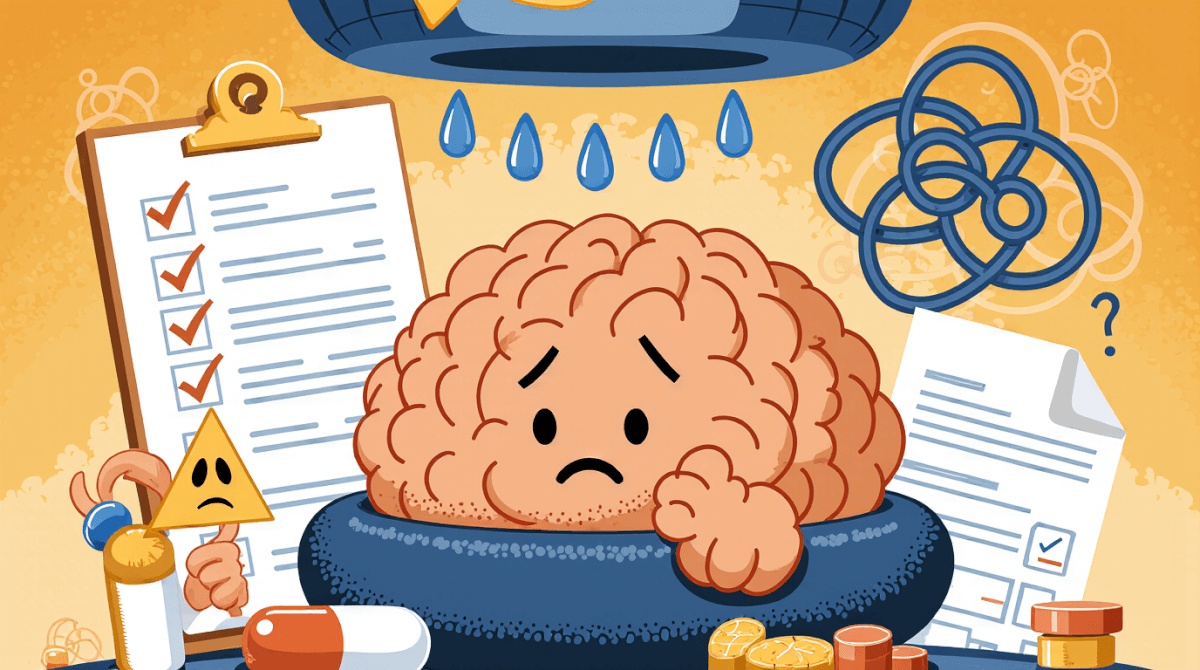
In today’s fast-paced world, people are often required to process a wide array of stimuli and emotions. This constant mental engagement can lead to a state of hyperarousal, where the brain becomes overly stimulated and less capable of handling new information or experiences. The more one suppresses emotions, the more this state can become a norm, making it harder to recognize emotional needs and appropriately respond to them. Someone who regularly suppresses feelings of sadness or anger may find it increasingly difficult to empathize with others in moments of shared distress.
Constant stimulation and multitasking, common in our modern society, further exacerbate the problem. The brain’s attention system, which is responsible for focusing on specific tasks and filtering out irrelevant information, becomes fatigued when constantly bombarded with a variety of inputs. Over time, this can lead to a diminished capacity to process emotions effectively. A person who frequently engages in rapid switching between tasks might find themselves struggling to recall important emotional events or feelings, as their brain’s ability to filter and store such information is compromised.
Emotional neglect can also play a significant role in the hidden cost of suppression. When individuals grow up in environments where emotional expression is discouraged, they may internalize the message that emotions are not worth acknowledging or addressing. As these individuals navigate their adult lives, they might find themselves struggling to connect with their own feelings and the feelings of others, leading to a sense of disconnection and isolation. In such scenarios, the lack of emotional validation can perpetuate cycles of suppression, making it more challenging to develop a healthy emotional life.
The mechanisms behind this hidden cost are rooted in the brain’s complex processes. When emotions are suppressed, the prefrontal cortex, which is responsible for higher-order cognitive functions like decision-making and self-regulation, can become overburdened. This overload can impair the brain’s ability to process and integrate emotional experiences, leading to a range of internal signals that go unnoticed. Someone who has been suppressing anger might experience frequent headaches or irritability as their body struggles to cope with unprocessed emotions.
Awareness is key to understanding these hidden costs. By recognizing the signs of emotional suppression, individuals can begin to identify and address the underlying issues. One common signal is a persistent sense of emotional numbness or detachment from one’s own feelings. This can manifest in a range of behaviors, such as consistently prioritizing work over personal relationships or avoiding situations that might trigger strong emotions. Another sign is difficulty making decisions, as the brain’s ability to process and integrate emotional information is impaired.
Patterns of thought and behavior also emerge as a result of emotional suppression. Individuals might find themselves repeatedly engaging in self-destructive behaviors, such as substance abuse or overworking, as a way to avoid dealing with underlying emotional issues. These patterns can become deeply ingrained, making it challenging to break away from them without significant effort and support.
Reflecting on these internal states is crucial for personal growth. By acknowledging the presence of suppressed emotions, individuals can begin to explore their own experiences and feelings more openly. This process can involve seeking out professional therapy or engaging in self-reflection through journaling or meditation. The goal is not to eliminate emotions but to develop a healthier relationship with them, allowing for more authentic expression and connection.
The hidden cost of emotional suppression is a nuanced and complex issue that affects many individuals without them realizing it. By recognizing the signs and patterns associated with emotional neglect and constant stimulation, individuals can begin to address the underlying issues that contribute to this hidden cost. Through increased awareness and support, it is possible to navigate these challenges more effectively, leading to a more balanced and fulfilling life.
Related Reading
– Kay Redfield Jamison – An Unquiet Mind
– Edna Foa – Prolonged Exposure Therapy for PTSD