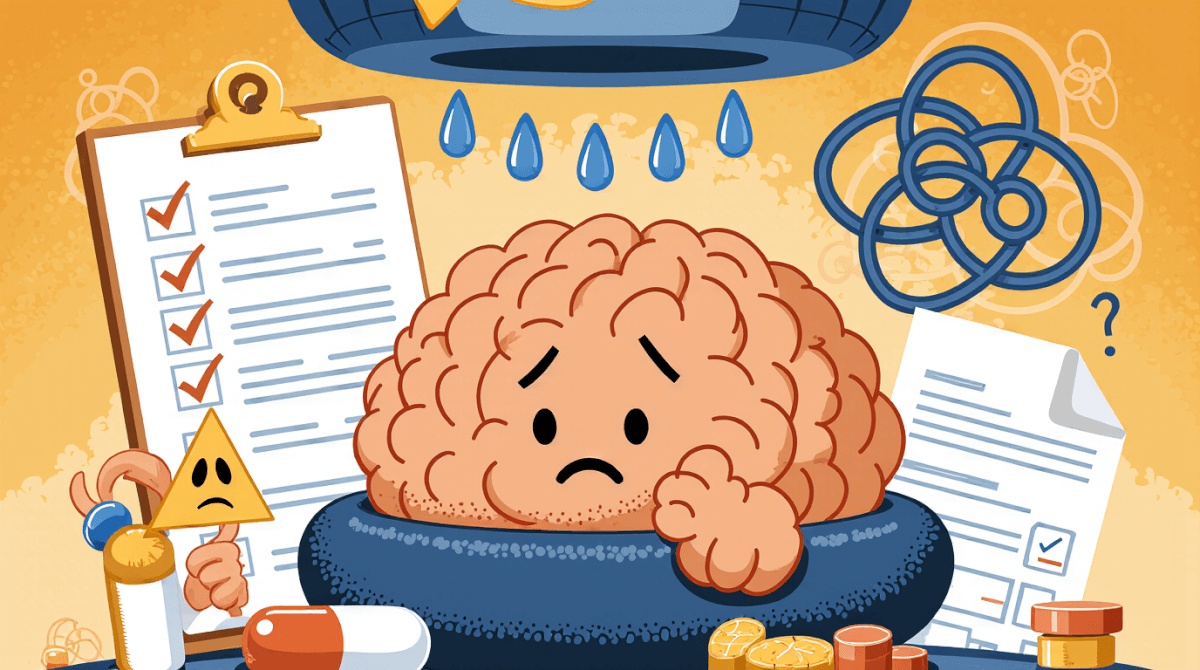
Mental overload is a direct consequence of this ongoing stress. Our brains are designed to process and integrate experiences; when faced with overwhelming trauma, this natural process can become disrupted. The brain may struggle to filter out the distressing memories and emotions, leading to a constant state of mental stimulation. This can manifest in symptoms such as intrusive thoughts or flashbacks, which serve as reminders of the traumatic events. These thoughts can be relentless, invading moments of peace and disrupting daily functioning. The brain’s preoccupation with these traumatic experiences can prevent it from fully engaging in other cognitive tasks, leading to a sense of mental fatigue and diminished capacity for concentration.
The psychological strain of trauma often extends beyond just mental overload. Emotionally, individuals may experience a range of intense and conflicting feelings—fear, anger, sadness, guilt, and shame. These emotions can be overwhelming, making it challenging to navigate even mundane tasks. The emotional neglect that may accompany traumatic experiences can further exacerbate this state. Trauma often involves a loss of connection or trust in the world, leading to a feeling of disconnection from others and oneself. This disconnection can create a void that is difficult to fill, leaving individuals feeling isolated and misunderstood.
The impact of trauma on mental health is not just about the presence of symptoms but also about the underlying vulnerabilities they reveal. Trauma can alter the way the brain processes information, making it more prone to negative thought patterns and emotional reactivity. The amygdala, which plays a crucial role in the processing of emotions and responses to stress, may become overactive. This heightened sensitivity can make individuals more susceptible to experiencing anxiety or panic attacks, even in the absence of immediate danger.
Attention, rest, and boundaries are critical in managing these challenges. The brain requires periods of calm and quiet to process and integrate experiences. When trauma disrupts this natural cycle, it becomes essential to create spaces for reflection and recovery. Mindfulness practices, such as meditation or journaling, can provide structured times for the mind to pause and reflect on the present moment, reducing the grip of intrusive thoughts. Setting boundaries around one’s environment—such as limiting exposure to triggers or creating a calming physical space—can also help in managing the emotional demands.
Rest, particularly sleep, is another cornerstone in maintaining mental health. During restful states, the brain has the opportunity to consolidate memories and emotions, helping to make sense of the day’s experiences. Chronic lack of sleep can lead to further cognitive and emotional impairments, making it difficult to cope with the residual effects of trauma. Prioritizing quality sleep through good sleep hygiene practices, such as maintaining a regular sleep schedule and creating a comfortable sleep environment, can significantly enhance one’s resilience in the face of ongoing stress.
The importance of reflection cannot be overstated. Engaging in activities that allow for introspection—such as therapy or creative expression—can provide a safe space to explore and understand one’s experiences. This process of self-exploration can foster a deeper understanding of oneself and help in developing coping mechanisms. By reflecting on past experiences, individuals can gain insights into their thought patterns and emotional reactions, allowing them to approach these challenges with greater awareness.
In the face of such profound psychological strain, it is essential to recognize that recovery is a journey. The link between trauma and mental health underscores the need for ongoing support and self-compassion. While trauma can deeply affect one’s well-being, the capacity for healing and growth remains within us. By acknowledging the impact of trauma and taking steps to support our mental and emotional health, we can begin to rebuild resilience and find a path toward a more balanced and fulfilling life.
Reflecting on this link, it becomes clear that trauma is not just an event but a complex interplay of experiences that shape the very essence of our psychological being. By understanding and recognizing these dynamics, we can better navigate the challenges they present and foster a greater sense of well-being.