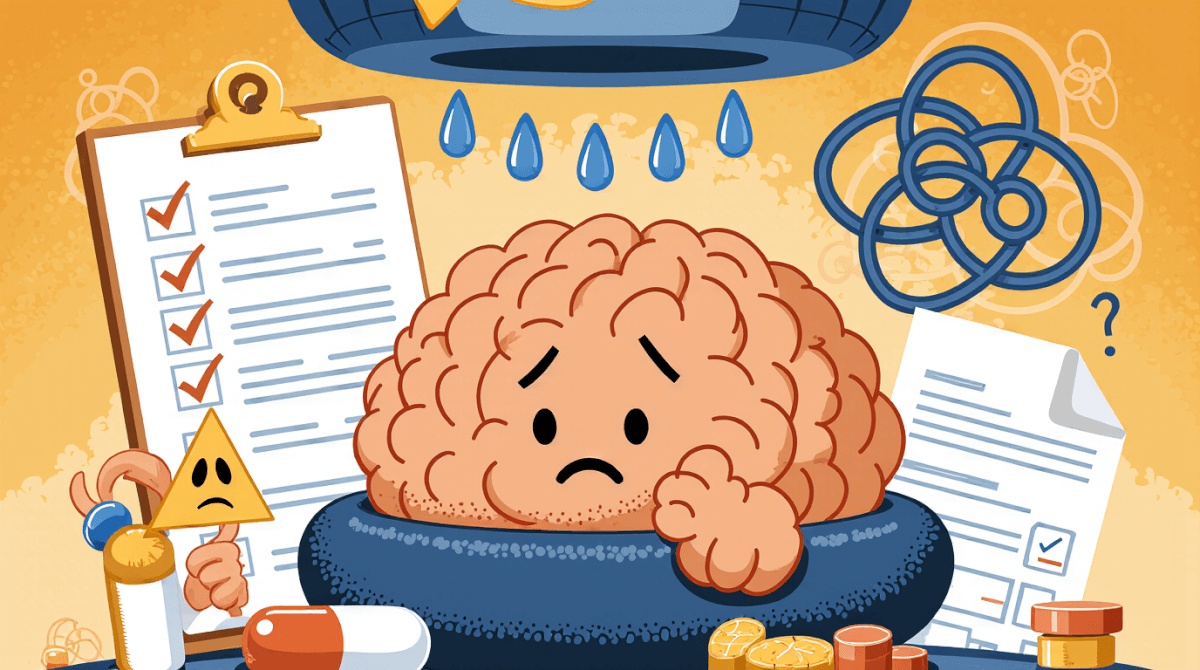
Mental overload occurs when the brain’s capacity to handle information and manage stress reaches its limit. In such situations, the mind may struggle to focus or maintain a stable emotional state. Imagine a professional who juggles multiple projects, tight deadlines, and client demands. The constant stream of information, the pressure to perform, and the fear of failure can lead to a state of mental exhaustion. This exhaustion can manifest as emotional instability, where the person may experience rapid shifts from high anxiety to sudden bursts of anger or, periods of intense sadness and withdrawal.
The process of mental overload often fragments attention, making it difficult for individuals to sustain focus on tasks or maintain a consistent emotional state. When the brain is constantly bombarded with stimuli, it can become fatigued, much like a muscle that has been overworked. Just as physical fatigue leads to diminished performance and slower reactions, mental fatigue can result in cognitive lapses and emotional instability. Research has shown that prolonged exposure to high-stress environments can impair working memory, decision-making abilities, and emotional regulation, all of which are crucial for maintaining stability under pressure.
Constant stimulation, whether from social media notifications, work-related emails, or an overwhelming number of tasks, can exacerbate this condition. The continuous influx of information can make it challenging for the brain to process and integrate new data effectively. This overload can lead to a state of hyperarousal, where the individual is constantly on edge, easily startled, and quick to react emotionally. Consider an executive who frequently receives urgent emails at all hours. The constant barrage of alerts can make it difficult to relax or engage in meaningful emotional regulation. This state of hyperarousal can contribute to irritability, mood swings, and a heightened sensitivity to stressors.
The absence of adequate rest and downtime can further exacerbate emotional instability. When individuals are consistently exposed to high-pressure situations without opportunities for respite, their ability to regulate emotions can be significantly impaired. A lack of sleep, can lead to increased emotional reactivity, as the brain’s capacity to process and modulate emotions is compromised. Studies have shown that sleep deprivation can affect the prefrontal cortex, the region responsible for executive functions such as decision-making and emotional regulation. Without sufficient rest, individuals may find themselves more prone to emotional outbursts or experiencing a wide range of moods throughout the day.
Attention, becomes a critical factor in managing emotional instability in high-pressure environments. Techniques such as mindfulness and focused attention can help individuals develop greater awareness of their emotional states and learn to respond more effectively to stressors. By training the mind to focus on the present moment, individuals can reduce the impact of external stimuli and improve their emotional resilience. Practicing deep breathing or engaging in a brief meditation session can help calm the mind and reduce feelings of overwhelm.
Rest and boundaries also play a crucial role in maintaining emotional stability. Setting clear limits on work hours, prioritizing activities that promote relaxation, and creating a supportive environment can all contribute to better emotional regulation. Boundaries help individuals establish a sense of control over their lives, allowing them to manage stress more effectively. Setting strict cutoff times for emails or scheduling regular breaks throughout the day can help prevent the brain from becoming overwhelmed. These small actions can have a significant impact on overall well-being and emotional stability.
Reflection is another powerful tool for managing emotional instability. Taking time to reflect on one’s experiences and emotions can provide valuable insights into patterns and triggers that contribute to emotional fluctuations. By engaging in self-reflection, individuals can better understand their emotional responses and develop strategies to manage them more effectively. Keeping a journal or engaging in regular self-assessment can help identify common stressors and develop coping mechanisms.
In high-pressure environments, the mind often becomes preoccupied with thoughts of failure, perfection, or the need to perform at all costs. These cognitive distortions can contribute to emotional instability by creating a persistent state of anxiety and self-doubt. Recognizing and challenging these negative thought patterns is crucial for maintaining emotional stability. Cognitive-behavioral techniques, such as reframing negative thoughts into more balanced perspectives, can help individuals develop a more resilient mindset.
Emotional neglect, often a byproduct of high-pressure environments, can also contribute to instability. When individuals are constantly engaged in high-stress situations, they may neglect their own emotional needs, leading to a sense of disconnection and vulnerability. Prioritizing self-care and engaging in activities that promote emotional well-being can help mitigate these effects. Simple acts such as engaging in hobbies, spending time with loved ones, or practicing relaxation techniques can all contribute to emotional resilience.
In summary, emotional instability in high-pressure environments is a complex phenomenon driven by mental overload, constant stimulation, the absence of rest, and the neglect of emotional needs. By understanding these factors and their impact on the mind, individuals can develop strategies to manage stress more effectively and maintain a greater sense of emotional stability. Awareness of one’s own emotional states and the mechanisms that contribute to instability is the first step in fostering resilience and enhancing overall well-being in challenging environments.
Related Reading
– Donald Kalsched – The Inner World of Trauma
– Nancy McWilliams – Psychoanalytic Diagnosis