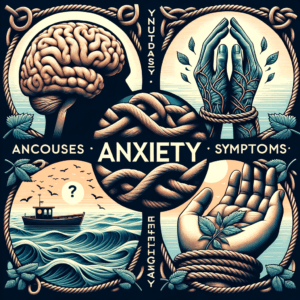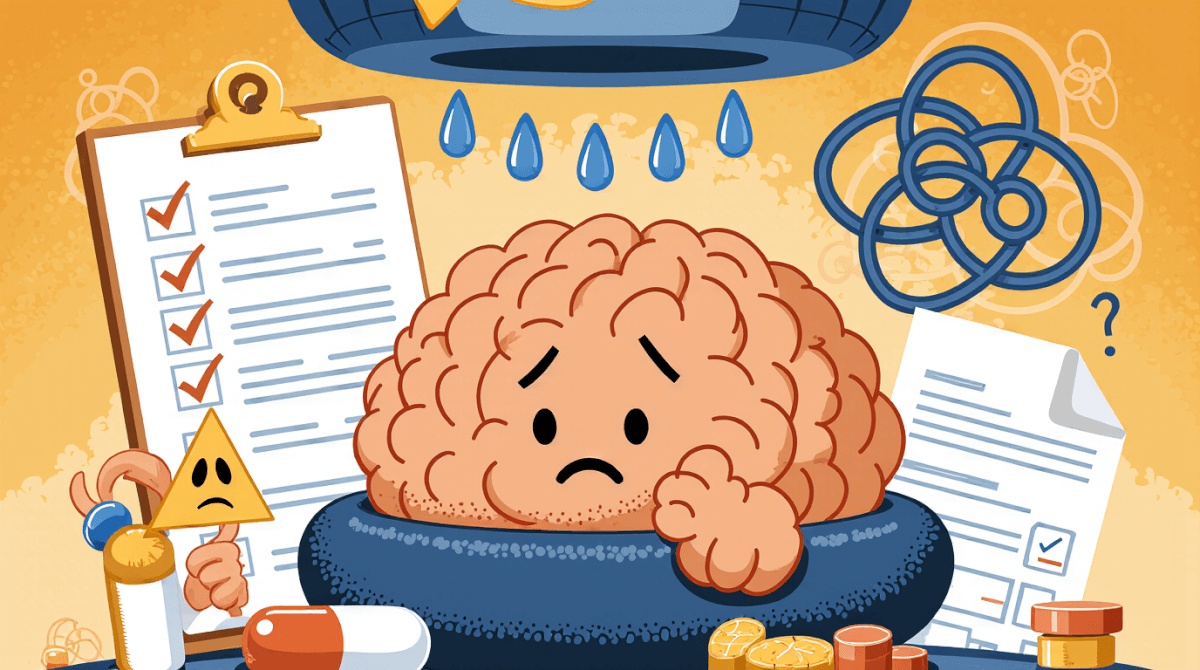
Mental and emotional strain, often experienced through constant stimulation or emotional neglect, can significantly impact one’s well-being. The human mind and body are designed to process information and emotions, but when these processes are overwhelmed, they can lead to a state of mental overload. This condition is characterized by a persistent sense of being overburdened, unable to cope with the demands placed upon you. Symptoms might include difficulty concentrating, irritability, fatigue, and feelings of being overwhelmed.
The human brain has a finite capacity for processing information and emotions, much like a computer that can only handle so many tasks before it starts to slow down or crash. When we are constantly bombarded with stimuli—whether it’s work-related stress, social media updates, or the constant need to multitask—the brain struggles to keep up. This overload can fragment attention, making it harder to focus on one task at a time. The mechanisms behind this fragmentation are subtle but significant: when the brain receives too many inputs simultaneously, it starts to allocate its resources inefficiently, leading to a decrease in performance and an increase in the feeling of being overwhelmed.
Consider the analogy of a library. Each book on the shelf represents a piece of information or an emotion that the brain needs to process. In normal conditions, these books are neatly organized, allowing for easy access and efficient processing. When the library becomes overcrowded with too many books added too quickly, it starts to become disorganized. The brain begins to prioritize certain books over others, leading to a fragmented sense of focus and understanding.
Emotional neglect can exacerbate this strain. When individuals do not have the opportunity to process their emotions in a healthy way, these feelings can accumulate, leading to a build-up of unresolved issues. This can manifest as heightened anxiety, depression, or other mental health concerns. The brain, like any muscle, needs time to rest and recover. Without adequate rest, it becomes increasingly difficult to regulate emotions effectively, leading to a cycle of negative feelings that can be hard to break.
It is crucial to recognize when these signs of mental strain are becoming overwhelming. Attention to one’s well-being should not be seen as a luxury but as an essential aspect of maintaining overall health. Paying attention to signals such as persistent irritability, difficulty concentrating, or a general sense of being overburdened can be the first step towards addressing underlying issues. These signals indicate that the brain and body are struggling to cope with current demands.
Establishing boundaries is a key strategy in managing these feelings. Setting clear limits on the amount of time spent on work or social media, can help prevent the brain from becoming overwhelmed. Similarly, prioritizing rest and reflection is vital. Taking regular breaks during the day, engaging in activities that promote relaxation, and setting aside specific times for reflection can all contribute to mental health. These practices allow the brain to process information more effectively and reduce feelings of being overburdened.
The importance of rest cannot be overstated. When the body and mind are allowed to rest, they have the opportunity to repair and recover. Sleep, in particular, plays a critical role in cognitive function and emotional regulation. During sleep, the brain consolidates memories, processes emotions, and clears out toxins that can build up during the day. Without adequate sleep, these processes become less efficient, leading to a decrease in overall well-being.
Reflection is another powerful tool for recognizing and addressing mental strain. Taking time to reflect on one’s experiences, thoughts, and feelings can provide valuable insights into underlying issues. This process allows individuals to gain a deeper understanding of their emotions and behaviors, which can lead to more effective coping strategies. Journaling, meditation, or simply taking quiet moments to contemplate can all foster this kind of introspection.
Recognizing the need for professional support is not a sign of weakness but an acknowledgment of the complexity of human experience. When internal signals indicate that the mind and body are struggling, seeking help from a mental health professional can be invaluable. Therapists, counselors, and other mental health practitioners provide a safe space to explore these issues and develop strategies for managing them effectively. Professional support can offer insights and tools that might not be readily available through self-reflection alone.
The recognition of mental and emotional strain is a significant step towards addressing underlying issues. By paying attention to signals of overload, establishing healthy boundaries, prioritizing rest, and engaging in reflection, individuals can begin to manage their well-being more effectively. While professional support can provide valuable assistance, recognizing the need for it is the first and often the most challenging step. By acknowledging this need, individuals can take proactive steps towards improving their mental health and overall quality of life.