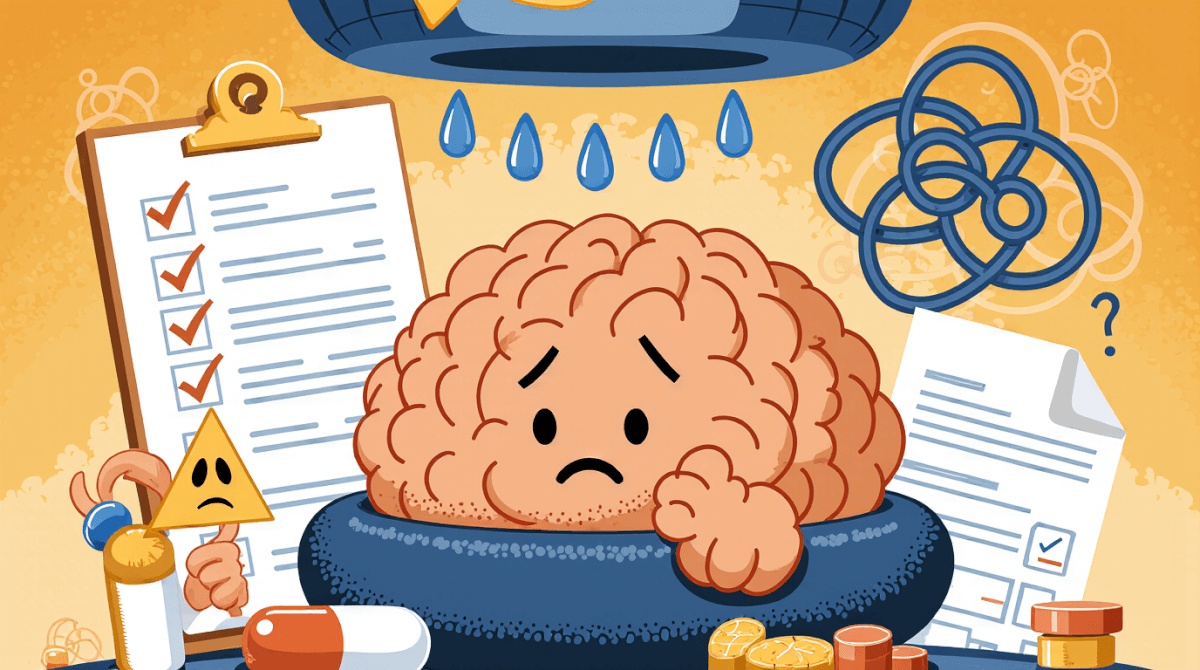
Mental overload, constant stimulation, and emotional neglect are increasingly common experiences in today’s fast-paced world. These conditions can lead to a complex psychological phenomenon known as avoidance as a coping pattern. This pattern is characterized by behaviors aimed at escaping or sidestepping distressing thoughts, emotions, or situations, often resulting from an overwhelming sense of mental strain.
When faced with prolonged periods of high stress or continuous bombardment with information, individuals may find it difficult to manage their emotions and thoughts. The brain, which operates on limited resources, can become fatigued, leading to a decreased ability to process complex emotions and stressful situations effectively. This fatigue can manifest as mental overload, where the mind feels overwhelmed by the sheer volume of tasks, emotions, or information it must process.
Constant stimulation, whether from social media, work demands, or personal responsibilities, can further exacerbate this condition. The human brain has a limited capacity to engage in focused attention, and prolonged exposure to rapid changes in stimuli can lead to cognitive fatigue. This fatigue can result in difficulties with concentration, memory, and overall mental clarity. Imagine a person juggling multiple social media accounts, work tasks, and personal commitments; the constant switching between these demands can fragment their attention, making it difficult to fully engage in any one activity.
In addition to cognitive overload, emotional neglect can also contribute to the development of avoidance as a coping mechanism. Emotional neglect refers to a lack of recognition or understanding of one’s own emotions, often stemming from a combination of factors such as busy lifestyles, social expectations, or past experiences of emotional invalidation. When individuals consistently fail to acknowledge and address their feelings, they may find it easier to avoid dealing with them altogether.
Avoidance can take many forms, ranging from physical escape (such as leaving an uncomfortable situation) to mental avoidance (ignoring a difficult thought or emotion). The underlying mechanism is often rooted in the brain’s natural inclination to seek pleasure and avoid pain. When faced with distressing emotions or thoughts, the mind may subconsciously push these stimuli away, seeking relief through distraction or disengagement.
Consider someone who experiences anxiety when making decisions. They might find themselves consistently postponing important tasks or avoiding situations where they need to make choices. This avoidance can provide a temporary reprieve from the anxiety but ultimately hinders their ability to develop decision-making skills and face their fears effectively. Over time, this pattern can become deeply ingrained, reinforcing the belief that avoidance is the only way to manage distress.
The impact of avoidance as a coping pattern on well-being can be significant. While it provides short-term relief, long-term reliance on this mechanism can lead to a range of negative outcomes. Chronic avoidance can contribute to the development of anxiety and depression, as individuals fail to address underlying emotional issues that could be resolved through engagement and processing. Additionally, avoidance can erode self-esteem and self-efficacy, as people consistently avoid challenges that could help them grow and develop resilience.
Attention, rest, boundaries, and reflection are critical components in understanding and potentially addressing the patterns of avoidance. Attention refers to the capacity to focus on one’s own experiences and thoughts, which is often hindered by a busy mind or a constant state of distraction. By learning to prioritize moments of focused attention, individuals can begin to tune into their internal experiences more effectively. Rest, whether through sleep or periods of quiet reflection, allows the brain to recover and process emotions without becoming overwhelmed.
Boundaries are essential in setting limits on one’s commitments and responsibilities, ensuring that they do not become so excessive as to cause mental strain. By establishing clear boundaries, individuals can create a buffer zone that reduces exposure to constant stimuli and provides space for emotional processing. Reflection involves taking time to consider one’s thoughts, feelings, and actions, fostering a deeper understanding of oneself and one’s coping mechanisms.
In practical terms, these elements can be cultivated through various strategies. Setting aside dedicated time each day for quiet reflection or engaging in mindfulness exercises can help improve attention and emotional awareness. Prioritizing sleep and creating a routine that includes regular breaks from constant stimuli can support mental recovery. Establishing clear boundaries around work and personal commitments, such as setting specific times to check emails or social media, can prevent burnout and maintain a healthier balance.
Awareness of these patterns is the first step towards addressing them. By recognizing the role that avoidance plays in one’s life, individuals can begin to develop healthier coping strategies. Instead of avoiding difficult conversations or tasks, they might seek support from trusted friends or professionals who can offer guidance and constructive feedback. Gradually, this awareness can lead to a shift in behavior, allowing for more productive engagement with challenging situations.
Avoidance as a coping pattern is a complex phenomenon that arises from mental overload, constant stimulation, and emotional neglect. While it provides temporary relief, it ultimately contributes to deeper emotional and psychological issues. By focusing on attention, rest, boundaries, and reflection, individuals can begin to develop healthier ways of managing their well-being. Awareness of these patterns is the first step towards change, offering a foundation for more grounded and resilient coping strategies in the face of life’s challenges.