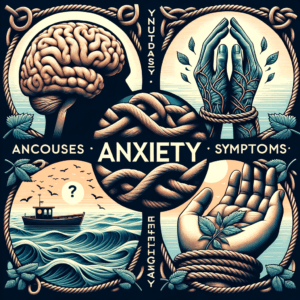
The modern world is replete with constant stimulation through digital devices, social media, work demands, and the relentless flow of information. While these tools offer convenience and connection, they can also contribute to a state of mental overload. The brain, accustomed to processing vast amounts of data, may struggle to filter out irrelevant information, leading to an excessive focus on potential threats or negative outcomes. This phenomenon is often observed in individuals who report feeling anxious but cannot pinpoint the exact source of their worry. The mind, like a detective trying to solve an unsolvable case, might wander endlessly through a series of “what ifs” and “could haves,” each contributing to a growing sense of unease.
Attention, a finite resource, can be easily fragmented by the constant pull of distractions. Imagine sitting in a quiet room with nothing but a notebook and a pen, free from any digital interruptions. Now, picture attempting the same task while surrounded by the beeps, notifications, and ambient noises of a bustling environment. The second scenario, while providing more stimulation, can paradoxically reduce one’s ability to focus on any single task, including mental processes like worry. This fragmentation of attention can lead to a state where the brain is perpetually scattered, unable to settle on one thought for extended periods, contributing to feelings of restlessness and anxiety.
Emotional neglect or an imbalanced emotional environment can also play a significant role in the onset of excessive worry without clear cause. When emotions are not adequately addressed or expressed, they can build up internally, manifesting as unexplained anxiety. Consider the analogy of a dam; when water builds up behind it without release, it eventually bursts forth in a flood. Similarly, emotional states that are left unattended can bubble under the surface until they erupt into overwhelming worry. This internal pressure can be subtle yet pervasive, influencing thoughts and perceptions in ways that are not always immediately apparent.
The impact of this state on daily functioning cannot be understated. Excessive worry without clear cause can disrupt sleep patterns, impair concentration, and reduce overall productivity. Imagine trying to write a report when the mind keeps drifting back to a hypothetical worst-case scenario. Each moment is consumed by thoughts of what could go wrong, rather than focusing on the task at hand. This constant mental strain can lead to physical symptoms such as muscle tension, headaches, and digestive issues, further compounding the problem.
This condition often leads to a heightened state of alertness, where the individual is constantly scanning for potential threats or signs of danger. This heightened sensitivity can make it difficult to relax or engage in leisure activities, further exacerbating feelings of restlessness and unease. The brain, in its quest for resolution, may push the person into a cycle of constant vigilance, making it challenging to find moments of peace or contentment.
Awareness of these patterns is a crucial first step. By recognizing that the mind can be overburdened by constant stimulation and emotional neglect, individuals can begin to take steps towards managing their well-being more effectively. Setting boundaries around technology use, creating spaces for reflection and relaxation, and engaging in activities that promote emotional expression can all contribute to reducing the prevalence of excessive worry without clear cause.
In a world that constantly demands attention and quick solutions, it is easy to overlook the importance of rest and reflection. These simple yet powerful practices can offer a respite from the relentless flow of information and emotions, allowing the mind to process and integrate experiences in a more balanced way. By acknowledging the subtle signals of mental strain and taking steps to address them, individuals can begin to reclaim their inner peace and reduce the pervasive sense of worry that can often go unexplained.
The experience of excessive worry without clear cause is a complex yet relatable phenomenon that affects many people in different ways. Understanding its roots—whether from mental overload, fragmented attention, or emotional neglect—can provide valuable insights into one’s own well-being. By fostering awareness and practicing self-care, individuals can navigate this challenging state more effectively, finding moments of calm amidst the chaos.