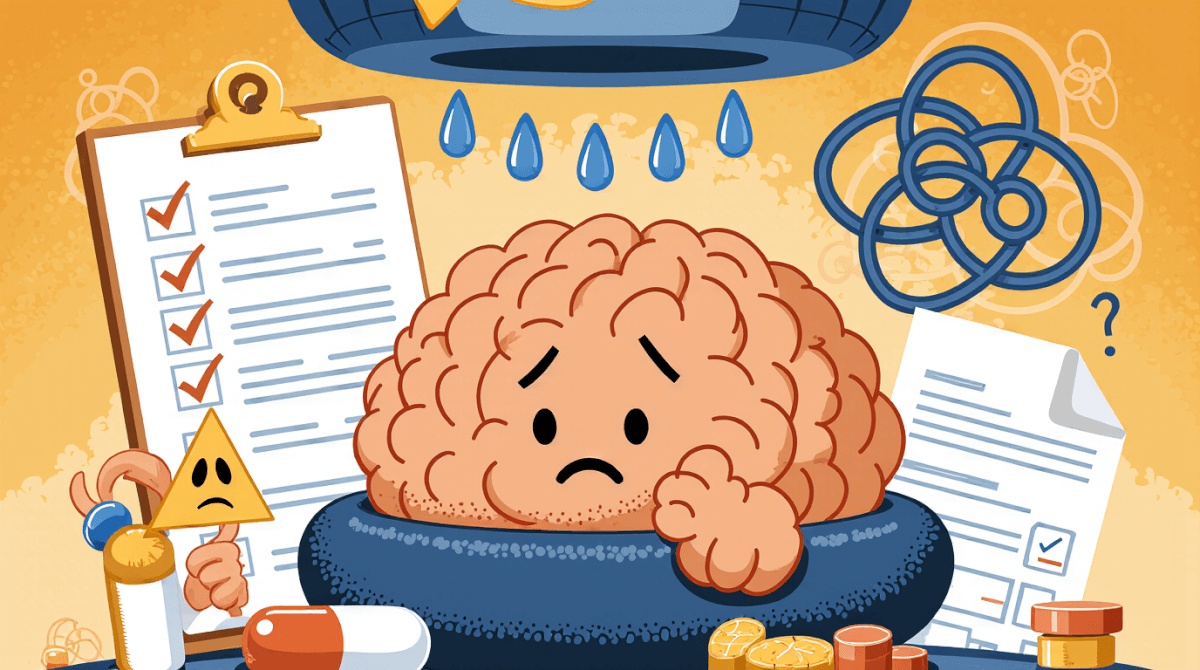
Mental overload occurs when the brain’s capacity to process information becomes overwhelmed. This can happen due to high-stress environments, excessive multitasking, or the constant influx of digital notifications and social media updates. When the mind is constantly stimulated and overburdened, it struggles to maintain focus and engage deeply with the present moment. Interactions with others may feel superficial or even meaningless. The brain’s attention, a precious resource that can be exhausted by continuous demands, becomes fragmented. It’s as if each interaction requires so much mental effort that we find ourselves mentally fatigued and unable to fully participate.
Consider the scenario of someone who works in a high-pressure job with tight deadlines and frequent meetings. Throughout the day, their mind is constantly occupied, and by the time they reach home, there is little room left for engaging in meaningful conversations or even simple interactions with family members. This mental exhaustion can lead to a sense of disconnection, where even those closest to them feel like they are speaking to an emotionally distant person.
Constant stimulation, particularly from digital devices, can contribute to this feeling of disconnection. The rapid pace at which information is consumed and shared on social media platforms can lead to a phenomenon known as “shallow engagement.” In such environments, interactions are often brief, surface-level, and quickly replaced by the next notification or piece of content. This pattern can make it challenging for individuals to develop deep, meaningful connections. The constant flow of stimuli may prevent the brain from fully immersing in any one interaction, leading to a fragmented sense of self and a weakened ability to connect with others on a personal level.
Emotional neglect is another significant factor that can contribute to this sense of disconnection. When individuals feel unsupported or undervalued by their social circles, they may develop a guarded mindset, where they become wary of expressing their true feelings or emotions. This can manifest in various ways, such as avoiding intimate conversations or feeling like they are not being heard. Someone who has experienced repeated dismissals from friends or family members might internalize this neglect and develop a protective barrier around themselves, making it difficult to open up and share their thoughts and feelings.
The psychological strain of constant mental overload, unrelenting stimulation, and emotional neglect can create a state of disconnection that is both subtle and pervasive. It’s not uncommon for people to walk through life feeling like they are on the periphery, observing but not truly participating. This can be especially challenging during moments of vulnerability or deep emotion, when one might feel an acute sense of isolation despite being physically surrounded by others.
Attention, rest, boundaries, and reflection are critical in managing these feelings of disconnection. Attention is a finite resource that requires deliberate management. Engaging in mindfulness practices, such as meditation or journaling, can help individuals become more aware of their cognitive load and learn to prioritize their attention. By setting aside time for deep, uninterrupted focus, one can better engage with others in meaningful ways.
Rest, both mental and physical, is equally important. Regular breaks from high-stress environments and digital distractions allow the brain to recharge. This restorative period enables individuals to return to social interactions with renewed energy and a clearer mind. Taking a walk in nature or engaging in a hobby can provide much-needed respite, allowing the brain to reestablish connections that might have been fragmented during periods of intense activity.
Boundaries are essential in protecting one’s emotional well-being. Setting clear limits on digital usage, social media consumption, and time spent in stressful environments can help create a healthier balance. Boundaries also extend to personal relationships, where individuals may need to communicate their needs and set expectations for mutual support and understanding. Someone might decide to limit social media use before bedtime or establish specific times when they are not available for calls or texts.
Reflection is a powerful tool in navigating feelings of disconnection. By regularly taking stock of one’s emotional state and social interactions, individuals can gain insights into patterns that contribute to their sense of isolation. Journaling, therapy sessions, or simply engaging in quiet introspection can provide clarity. Reflective practices help individuals recognize when they might be withdrawing from social connections or when they are struggling to maintain meaningful relationships. This awareness can foster a greater sense of self-understanding and pave the way for healthier social dynamics.
Feeling disconnected from others is a complex experience that arises from a combination of mental, emotional, and social factors. It is an internal and external phenomenon, shaped by the demands of our environment and the state of our minds. By acknowledging this disconnection and actively managing our attention, rest, boundaries, and reflections, we can begin to rebuild meaningful connections and foster a sense of belonging in our social lives.
Related Reading
– Nancy McWilliams – Psychoanalytic Diagnosis
– Robert Sapolsky – Why Zebras Don’t Get Ulcers