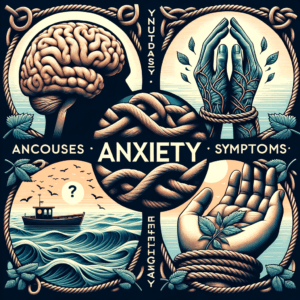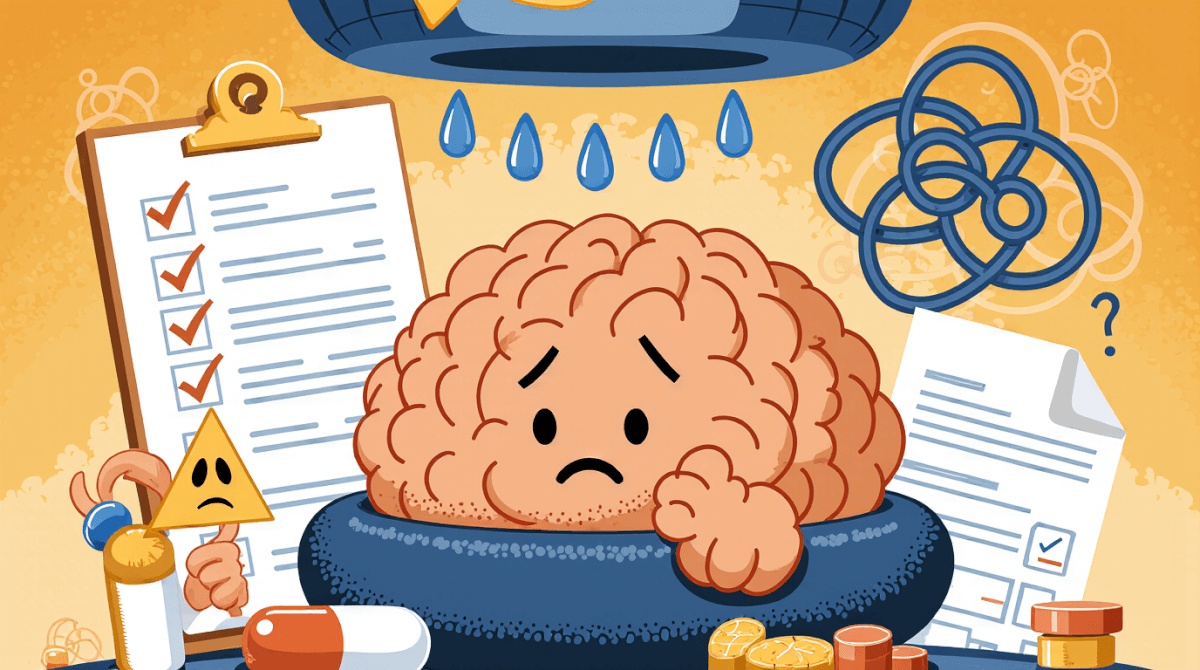
Mental overload occurs when the brain is constantly bombarded with information and responsibilities, leaving little room for rest and reflection. In our digitally saturated world, where notifications and social media updates demand our attention every few minutes, the brain struggles to maintain a coherent sense of self. The constant influx of stimuli can fragment attention, making it difficult to focus on any one task or activity. Imagine trying to read a book while simultaneously responding to emails, scrolling through social media, and watching TV. Each distraction diverts your attention, leaving you with a fragmented understanding of the book’s content and a reduced capacity for deep engagement. Over time, this fragmentation can lead to a general sense of disengagement from daily activities.
Emotional neglect further exacerbates this state of disinterest. When emotional needs are unmet, individuals may find it increasingly challenging to derive pleasure or meaning from routine tasks. This is because emotional well-being is intricately linked to our ability to find joy and satisfaction in life’s simple pleasures. A person who regularly feels ignored or unsupported by their social circle might begin to lose interest in activities that once brought them happiness, such as hobbies, exercise, or even spending time with loved ones. The absence of emotional support can create a sense of isolation and disconnection, leading to a pervasive feeling of apathy.
Attention, rest, boundaries, and reflection are crucial for maintaining a healthy balance. Attention is the cognitive resource that allows us to focus on tasks and engage fully with our environment. When we prioritize constant stimulation, we deplete this precious resource. Boundaries, such as setting specific times for work and leisure or designating certain periods as screen-free, help protect our attention from being overextended. Rest, both physical and mental, is essential for restoring cognitive function and emotional resilience. Without adequate rest, the mind and body become fatigued, making it increasingly difficult to find joy in daily activities.
Reflection, provides an opportunity to assess one’s emotional and psychological state. Regular moments of introspection can help identify patterns and triggers that contribute to a loss of interest. If someone notices that they often lose interest in activities after a particularly stressful week at work, it might be an indication that managing stress is key to maintaining engagement in daily life. By acknowledging these patterns, individuals can begin to address the root causes rather than simply reacting to their symptoms.
Attention mechanisms play a significant role in how we engage with our environment. Our brains naturally filter out irrelevant information to focus on tasks at hand. When this filtering process becomes overwhelmed, it can lead to a state of disengagement. The brain’s prefrontal cortex, responsible for executive functions like planning and decision-making, requires periods of rest to function optimally. Chronic mental strain can weaken the prefrontal cortex, making it harder to concentrate and derive satisfaction from activities that once brought pleasure.
The emotional neglect experienced by many in modern society can create a cycle of disinterest. Emotional support from friends, family, or even pets provides a sense of connection and belonging. When these connections are lacking, individuals may find themselves increasingly isolated, which can further diminish their interest in daily activities. A person who has recently moved to a new city with no established social network might begin to lose interest in previously enjoyable activities as they navigate feelings of loneliness.
It is important to recognize the signals of disengagement. Early signs include a decrease in motivation to engage in activities that once brought joy or a general feeling of apathy towards daily tasks. As this state persists, individuals may experience a broader range of symptoms such as increased fatigue, irritability, and difficulty concentrating. These symptoms can contribute to a vicious cycle where reduced engagement leads to further emotional and psychological strain.
In summary, the loss of interest in daily activities is a complex phenomenon rooted in mental overload, constant stimulation, and emotional neglect. It reflects a broader struggle with maintaining psychological well-being in an increasingly demanding world. By acknowledging the importance of attention, rest, boundaries, and reflection, individuals can begin to address the underlying factors contributing to this state. Recognizing the subtle signals of disengagement is crucial for understanding one’s emotional and psychological state and taking proactive steps towards restoring a sense of engagement and pleasure in daily life.