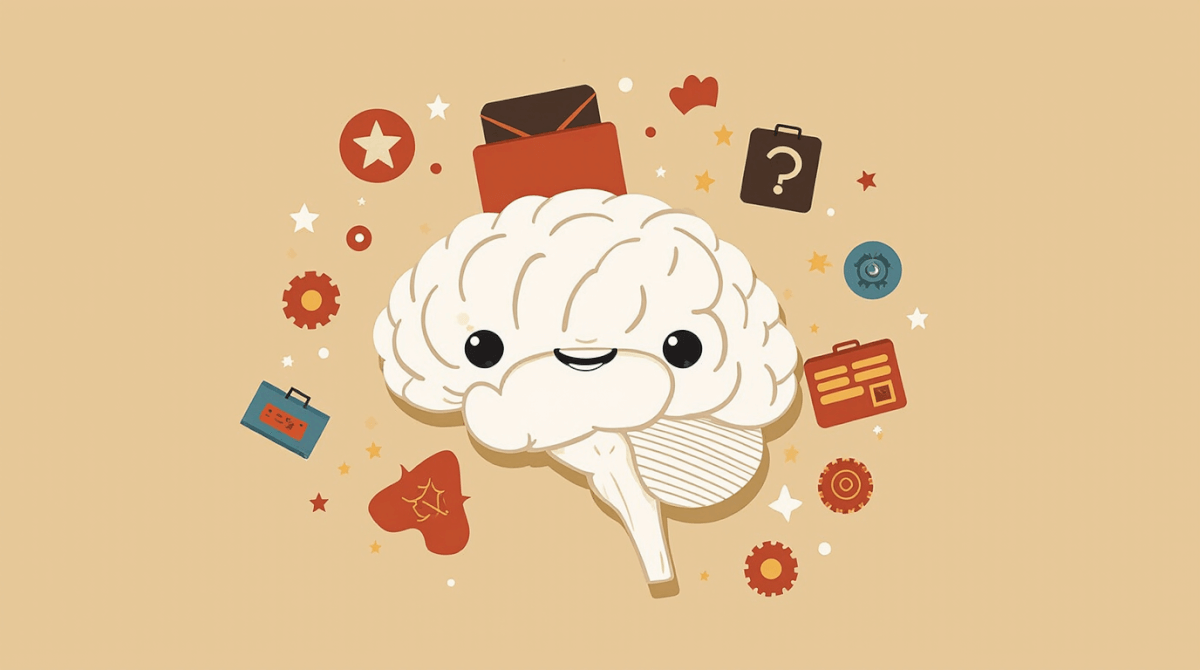
At the core of automatic thinking lies the brain’s capacity to process information quickly. The human brain is a marvel of efficiency, equipped with mechanisms designed to handle vast amounts of data. When faced with stimuli—be it an event, an interaction, or a thought—the brain can react almost instantaneously. This rapid processing occurs through neural networks that have been strengthened over time due to repeated exposure and practice. When encountering a familiar object, such as a red apple, the brain does not need to deliberate on its identity; it instantly recalls relevant information and emotions associated with it, such as hunger or a pleasant memory of eating.
These automatic reactions are deeply intertwined with emotions. Emotions serve as powerful signals that guide behavior and decision-making. When faced with a situation, whether positive or negative, the brain triggers a series of emotional responses that can influence one’s reactions. Encountering a sudden loud noise might trigger fear or surprise, leading to a fight-or-flight response, which can manifest in an automatic jump or a quick glance around for danger. Emotions, act as a lens through which we experience and interpret the world, often coloring our perceptions and judgments.
Stress, a pervasive aspect of modern life, plays a significant role in shaping automatic thinking and reactions. Stress responses are part of the body’s natural fight-or-flight mechanism, designed to help us cope with immediate threats. Chronic stress can lead to prolonged activation of this system, affecting cognitive functions and emotional regulation. Under high levels of stress, decision-making processes can become impaired, leading to quicker, more impulsive reactions. This can manifest in everyday situations, such as reacting defensively in a conversation or overreacting to minor inconveniences. Chronic stress can also contribute to the development of negative thought patterns and emotional dysregulation, making it difficult to maintain balance and perspective.
Inner psychological patterns, often referred to as schemas, play a crucial role in shaping automatic thinking and reactions. These are mental structures that organize and interpret information based on past experiences. Schemas can be positive, reinforcing self-worth and confidence, or negative, leading to self-doubt and anxiety. An individual who has experienced repeated failures might develop a schema of being incompetent, leading to automatic thoughts like “I am going to fail” when faced with new challenges. These schemas operate largely beneath the surface, influencing emotions and behaviors without conscious awareness.
Interpersonal dynamics further complicate these processes. People’s automatic reactions are often influenced by their relationships and social contexts. Social norms, expectations, and cultural influences shape how individuals interpret and respond to situations. In a group setting, an individual might automatically conform to the prevailing behavior or adopt a dominant stance based on their perceived role within the group. This can lead to behaviors that are not reflective of one’s true feelings but rather a product of social pressure.
The impact of automatic thinking and reactions extends beyond individual experiences to affect social interactions. Misunderstandings, conflicts, and breakdowns in communication often arise from these automatic processes. A quick judgment based on a single interaction can lead to a generalization that affects subsequent relationships. Similarly, emotional reactions to a colleague’s actions might stem from pre-existing schemas rather than the current context, leading to strained interpersonal dynamics.
Understanding automatic thinking and everyday reactions involves recognizing the complex interplay of mental processes, emotions, stress, and social influences. These processes are deeply rooted in human experiences and provide a lens through which we make sense of the world. While they offer efficiency and speed, they can also contribute to emotional dysregulation, stress, and interpersonal conflicts. By acknowledging and exploring these aspects, individuals can gain insights into their own behaviors and interactions, fostering a more nuanced understanding of themselves and those around them.