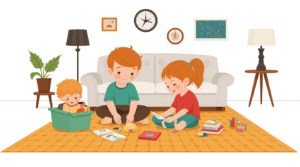
Parenting, in its essence, is a profound and complex dance of emotions, responsibilities, and personal growth. The act of raising a child is not merely about providing basic needs or ensuring physical safety; it is deeply intertwined with the emotional fabric of the parent’s life. For those who navigate this path with care and love, the emotional cost can be both immense and transformative. This reflection delves into the internal experiences of a parent as they grapple with the weight of their role, the doubts that surface, and the deep-seated impact of their own past on their parenting journey.
At its core, the act of parenting involves a continuous negotiation between the roles of caregiver, protector, and educator. Each decision made, whether consciously or subconsciously, carries a heavy emotional burden. The parent is always aware that their actions and decisions can significantly influence their child’s development and well-being. This awareness can be both a source of immense pride and an overwhelming sense of responsibility. The parent must constantly balance the desire to provide a nurturing environment with the reality of the limitations imposed by time, resources, and personal circumstances.
The tension between intention and result is perhaps the most poignant aspect of this emotional journey. Parents often hold themselves to impossibly high standards, envisioning their role as one of perfect care and guidance. Yet, in the real world, perfection is elusive, and every parent faces moments of failure or inadequacy. These moments can be deeply distressing, leading to self-doubt and feelings of incompetence. The parent might question whether they are doing enough, whether they are making the right choices, and whether their efforts will ultimately lead to positive outcomes for their child.
Personal history plays a crucial role in shaping how a parent approaches their role. Childhood experiences, both positive and negative, can leave indelible marks on an individual’s psyche. A parent who grew up in a nurturing environment might be inclined to replicate those conditions, seeking to provide a similar level of emotional support and security for their own child. A parent who experienced neglect or abuse may struggle with the intensity of their own emotions, finding it challenging to maintain a consistent presence or to set appropriate boundaries.
This internal conflict between love and control is another facet of the emotional landscape of parenting. Love often drives parents to make sacrifices and endure hardships for the sake of their children. This overwhelming love can also create a sense of entitlement, where the parent expects unwavering loyalty and devotion from their child. This expectation, when unmet, can lead to disappointment and resentment. Balancing the need for love and the necessity of setting healthy boundaries is a delicate task that requires emotional intelligence and self-awareness.
The transformation of the parent’s identity through the process of parenting is also significant. Parenting forces individuals to confront their own vulnerabilities and limitations, prompting a reevaluation of their personal values and priorities. This process can be both liberating and constraining. Parents may find new strengths and capabilities that they never knew they possessed. The demands of parenting can overshadow other aspects of life, leading to a sense of identity loss or fragmentation.
Affection, consistency, and emotional presence are not just desirable qualities in parenting; they are essential for healthy child development. Children need to feel secure and loved to develop a strong sense of self and resilience. Consistency in routines and boundaries helps children understand the world and navigate their emotions. Emotional presence allows parents to attune to their child’s needs and respond appropriately, fostering trust and emotional intelligence.
Achieving these ideals is not always easy. The emotional cost of parental neglect, whether conscious or unconscious, can manifest in various ways. Parents who struggle with their own emotional well-being might find it challenging to be fully present for their children. They may experience cycles of overprotection and abandonment, where they are either overly involved or emotionally distant. This inconsistency can confuse the child, leading to feelings of insecurity and instability.
The impact of parental neglect on a child’s development cannot be overstated. Children who grow up in environments marked by emotional neglect often struggle with trust issues, self-esteem, and emotional regulation. They may become overdependent on others or exhibit behaviors indicative of unresolved trauma. As adults, these individuals may find it challenging to form meaningful relationships or set boundaries in their own lives. The cycle of neglect can perpetuate itself across generations unless conscious efforts are made to break it.
For the parent who is aware of this cycle, the challenge lies in recognizing and addressing their own emotional needs. This requires a level of self-awareness and introspection that can be daunting. Parents must confront their own past, acknowledge any unresolved issues, and seek support if necessary. Therapy, whether individual or family-based, can provide a safe space to explore these emotions and develop healthier coping mechanisms.
The emotional cost of parental neglect is a multifaceted issue that touches every aspect of a parent’s life. It is a journey marked by moments of joy, frustration, and self-discovery. While the road ahead may be challenging, it offers the opportunity for profound personal growth and the chance to create a nurturing environment for one’s child. By understanding and addressing their own emotional needs, parents can become more attuned to their children’s needs, fostering a bond that is both loving and secure.