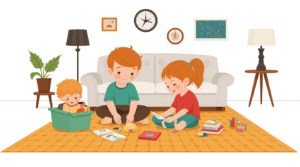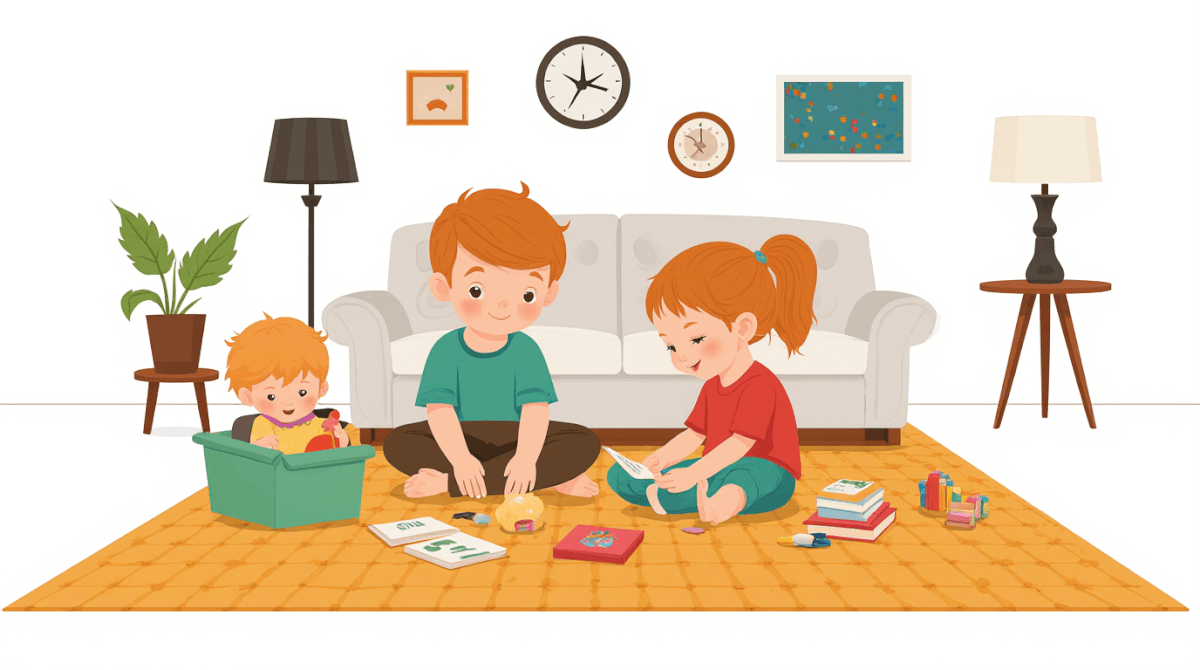
From the moment a child is born, they are sensitive to the emotional climate of their environment. The way parents or caregivers respond to their needs, including feeding, comforting, and play, is crucial. When a baby cries and is promptly attended to, the child begins to associate this behavior with positive outcomes—comfort, warmth, and safety. This repeated pattern helps the child develop a secure base, a psychological understanding that the world is a predictable and reliable place. Over time, this sense of security is internalized, forming the bedrock upon which the child’s confidence and self-esteem will be built.
The emotional architecture is not static; it is constantly being shaped by the interactions that follow. If parents are inconsistent in their responses—sometimes soothing the baby and sometimes ignoring or dismissing their cries—the child may struggle to form a secure base. Instead, they might develop an anxious or avoidant attachment style, where they either cling to caregivers out of fear or push them away due to learned mistrust.
Attachment theory, developed by John Bowlby, provides insight into these processes. The primary caregiver’s responsiveness acts as a model for the child’s interpretation of their own emotional landscape. When a caregiver is attuned and responsive, the child learns to trust their own emotions and needs, fostering self-regulation skills. A toddler who experiences consistent nurturing and validation of their feelings may learn to articulate their emotions verbally, such as saying “I am feeling sad” instead of throwing a tantrum. This ability to recognize and label emotions is foundational for emotional intelligence and self-regulation.
If caregivers are overly protective or suffocating, the child might become overdependent or overly independent. Overprotection can lead to a lack of autonomy and a fear of exploring new experiences. Excessive independence may foster a sense of insecurity and an inability to form close, trusting relationships. Both extremes can hinder the child’s ability to navigate social situations and regulate their emotions effectively.
Identity formation in early years is another critical aspect of emotional architecture. Children begin to develop a sense of self through interactions with caregivers and peers. When a child is encouraged to express themselves artistically or through play, they learn to see themselves as creative individuals with unique talents. If a child is frequently told what to do or discouraged from exploring their interests, they may develop a less positive sense of identity. This sense of self is crucial for building confidence and resilience.
Self-regulation is another key area of development that emerges through these interactions. Children learn to manage their emotions and behaviors based on the feedback they receive from their caregivers. When a child is upset and a caregiver teaches them breathing exercises or counting to ten, the child begins to internalize strategies for calming down. Over time, these strategies become habits that the child can use independently. This ability to regulate emotions and behaviors is essential for academic success, social interaction, and overall mental health.
The emotional architecture of early years is not just a one-way street; it involves the interplay between the child’s internal world and their external environment. Cultural context plays a significant role in shaping these interactions. In some cultures, collective well-being may be prioritized over individual autonomy, influencing how children are raised. In collectivist societies, the emphasis might be on group harmony and cooperation, which can lead to different emotional development patterns compared to individualistic cultures that focus more on personal achievement.
Societal expectations and norms can also impact the emotional architecture. In a competitive environment, children might be encouraged to excel academically at the expense of emotional well-being. This focus on achievement can lead to increased stress and anxiety if not balanced with emotional support. In a supportive environment, children are more likely to develop a sense of worth and resilience.
The emotional architecture of early years is a dynamic and multifaceted process that involves the interplay of individual experiences, cultural contexts, and social interactions. It lays the groundwork for emotional security, confidence, identity, and self-regulation, setting the stage for a child’s future psychological development. Understanding these mechanisms can help caregivers and educators create environments that foster healthy emotional growth, ensuring that children develop into well-adjusted, resilient adults.
Related Reading
– Edward Tronick — The Still Face Experiment
– Lawrence Kohlberg — Essays on Moral Development