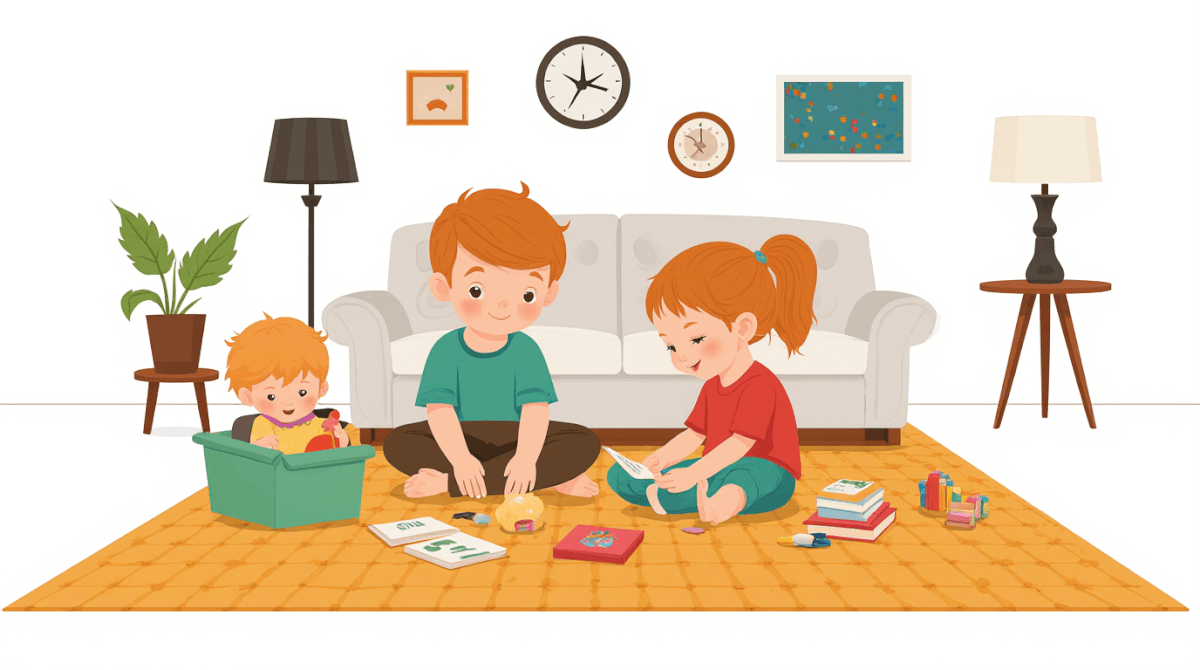
From the moment a child first opens their eyes to the world, the foundation for integrity begins to take shape through the lens of everyday family interactions. These interactions, often so routine and mundane, serve as critical moments in shaping emotional security, confidence, identity, and self-regulation. It is within these contexts that the child learns to navigate their inner landscape and develop a sense of trust in both themselves and others.
Emotional security is perhaps one of the most fundamental aspects of integrity, serving as a protective shield against the inevitable challenges and uncertainties of life. When parents consistently respond to their child’s needs with warmth, empathy, and understanding, they create a safe emotional space that fosters a sense of safety and predictability. When a toddler cries because they are hungry, a responsive parent might soothe them by offering food, thereby signaling that their needs will be met. Over time, this pattern reinforces the belief that the world is not only predictable but also kind and supportive. The child internalizes this understanding, developing a secure base from which to explore their environment with greater confidence.
This emotional security, in turn, lays the groundwork for the child’s growing sense of self and identity. As the child grows, their interactions become more complex, involving not just emotional needs but also social expectations and norms. Parents who model integrity through their own actions provide a living example of what it means to be trustworthy and dependable. If a parent consistently follows through on promises—such as reading a story at bedtime or taking the child to the park on a sunny afternoon—they are teaching the child about the importance of reliability. These repeated interactions help the child begin to understand their own values and what behaviors align with those values.
Self-regulation, another crucial aspect of integrity, emerges as the child learns to manage their emotions and impulses in response to various situations. Consider a scenario where a child is upset because they cannot have a cookie before dinner. If the parent calmly explains the reasons behind the rule—such as ensuring the child eats a balanced meal—and helps the child find an alternative activity to engage in, this teaches the child how to regulate their feelings and behavior. Over time, such experiences build the child’s capacity for self-control and resilience, essential components of emotional intelligence and integrity.
The development of integrity is not without its challenges. There are moments when the balance between support and overprotection can become murky, potentially hindering the child’s growth. A parent who constantly steps in to solve every problem might inadvertently undermine the child’s ability to develop problem-solving skills. While well-intentioned, such overprotection can leave the child feeling helpless or overly dependent. Parents who offer too little support might foster feelings of inadequacy and insecurity. It is the nuanced balance between these extremes that allows a child to grow independently while still feeling valued and understood.
In these situations, it is the quality and consistency of the parent’s response that make all the difference. A parent who offers guidance while also allowing the child to face challenges can foster resilience and self-reliance. When a child struggles with a difficult task at school, a supportive parent might offer encouragement and provide resources without doing the work for them. This approach helps the child develop a sense of competence and confidence in their abilities.
The accumulation of such interactions over time creates a cumulative effect that shapes the child’s internal world. Positive patterns reinforce each other, while negative ones can become ingrained if not addressed. The child’s developing self-concept is thus a reflection of these repeated experiences, gradually forming a coherent sense of who they are and how they should behave in the world.
The social, cultural, and relational contexts within which these interactions occur also play a significant role. A family that values honesty, might encourage open communication and transparency, which can shape the child’s understanding of integrity as a core value. A family that prioritizes obedience might instill different norms and expectations, potentially leading to a more rigid sense of self.
It is through these subtle and often unnoticed exchanges that the roots of integrity are slowly cultivated. The child learns to navigate their emotions, form secure attachments, and develop a strong sense of self. These internal processes, while complex and multifaceted, are essential for fostering integrity in early development. Each interaction, whether positive or challenging, contributes to the child’s growing understanding of themselves and their place in the world.
In reflecting on this process, one can appreciate the profound impact that these everyday interactions have on a child’s psychological well-being and moral development. The journey towards integrity is not a linear path but a series of steps forward, backward, and sometimes sideways. Yet, with consistent and thoughtful guidance, the foundation for a strong and resilient sense of self can be established, providing a solid base from which to navigate life’s complexities.
In closing, it is through these everyday interactions that the seeds of integrity are sown, gradually taking root and blossoming into a guiding light that illuminates the path of a child’s journey.