In the quiet moments of daily life within a family, the foundation of justice perception begins to take shape. This perception is not just a cognitive understanding; it is a deeply emotional and psychological experience that is nurtured through the fairness of interactions between parents and children. From the earliest years, children are sensitive to the nuances of fairness, which can either build a sense of security and trust or create feelings of insecurity and doubt.
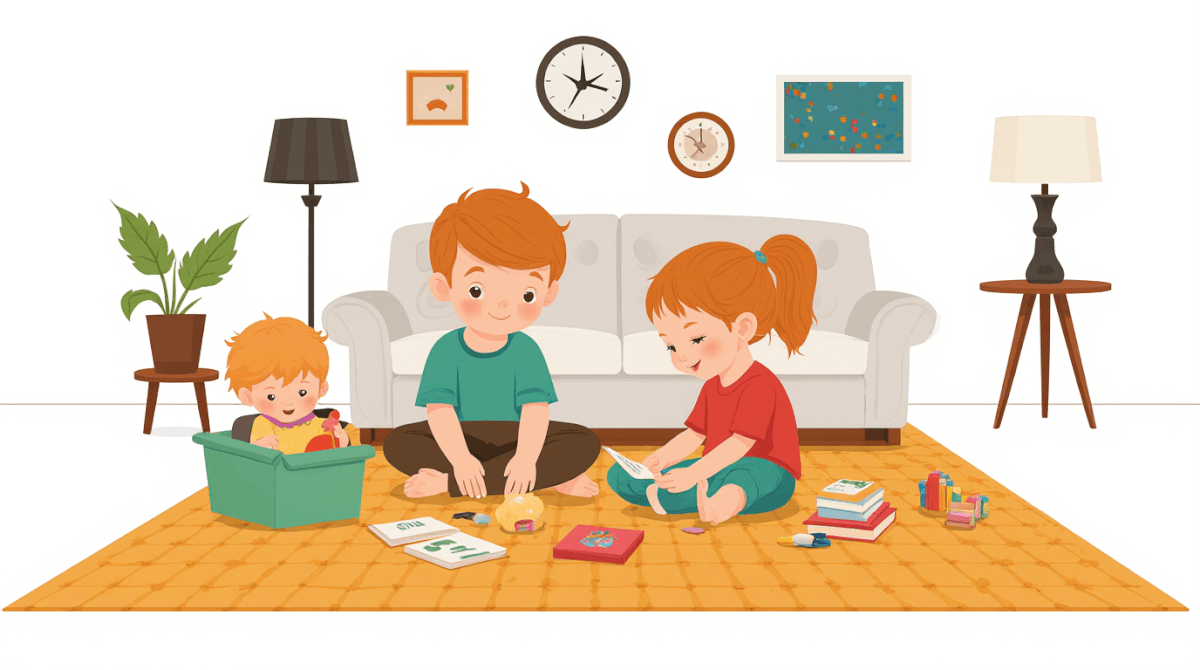
The process begins with simple exchanges, such as sharing toys or dividing chores. When parents distribute tasks fairly, whether it is setting the table for an equal number of family members or allowing each child an equal turn at choosing what to watch on TV, children start to internalize a sense that fairness exists in their environment. This initial understanding serves as a cornerstone for developing more complex concepts of justice.
The psychological mechanisms at play here are subtle but profound. Children learn to associate fairness with emotional security. When tasks are distributed fairly and without favoritism, children experience a sense of worth and value. This positive reinforcement creates an internalized framework where they understand that their contributions are recognized and respected. Over time, this can lead to enhanced self-esteem and a more confident approach to social interactions.
The path to justice perception is not always smooth. Parents who frequently show favoritism or who make decisions in a biased manner can inadvertently sow seeds of injustice. A child might perceive that certain siblings are favored over others due to perceived differences, such as age, gender, or academic performance. This can create tension and resentment, leading to feelings of insecurity and a disrupted sense of fairness.
Fairness in parenting also extends to how rules are enforced. Children who experience consistent and fair enforcement of rules tend to develop better self-regulation skills. When parents set clear boundaries and consequences for breaking them, children learn the importance of adhering to societal norms. This process is not just about compliance but about understanding the rationale behind rules and the role of justice in maintaining order.
Inconsistent enforcement can lead to confusion. Children might find themselves facing different standards in different situations or with different family members. This inconsistency can create a sense of unpredictability and instability, making it difficult for children to develop reliable internal guides for fairness and justice.
The impact of these experiences is cumulative over time. As children navigate through different stages of development, the lessons learned from parental fairness—or lack thereof—shape their broader understanding of the world. In adolescence, children may face external pressures that challenge their internal frameworks. The emotional security and trust built through fair parenting can provide a stable base, enabling them to navigate these challenges with resilience.
The psychological mechanisms involved in justice perception are closely tied to identity formation. Children who grow up in environments where fairness is consistently practiced tend to develop a stronger sense of self and confidence in their judgments. They are more likely to advocate for themselves and others, recognizing the importance of fair treatment and standing up against injustice. Those who experience unfairness may develop a more guarded or suspicious view of the world, leading to difficulties in forming trust-based relationships.
The interplay between support and overprotection is particularly worth examining. While parental guidance is crucial, excessive protection can stifle a child’s ability to develop self-regulation skills. When parents constantly shield their children from making mistakes, they may inadvertently prevent them from learning the natural consequences of actions. This can lead to a sense of unfairness when children encounter real-world situations where they are expected to navigate challenges independently.
A lack of support can create feelings of neglect and insecurity. Children need a balance—enough guidance to understand fairness and enough independence to practice self-regulation. The tension between these two extremes highlights the complex nature of parenting and its enduring influence on justice perception.
The everyday interactions within families lay the groundwork for children’s understanding of justice and fairness. These interactions are not just about distributing tasks or enforcing rules; they are about building emotional security, fostering confidence, and shaping a child’s identity. The cumulative impact of parental fairness is profound, shaping how children perceive and navigate the world around them. By consistently practicing fairness, parents can provide their children with a solid foundation for justice perception, one that supports emotional well-being and ethical development.