
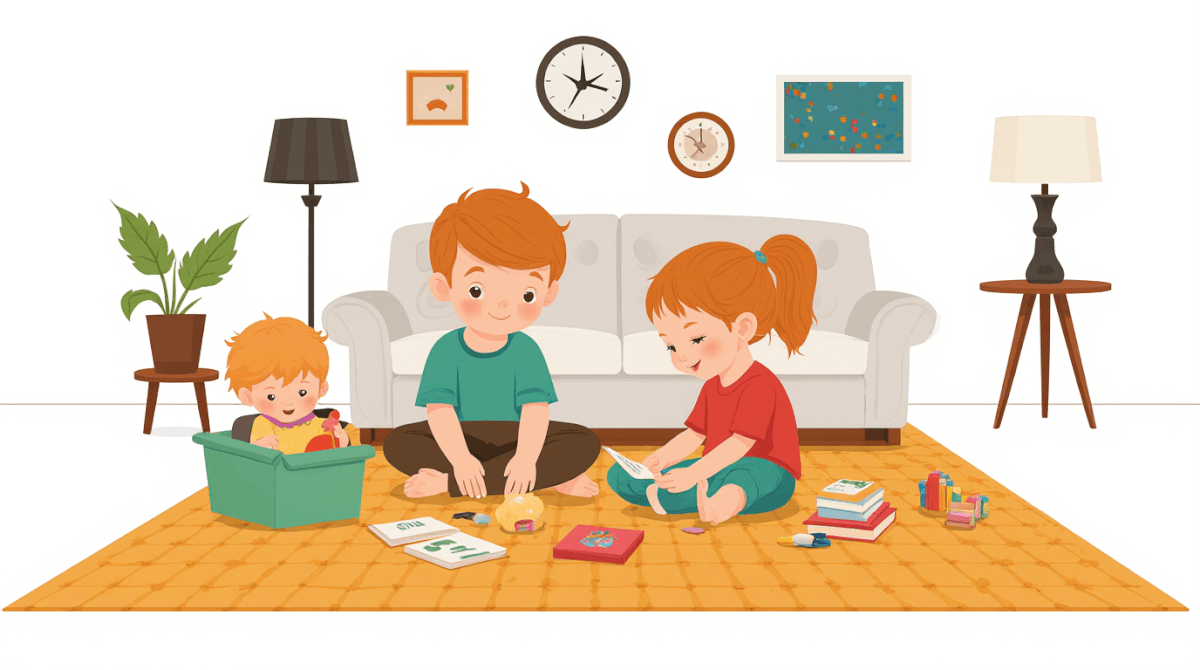
From the moment a child opens their eyes to the world, the interactions they experience shape their developing sense of self and emotional landscape. One of the most significant elements in this process is how they are exposed to kindness—both as recipients and observers of it. This exposure gradually cultivates a deep-seated capacity for compassion, influencing their ability to understand and empathize with others.
The first few years of life are a period of rapid social and emotional development. During this time, children are highly attuned to the emotional states of those around them, especially parents and caregivers. Kindness in these early interactions often takes simple forms such as gentle touches, soothing words, and shared smiles. These moments, though brief, serve as the foundation for building a secure emotional base. As the child internalizes this kindness, it begins to shape their own behavior and responses.
Consider the example of a parent gently holding their baby, speaking in a calm, loving tone, and responding promptly to the child’s needs. Over time, the baby learns to associate these positive interactions with feelings of safety and comfort. When the child grows older and encounters situations where they need help or comfort, they are more likely to seek out similar kindness from others, mirroring the care they received in their early years.
Kindness also teaches children about the importance of reciprocity. When a parent shows kindness, it often prompts the child to show gratitude and perhaps try to return the favor. This reciprocal interaction strengthens the bond between caregiver and child. As the child learns to recognize the value of kindness, they begin to see themselves as capable of contributing positively to relationships, which fosters a sense of self-worth and confidence.
Repeated exposure to kindness helps children develop a broader understanding of what it means to be compassionate. They learn that kindness can take many forms—through actions, words, and gestures. This understanding is crucial for building empathy. When a child sees their caregiver soothing another person, they begin to understand the emotions involved in compassion. Over time, these observations and experiences accumulate, allowing the child to internalize a more nuanced and expansive view of kindness.
The path to compassion is not always straightforward. While early exposure to kindness can foster a deep sense of empathy, it can also be challenging for children if this kindness comes with overprotection or overly restrictive boundaries. When a parent is excessively kind, shielding their child from all forms of disappointment or discomfort, the child may struggle to develop the resilience needed to face difficult emotions and situations independently. This can lead to a reliance on others for emotional support, making it harder for the child to extend kindness and compassion in independent ways.
Balanced and thoughtful kindness can encourage children to explore their own capacity for empathy and care. When a parent gently explains why they are upset or frustrated, the child learns to recognize and articulate emotions. This process of emotional labeling and understanding is crucial for developing a more sophisticated sense of compassion. By seeing how others experience emotions, children begin to understand that everyone has feelings and that these feelings can be shared.
Another aspect of early kindness is its role in building self-regulation skills. When parents consistently model calm and measured responses to challenging situations, children learn to manage their own emotions more effectively. This self-regulation is a key component of developing compassion because it allows individuals to respond thoughtfully rather than reactively. A child who sees their caregiver handling a disagreement calmly is more likely to approach similar situations with a sense of composure and understanding.
In addition to these individual interactions, the broader cultural and social context plays a significant role in shaping a child’s sense of compassion. Family values, community norms, and media exposure all contribute to the child’s overall worldview. When kindness is celebrated and encouraged within the community, it reinforces the idea that compassion is a valued trait. This collective reinforcement can further strengthen a child’s commitment to being kind and compassionate.
As children grow, they begin to form their own relationships outside the family unit—friends, teachers, and peers. These early experiences of kindness and compassion serve as a template for future interactions. Children who have been exposed to kindness are more likely to approach new social situations with an open heart, ready to engage in empathetic and supportive behavior. This adaptability is crucial as they navigate diverse social environments.
The impact of early kindness on a child’s sense of self-worth cannot be overstated. When children experience consistent acts of kindness, they internalize the message that they are valuable and deserving of care. This positive reinforcement builds their confidence and resilience, enabling them to face challenges with greater poise and compassion. A child who feels supported and valued is more likely to extend this same kindness to others, creating a virtuous cycle of compassion.
Early exposure to kindness shapes not only the child’s emotional landscape but also their cognitive development. Research suggests that empathy and compassion are closely linked to prosocial behaviors, which are facilitated by the development of certain neural pathways. When children are exposed to kindness, they are more likely to develop these pathways, enhancing their ability to understand and respond to the emotions of others.
The early exposure to kindness plays a pivotal role in shaping a child’s capacity for compassion. Through repeated interactions and experiences, children learn to recognize, value, and extend kindness to others. This process, rooted in everyday family interactions, builds a foundation of emotional security, confidence, and self-regulation that carries into adulthood. While the journey can be complex, the cumulative effect of these early experiences is profound, nurturing individuals who are not only capable of compassion but also committed to fostering it in the world around them.



