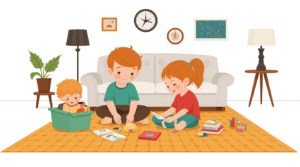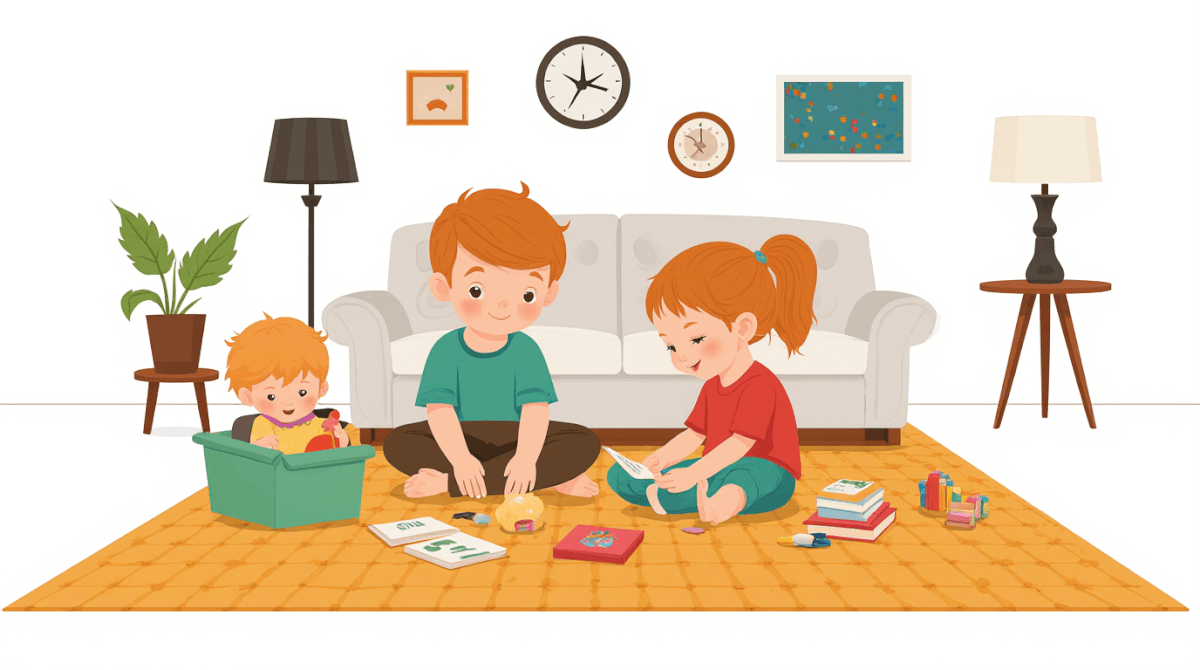
Early curiosity, a fundamental trait often observed in children, plays a pivotal role in shaping their lifelong learning journey. As children explore the world around them, their innate curiosity not only drives them to ask questions and seek answers but also lays the foundation for emotional security, confidence, identity, and self-regulation. These elements, developed through everyday family interactions, gradually transform into robust personal qualities that support a child’s academic and social growth.
In the early years, children’s curiosity often manifests as simple inquiries or a desire to touch and manipulate objects. A toddler reaching for a toy, asking “What is this?” or “Why does it make noise?”, is engaging in behavior that reflects their natural drive to understand the world. This early interaction with the environment fosters a sense of exploration and discovery, which are crucial for cognitive development. The act of asking questions, even if they seem simplistic, encourages children to think critically and seek answers, a process that contributes to the development of intellectual curiosity.
Emotional security plays a significant role in nurturing this curiosity. When parents respond positively to their child’s inquiries, perhaps by engaging in an impromptu discussion or seeking out educational materials together, they are building a secure base for their child. This interaction not only validates the child’s questions but also reinforces the idea that exploration and learning are valued and supported activities. Over time, this emotional security enables children to approach new situations with confidence, knowing that their parents will support them in their endeavors.
Confidence is another critical element shaped by early curiosity. As children begin to understand the world through their explorations, they start to realize that they have the ability to make sense of complex concepts. This realization can be as simple as a child successfully assembling a puzzle or correctly identifying an object, leading to a sense of accomplishment and pride. Repeated experiences of success in these small endeavors contribute to the development of self-efficacy. Self-efficacy is the belief in one’s ability to succeed in specific situations, which is a key component of confidence. Children who are encouraged to ask questions and explore freely develop a robust sense of self-efficacy, making them more likely to engage in challenging activities throughout their lives.
Identity formation is another essential aspect influenced by early curiosity. As children explore their environment, they begin to understand what they like, dislike, and what excites them. A child who shows an early interest in nature might spend hours examining leaves or counting birds. This interest is often the first step towards developing a personal identity centered around specific passions or interests. Over time, these early experiences contribute to a coherent sense of self, where children can confidently assert their preferences and beliefs.
Self-regulation, the ability to manage one’s own emotions and behaviors, is also shaped by early curiosity. When parents engage with their children in a way that respects their autonomy and encourages thoughtful decision-making, they are fostering self-regulation skills. If a child wants to explore a potentially hazardous area, a parent might set clear boundaries while still allowing the child to make choices about how to approach the situation safely. This balance between guidance and independence helps children learn to assess risks, make informed decisions, and manage their emotions effectively.
The development of these qualities is not without its challenges. The tension between encouraging curiosity and providing appropriate support can sometimes lead to overprotection. A parent might be overly cautious about their child’s explorations, limiting their freedom out of concern for safety. While this intention is well-meaning, it can stifle the child’s natural curiosity and limit their ability to develop self-regulation skills. Overprotection can also undermine emotional security by creating an environment where children feel they cannot make decisions or take risks without adult intervention.
An environment that supports exploration and curiosity while offering necessary guidance can create a balanced and enriching experience. Parents who model curiosity and provide resources for learning, such as books, educational toys, or visits to museums, can foster a lifelong love of learning. These interactions not only build cognitive skills but also instill a sense of wonder and excitement about the world.
The cumulative effect of these everyday family interactions is profound. Over time, the child’s initial curiosity evolves into a more structured and directed approach to learning. The emotional security, confidence, identity, and self-regulation developed through early curiosity create a strong foundation for academic and personal success. Children who have been encouraged to explore and ask questions are more likely to approach new challenges with resilience and determination. They develop a positive attitude towards learning, which can extend beyond formal education into other areas of life, such as hobbies, careers, and social interactions.
The ability to regulate emotions and behaviors effectively is crucial for maintaining mental well-being. Children who have learned to navigate challenging situations through self-regulation are better equipped to handle stress and adversity. This resilience is a key component of lifelong learning, as it allows individuals to adapt to new information and experiences throughout their lives.
The development of early curiosity plays a critical role in shaping a child’s lifelong learning journey. Through everyday family interactions, children build emotional security, confidence, identity, and self-regulation, which collectively support a positive and proactive approach to learning. While challenges such as overprotection exist, balanced and supportive environments can nurture these qualities effectively, setting the stage for a fulfilling and enriching life of curiosity and exploration.