Childhood is a period marked by profound transformations in a child’s sense of self and belonging. This psychological landscape is intricately woven through the fabric of daily family interactions. As parents and caregivers provide emotional support, set boundaries, and offer guidance, children gradually develop a secure base from which they can explore the world. The sense of belonging is not an immediate or singular experience but emerges slowly over time, shaped by repeated patterns of interaction that foster emotional security, confidence, identity, and self-regulation.
From the earliest days, infants establish a connection with caregivers through physical contact and responsive care. These interactions form the foundation for trust and attachment. When a baby cries, and a parent consistently responds promptly, the child learns to associate their needs with a reliable response. This repeated pattern of care helps in the development of secure base behaviors, where the infant can explore their environment knowing that a safe return point exists. Over time, this secure base fosters confidence, enabling the child to engage more freely and assertively in play and social interactions.
As children grow, their interactions with family members expand beyond mere physical care to include emotional and cognitive support. During mealtime conversations, parents might discuss the day’s events, express interest in a child’s interests, or offer encouragement for future endeavors. These interactions are vital in the formation of identity. By acknowledging and validating a child’s thoughts and feelings, parents help them understand their place within the family dynamic. Over time, such consistent validation builds resilience and self-esteem, contributing to the child’s sense of belonging.
Identity is not static but evolves through a series of experiences and relationships. Children begin to see themselves as unique individuals with distinct preferences, skills, and capabilities. If a child is encouraged to pursue a hobby or interest, such as painting or playing an instrument, and receives positive reinforcement from family members, this can shape their self-concept. Positive feedback and recognition reinforce the idea that they are valued for who they are, not just how well they perform in specific tasks.
In addition to identity, the development of self-regulation skills is crucial for a child’s sense of belonging. Parents play a significant role in teaching children how to manage their emotions and behaviors. During a disagreement or conflict, parents might model effective communication and problem-solving strategies. Children learn to recognize and label their feelings, express them constructively, and find ways to resolve issues peacefully. This process helps build emotional intelligence, which is essential for navigating social interactions and maintaining relationships.
The sense of belonging can be complicated by the tension between support and overprotection. While a nurturing and supportive environment is crucial, overly protective behaviors can hinder a child’s ability to develop independence and self-regulation skills. If a parent constantly rescues a child from challenging situations without allowing them to experience failure or success on their own terms, this might create dependency rather than empowerment. Children may struggle to make decisions confidently in the absence of parental support.
A balance between support and independence is vital for psychological well-being. When parents provide guidance while also encouraging autonomy, children learn to navigate the world with a sense of self-efficacy. Allowing a child to make choices about their after-school activities or helping them set goals and work towards achieving them can foster a sense of agency and competence. Such experiences contribute to a growing sense of belonging as children see themselves as capable and valued members of the family.
The emotional security that develops through these interactions is also reinforced by cultural and social contexts. Family traditions, rituals, and celebrations provide a sense of continuity and belonging within broader societal frameworks. Participating in religious or cultural practices with family members can instill a strong sense of identity and connection to shared values and heritage. These experiences help children understand their place in the world and feel a deeper sense of rootedness.
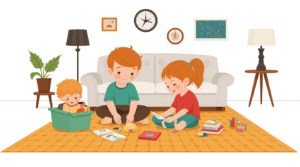
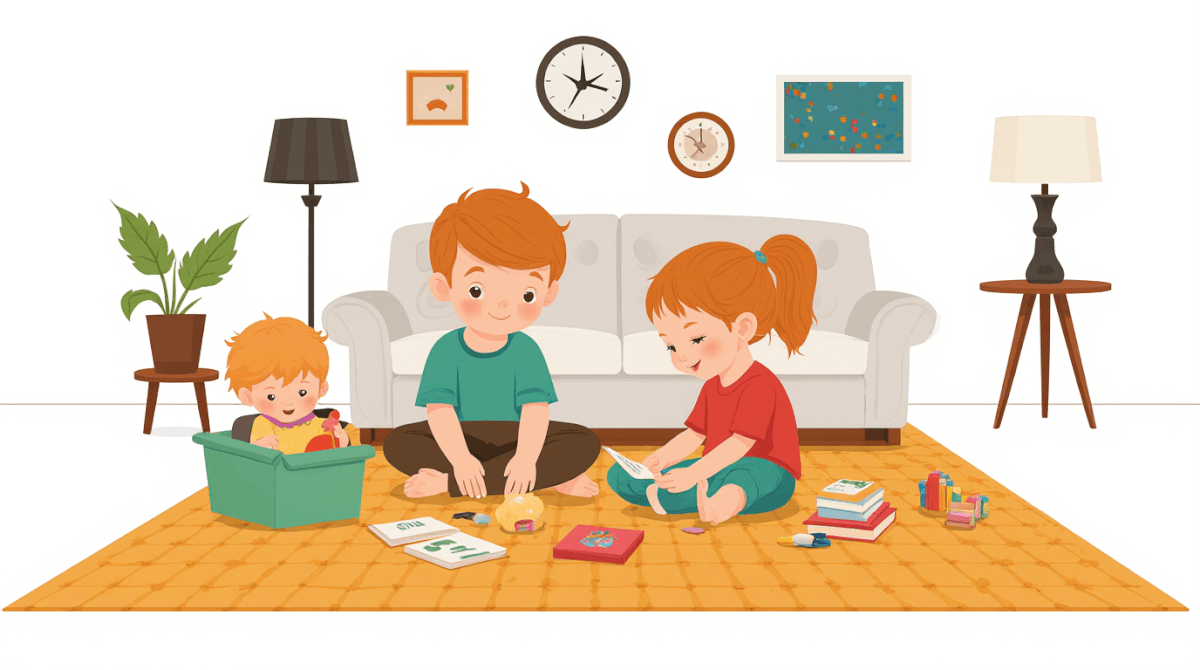
The dynamics between siblings play a crucial role in shaping a child’s sense of belonging. Sibling relationships are complex, involving both competition and cooperation. While conflict can arise from power struggles or differing interests, these interactions also offer opportunities for negotiation, compromise, and mutual support. When siblings engage in collaborative activities like building a fort or solving puzzles together, they develop teamwork skills and learn to resolve conflicts amicably. Such experiences contribute to a sense of shared belonging and a deeper understanding of familial relationships.
As children grow older, their social circle expands beyond the family to include friends and peers. The transition from family-based interactions to peer-based relationships can be challenging but is essential for the development of a broader sense of identity and belonging. Friends provide alternative perspectives and experiences, helping children navigate social norms and develop a more nuanced understanding of themselves. This transition requires ongoing support from caregivers who can guide children in making healthy friendships and resolving social conflicts.
In summary, the sense of belonging in childhood is a multifaceted construct that emerges through a complex interplay of emotional security, identity formation, self-regulation, and social dynamics. The psychological mechanisms underlying these processes are rooted in everyday family interactions that gradually shape a child’s perception of themselves and their place in the world. While challenges such as the tension between support and independence can arise, the cumulative effect of consistent and nurturing interactions fosters a strong sense of belonging that serves as a foundation for future relationships and personal growth. As children navigate these early stages of development, they lay down the groundwork for a secure and fulfilling life, one interaction at a time.
Related Reading
– Daniel Kahneman — Thinking, Fast and Slow (developmental implications)
– Allan Schore — Affect Regulation and the Origin of the Self