From the earliest days of childhood, interactions within the family setting lay the groundwork for the emotional and social skills that will be carried into adulthood. The way conflicts are handled, managed, and resolved in these early years can profoundly impact the development of a child’s ability to form secure relationships as an adult. These formative experiences often involve subtle nuances of support, guidance, and the balance between autonomy and dependency.
A pivotal aspect of this process is the role of emotional security. Children need to feel safe enough to express their emotions, including frustration or anger, without fear of retribution or abandonment. When parents consistently respond with empathy and understanding, children learn that their feelings are valid and that they can navigate conflict without significant harm. This emotional safety provides a secure base from which the child can explore the world, take risks, and form meaningful connections.
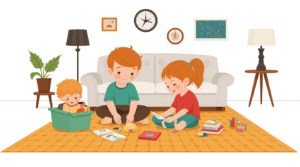
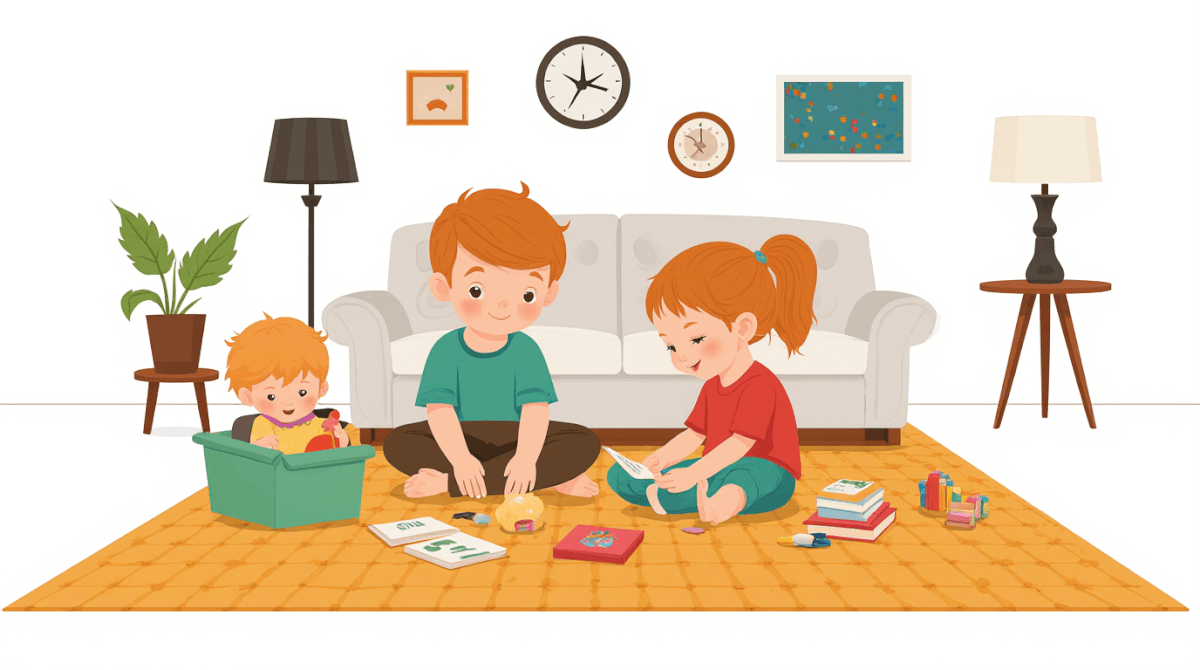
Consider a scenario where a young child is struggling to share a toy with a sibling. If a parent listens to both sides with patience and then gently guides the children towards a compromise, perhaps by suggesting they take turns or find a way for both to play with it together, the child learns that conflict can be resolved without losing friends or feeling like a failure. Over time, this repeated experience fosters a sense of trust in the world and oneself, which is crucial for building secure attachments later in life.
If the conflict is met with harsh criticism or disapproval, the child may internalize a belief that their emotions are wrong or that expressing them will lead to punishment. This can result in a child who struggles with emotional regulation, leading to avoidance of conflict rather than confrontation and resolution. Such patterns can manifest in adulthood as difficulty in managing interpersonal disputes, potentially leading to strained relationships or chronic conflict.
Self-regulation is another critical skill shaped by early conflict experiences. When children are taught to manage their emotions and behaviors through positive guidance, they develop the ability to self-soothe and find constructive ways to address conflicts. A parent might teach a child how to use deep breathing or a calm-down corner when feeling upset. This practice not only helps the child navigate immediate conflicts but also builds resilience against future challenges.
If children are not given tools to manage their emotions, they may develop maladaptive coping mechanisms such as aggression or withdrawal. These behaviors can persist into adulthood, leading to relationships characterized by either explosive outbursts or emotional distance. In both cases, the lack of effective self-regulation can hinder the ability to maintain healthy, balanced interactions.
Identity formation is another area significantly influenced by how conflicts are handled in early years. Children who grow up in environments where their opinions and feelings are respected and validated develop a strong sense of self-worth and self-confidence. They learn to assert themselves appropriately and recognize their value as individuals. This internalization is critical for forming adult relationships based on mutual respect and equality.
Children who experience constant criticism or dismissiveness may develop an insecure identity, leading to feelings of inadequacy or a fear of expressing their true selves in relationships. They might become overly accommodating or struggle to assert their boundaries, which can result in unsatisfying and often unfulfilling adult relationships.
The balance between support and independence is also a crucial element in shaping how children handle conflict. A parent who is overly protective might shield the child from all forms of conflict, preventing them from learning essential life skills. A parent who is too permissive might fail to provide the necessary guidance, leaving the child unprepared for the challenges of adulthood.
If a parent always intervenes in every minor disagreement, the child may never learn how to negotiate or resolve conflicts on their own. This overprotection can lead to a sense of dependency that can manifest as an inability to make decisions or take responsibility in adult relationships. If a parent is too hands-off, the child might develop a sense of invincibility, leading to risky behavior and a lack of consideration for others’ feelings.
The consequences of these patterns extend far beyond childhood. The way children learn to handle conflict during their formative years significantly influences their adult relationships. Those who have experienced a balance of support and autonomy are more likely to approach conflicts with confidence and empathy, fostering healthier, more fulfilling connections. They are better equipped to navigate the complexities of adult interactions, including setting boundaries, resolving disputes, and maintaining mutual respect.
Those who have grown up with an overprotective or permissive parenting style may find themselves struggling in relationships where they either retreat into avoidance or engage in behavior that is harmful to their partners. This dynamic can create a cycle of unmet needs and unresolved conflicts, leading to dissatisfaction and potential relationship breakdowns.
The quality of early conflict resolution experiences can influence how individuals interpret their own worthiness within relationships. Children who learn that their emotions are valid and that conflict is a natural part of growth tend to view themselves as worthy of love and respect. This positive self-image translates into healthier adult relationships where they can confidently express their needs and desires without fear of rejection.
Those who internalize messages of inadequacy or worthlessness may struggle with low self-esteem, leading them to enter relationships with an unconscious need for validation or a fear of conflict. These dynamics can create a pattern of codependency or manipulation, where one partner constantly seeks approval or avoids confrontation at the expense of mutual growth.
The emotional and social skills developed during these early years are not static; they continue to evolve throughout life. The foundation is laid in childhood. Adults who have experienced healthy conflict resolution tend to approach their relationships with a sense of security and confidence. They are more likely to communicate openly, handle disagreements maturely, and maintain long-term satisfaction.
In summary, the way children learn to resolve conflicts in their early years profoundly shapes their adult relationships. Through consistent, empathetic guidance, parents can foster emotional security, self-regulation, and identity development that will serve their children well into adulthood. While each family dynamic is unique, the overarching principles remain: the nurturing of a child’s ability to manage conflict with grace and maturity lays the groundwork for fulfilling, long-lasting adult relationships.