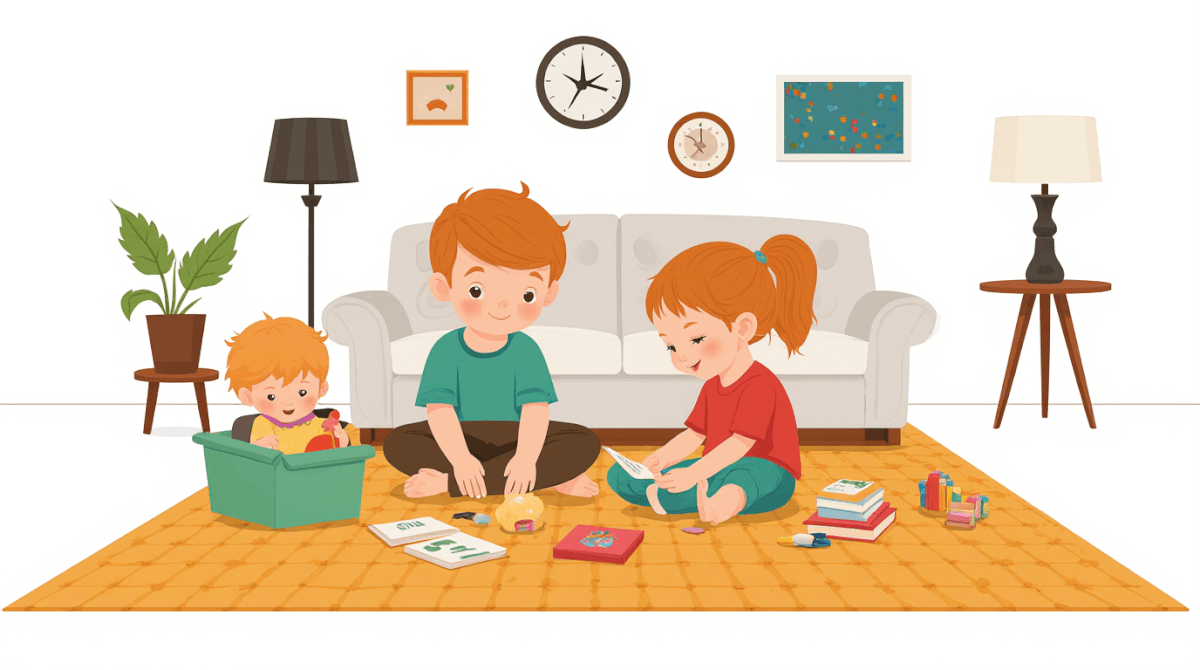
From the earliest days of a child’s life, experiences are carved into the fabric of their being, often through subtle and unremarkable interactions within their family environment. These early interactions can shape a child’s understanding of the world, influencing how they navigate risks and challenges as adults. The development of caution, a protective mechanism that serves to preserve safety, begins with a child’s emotional security and is deeply rooted in their daily experiences.
From the moment a baby gazes into their caregiver’s face, emotions are exchanged, reinforcing the child’s sense of safety and stability. When a mother soothes a child’s cry or a father reassures them after a fall, the child learns to associate these actions with comfort and protection. Over time, this positive reinforcement builds a foundation of trust that can be both a strength and a limitation. Trust allows a child to explore their surroundings confidently but also creates a vulnerability to over-reliance on others for emotional and physical safety.
Consider a common scenario: a toddler learning to walk. The caregiver’s presence and encouragement provide reassurance, allowing the child to take steps forward with a cautious yet hopeful demeanor. This balance between support and independence is crucial. Too much support can lead to overprotection, where the child feels constantly needing external validation to face minor challenges. Too little support can foster an environment of self-reliance that may lack the necessary emotional safety net.
As a child grows, their fears are shaped not only by direct experiences but also by the family’s response to those fears. If a child expresses fear of the dark, the caregiver might engage in soothing rituals such as reading stories or singing lullabies. These comforting actions can help the child manage their anxiety and develop a sense of security that darkness is not inherently dangerous. Overly dramatic responses might instead amplify the child’s fear, teaching them to view the unknown with heightened caution.
The accumulation of these experiences over time contributes to the development of an internalized sense of safety. This internalized sense acts as a psychological buffer, allowing the child to approach new situations with a balance of curiosity and caution. It shapes their ability to recognize danger and respond appropriately without being overwhelmed by anxiety.
A pattern of excessive caution can develop if a child consistently encounters overprotective responses from caregivers. If a child often avoids going outside because their parents constantly warn about potential dangers, they may internalize this heightened sense of risk. This internalized fear can manifest as a persistent wariness in adults, affecting decision-making and risk-taking behaviors.
One psychological mechanism that underpins this development is conditioning. A child’s repeated exposure to fearful stimuli, such as heights or strangers, paired with reassuring or protective responses from caregivers, can lead to the formation of conditioned fears. This process is not just about the presence or absence of fear but also about how it is managed and addressed. Over time, these conditioned fears can become deeply ingrained, influencing adult behavior in both positive and negative ways.
A child who frequently experiences support from caregivers when facing minor challenges might develop a more resilient and adaptive approach to adulthood. They are more likely to seek out and integrate feedback and guidance from others while maintaining the ability to navigate independently. A child who consistently faces overprotection might develop a tendency to avoid risks altogether, limiting their opportunities for growth and development.
The interplay between support and overprotection is particularly nuanced. While a balanced approach fosters emotional security and confidence, excessive protection can hinder a child’s ability to develop the self-regulation skills necessary for managing fear effectively in adulthood. This balance is often shaped by cultural and familial norms, which can vary widely. In some families, open communication about fears and challenges might be encouraged, promoting a healthy sense of caution without inhibiting exploration. In others, a more rigid approach to safety might be taken, potentially fostering an overly cautious adult.
The child’s individual temperament plays a significant role in shaping their early experiences and subsequent development. A child who is naturally anxious or shy might respond differently to similar family interactions compared to a more outgoing peer. This individual variability means that the same family environment can have different impacts on different children, highlighting the complexity of how early fears are shaped.
As children grow, their internalized sense of safety influences their decision-making processes and risk assessments. A child who has experienced repeated support from caregivers might approach new challenges with a balanced mix of caution and curiosity, understanding that while some risks are necessary for growth, others can be avoided or managed. A child who has faced excessive overprotection might develop a more rigid and cautious approach to all situations, often erring on the side of extreme caution even when there is no real danger.
The impact of early fears on adult caution extends beyond personal development into social and professional realms. An overly cautious individual might avoid taking risks in their career or personal life, potentially limiting their opportunities for success and fulfillment. This caution can manifest as a constant state of vigilance, always on guard against perceived threats, which can be exhausting and restrictive.
An adult who has developed a healthy balance of caution and confidence is more likely to take measured risks, innovate, and pursue new opportunities. They are better equipped to manage their emotions and respond to challenges with resilience. This balance allows for a dynamic interplay between exploration and safety, fostering personal growth and adaptability.
The long-term effects of early fear on adult caution are not limited to individual development but also influence interpersonal relationships. An overly cautious person might struggle with forming close bonds, fearing vulnerability and potential rejection. A balanced approach fosters open communication and mutual support, strengthening relationships through shared challenges and successes.
The early experiences of fear and their management by caregivers profoundly shape adult caution. These formative interactions set the stage for how adults navigate the world, balancing safety with the courage to explore and grow. While the mechanisms of conditioning and internalized emotional security are complex, understanding these dynamics can offer insights into promoting healthy development and resilience in both children and adults.
Related Reading
– Angela Duckworth — Grit
– Alison Gopnik — The Philosophical Baby